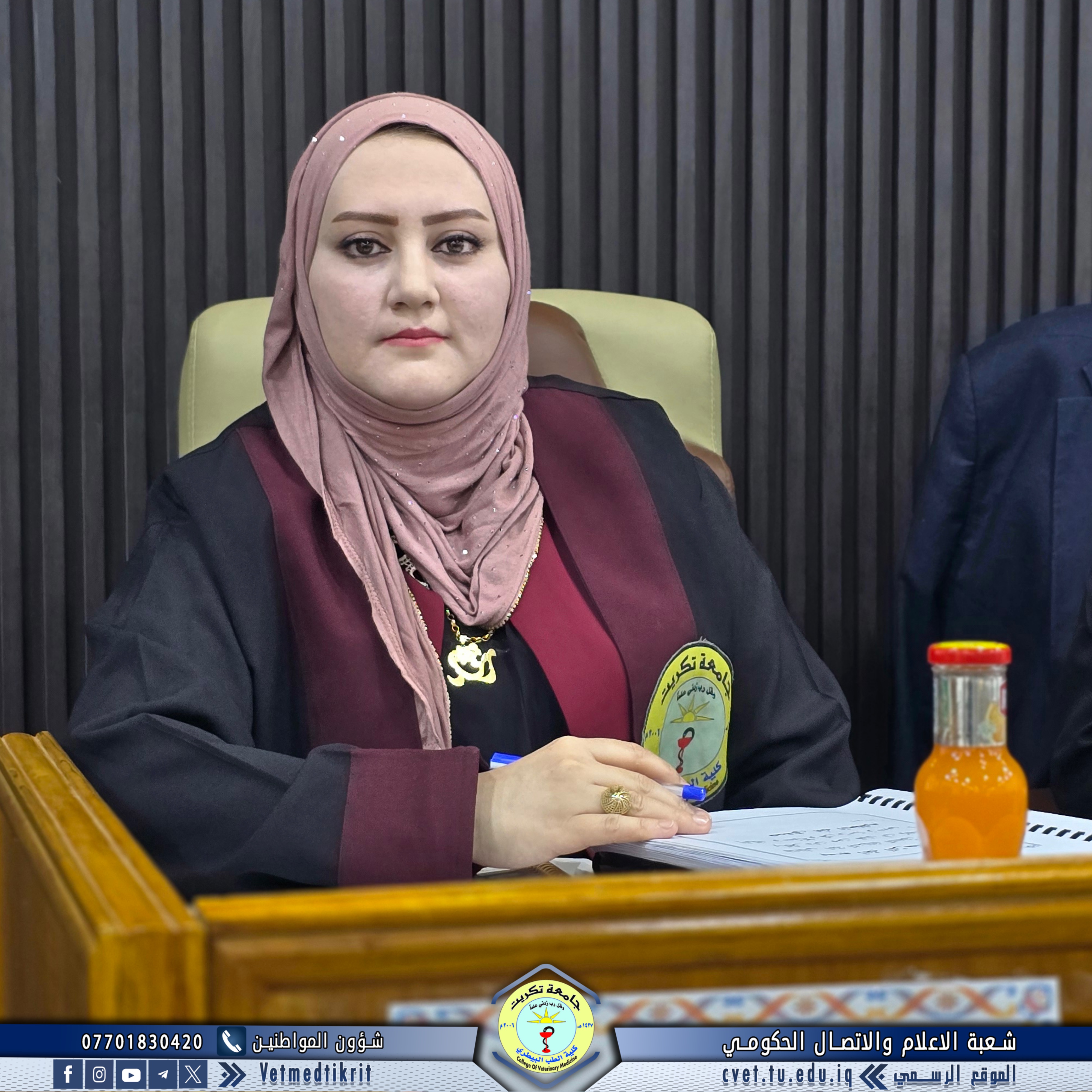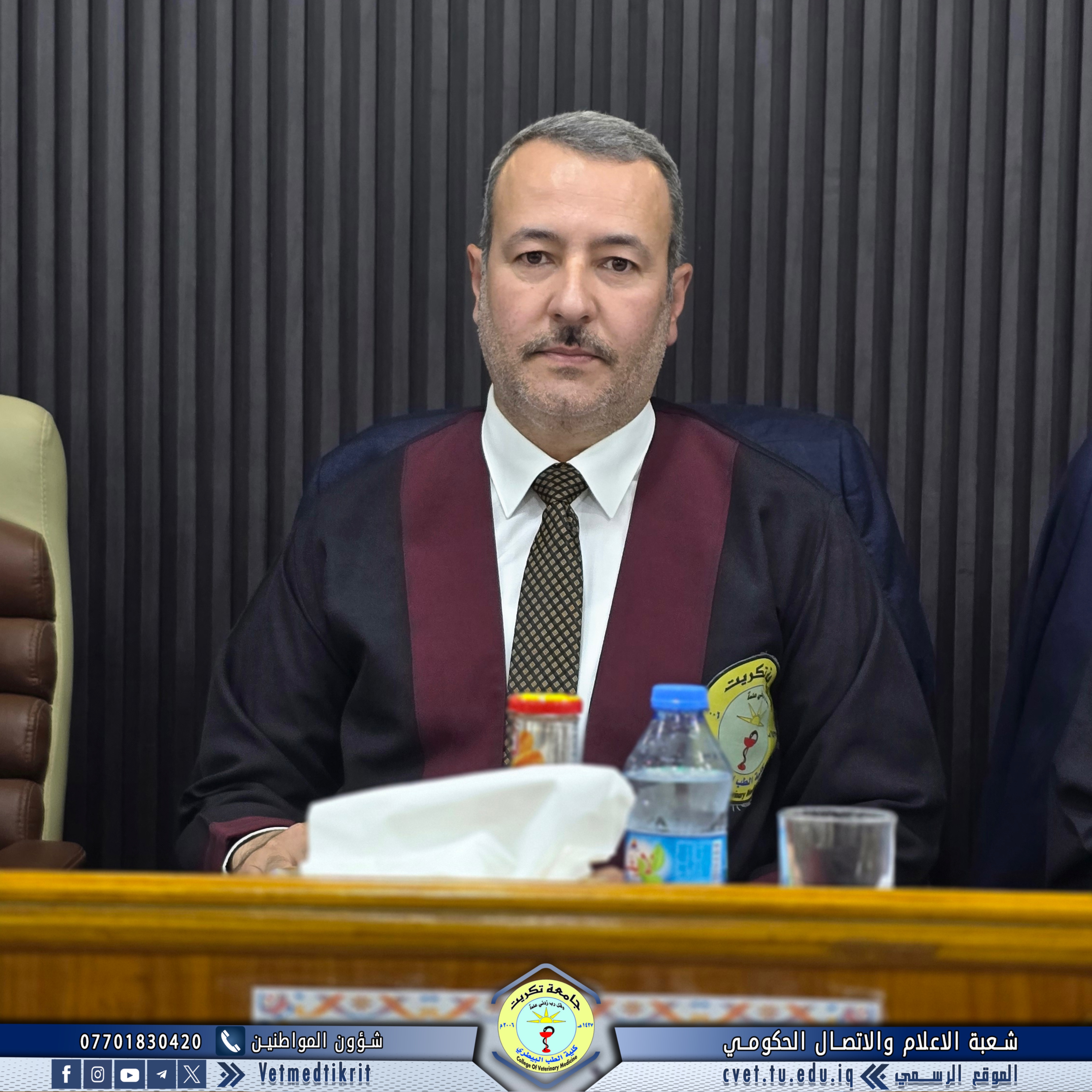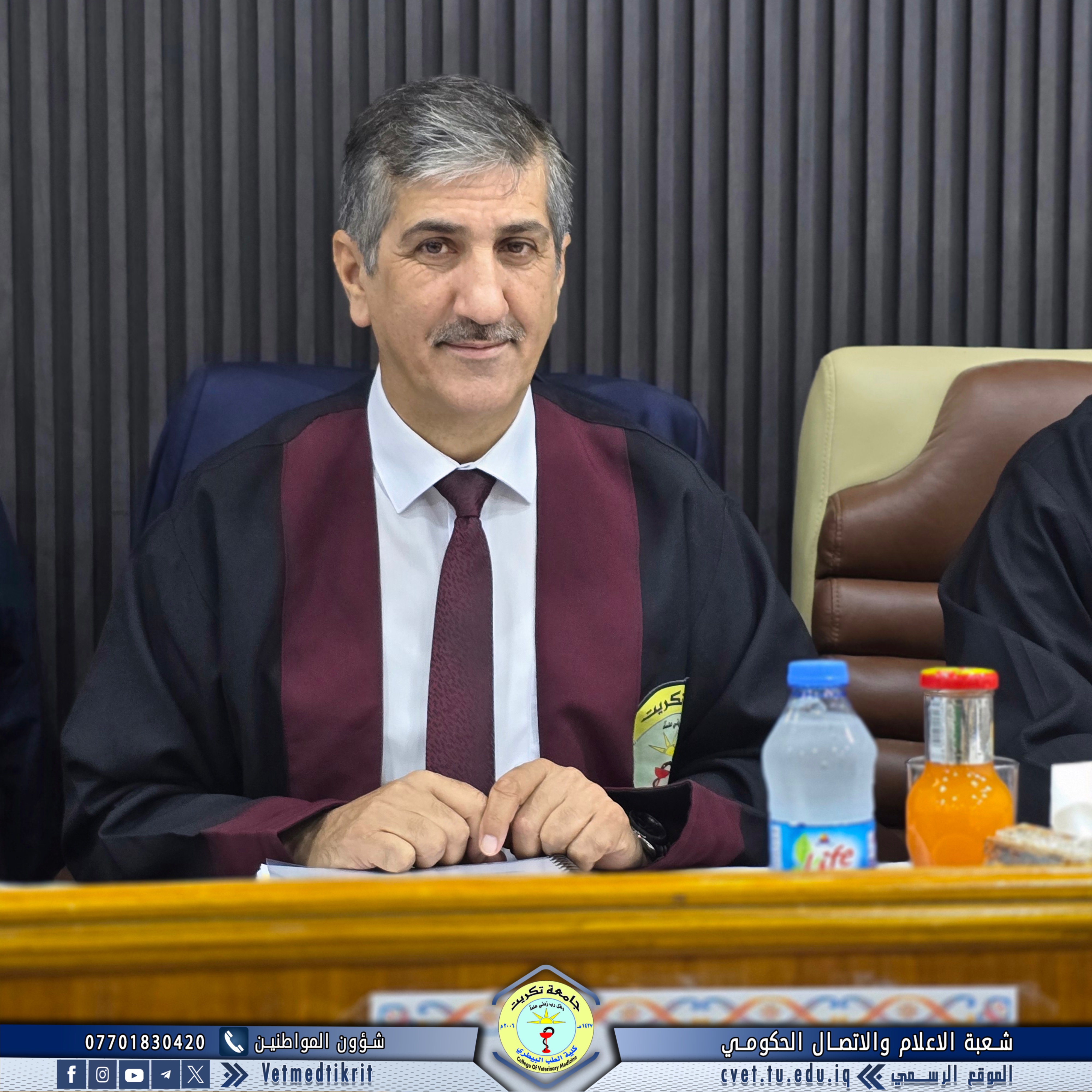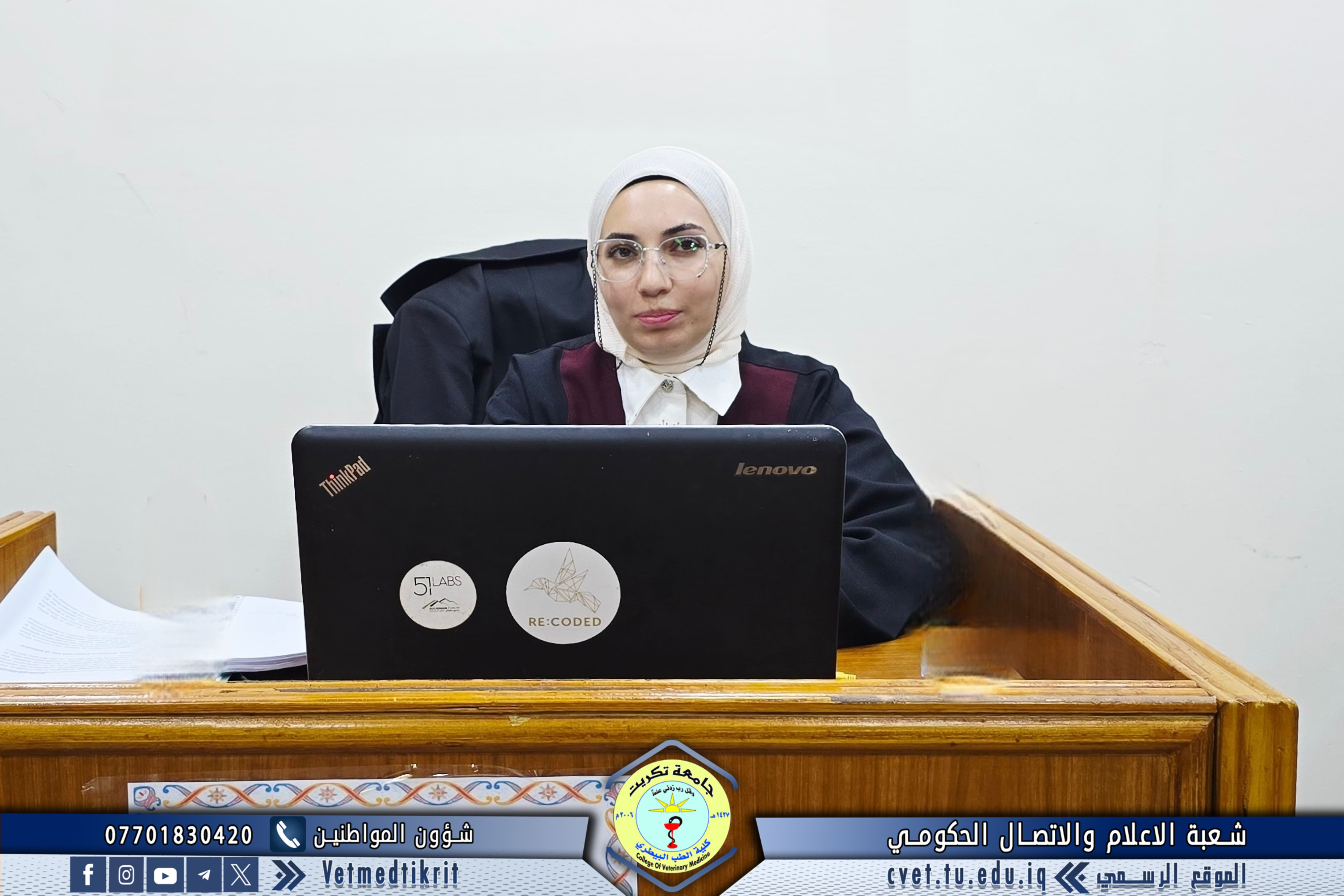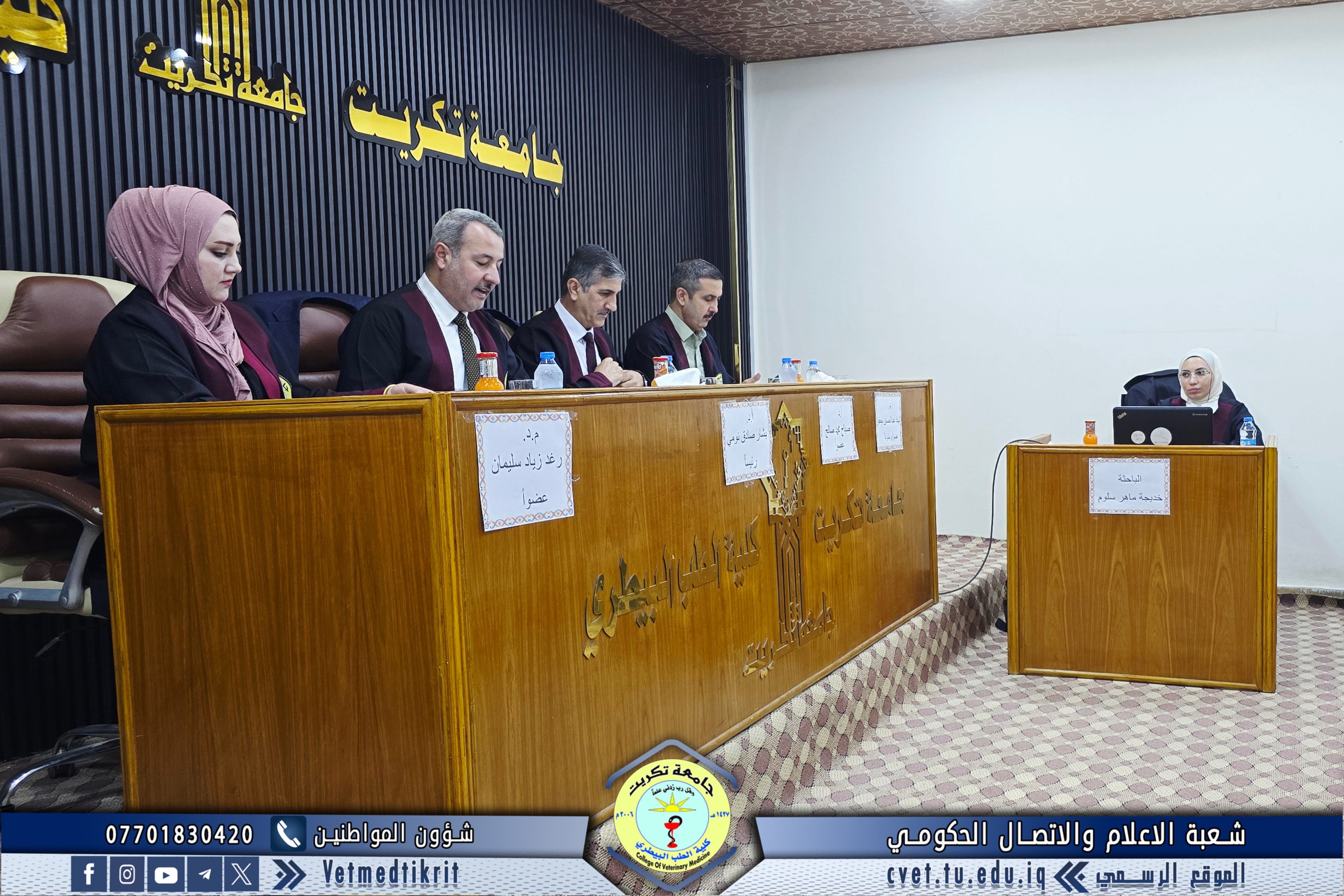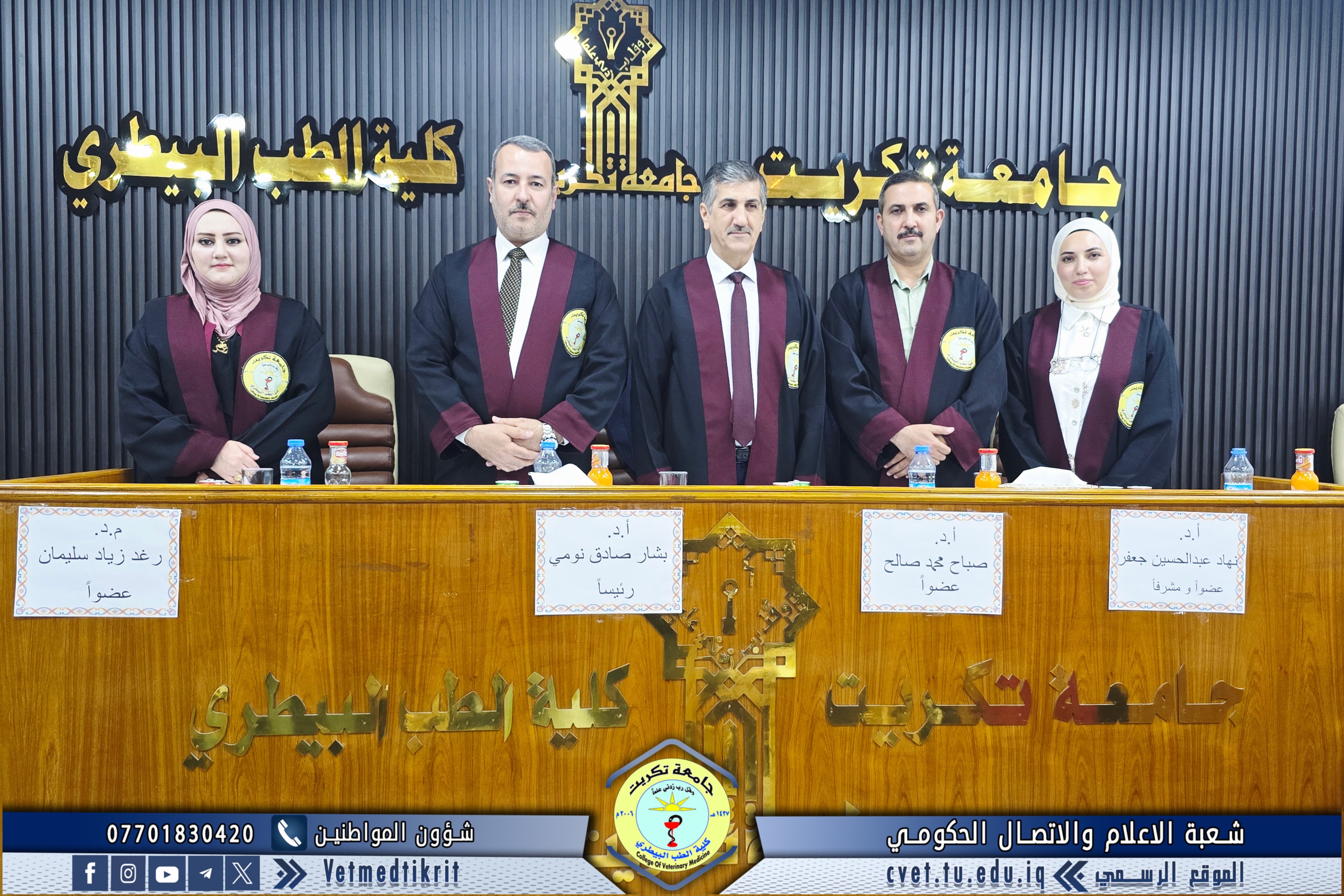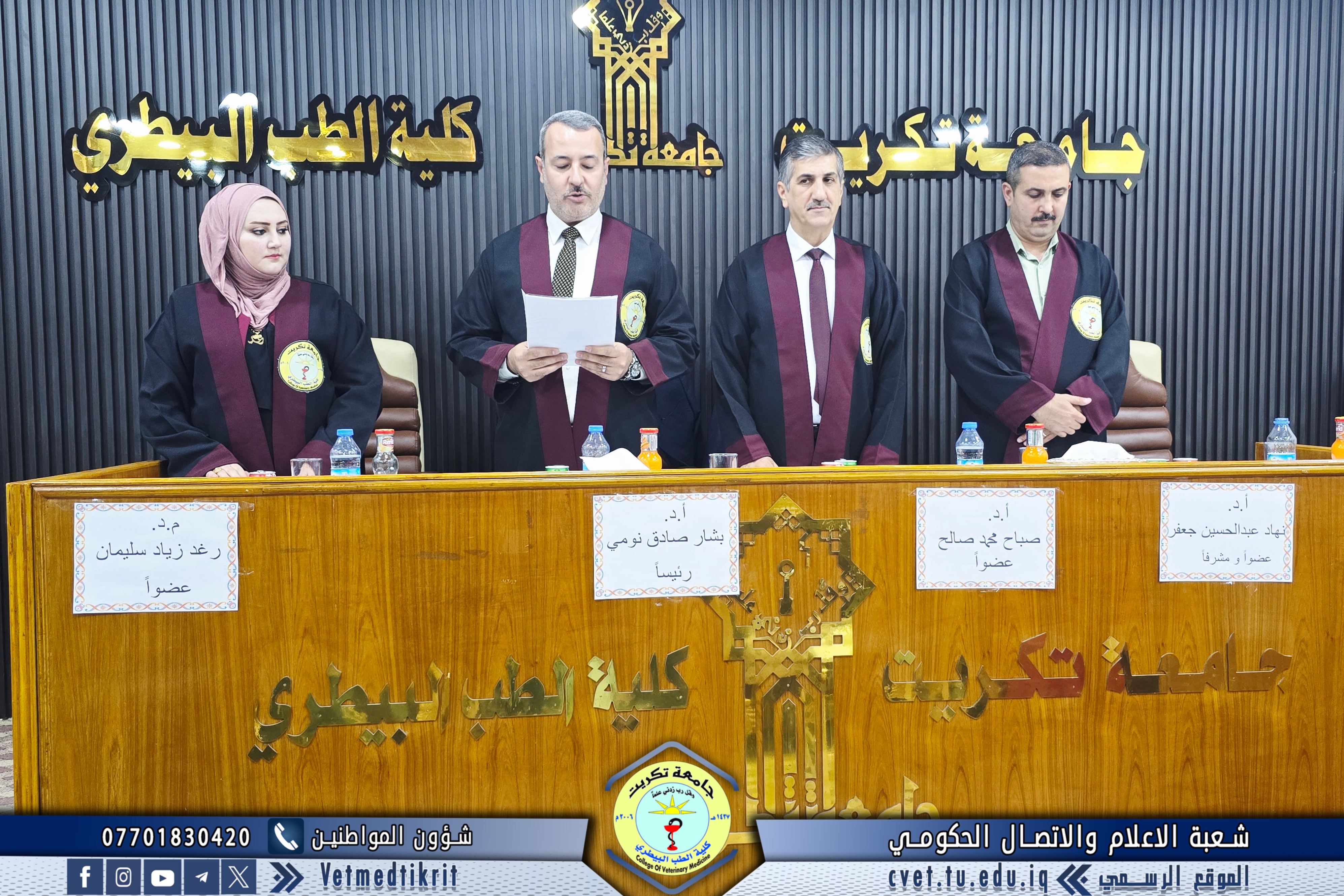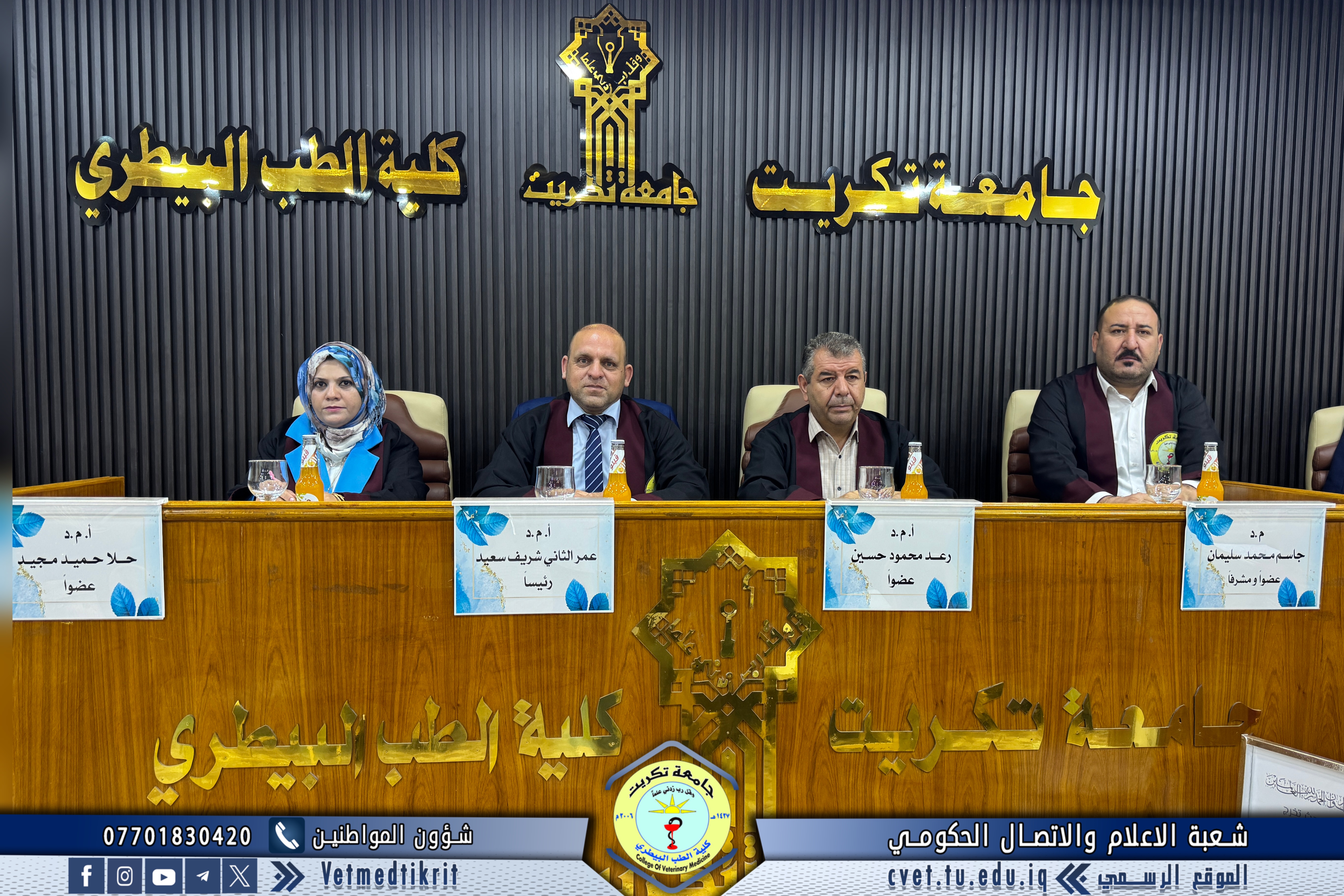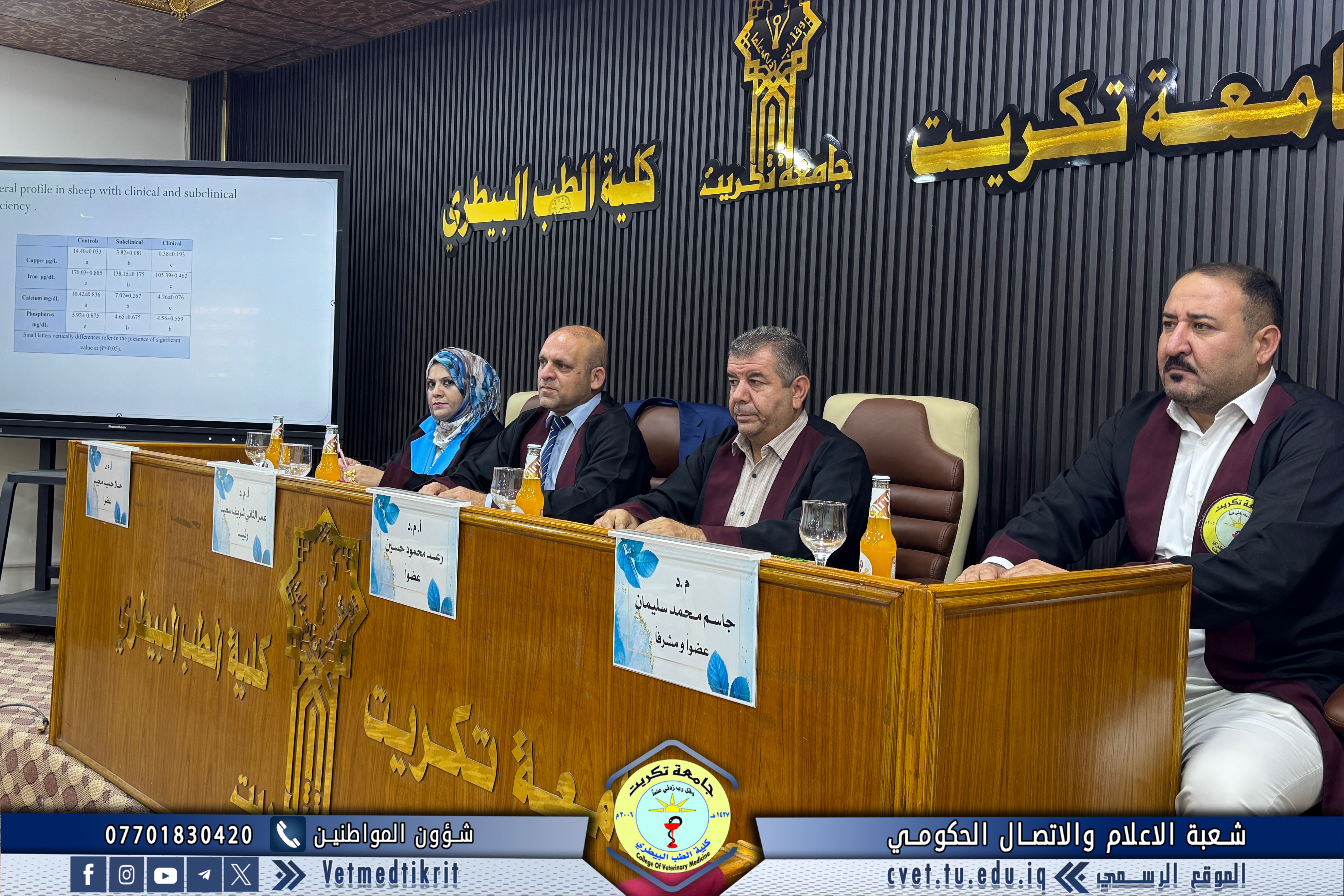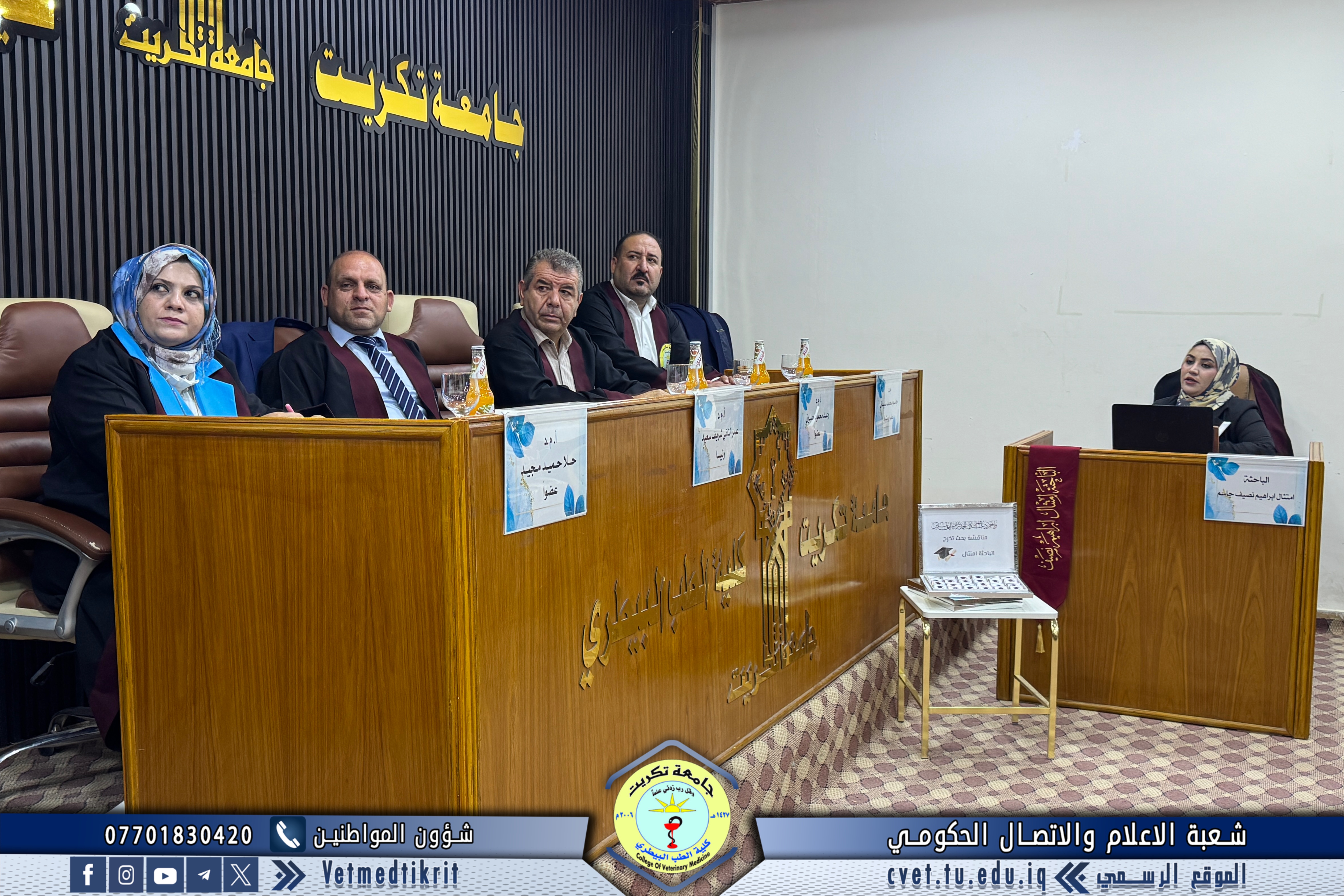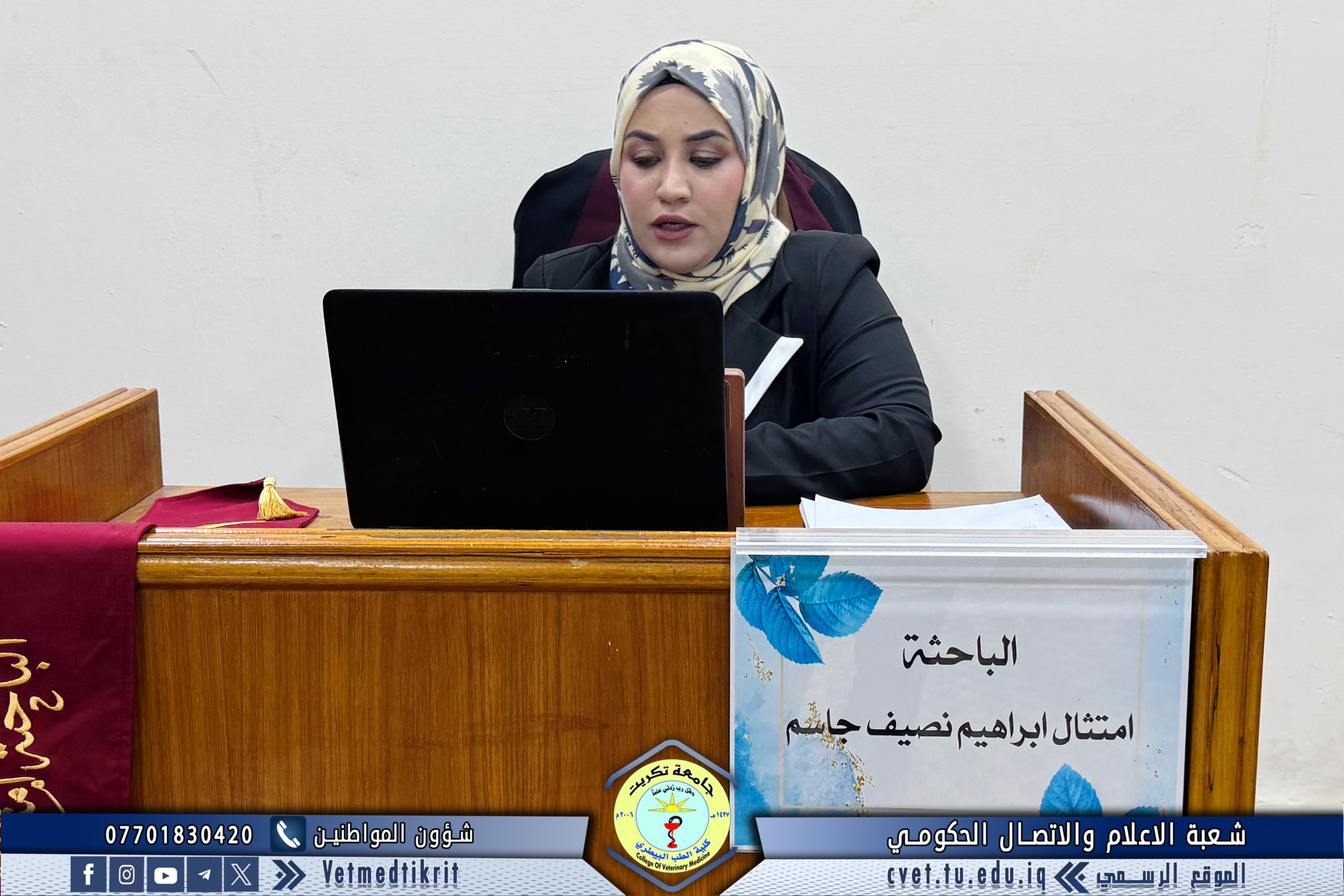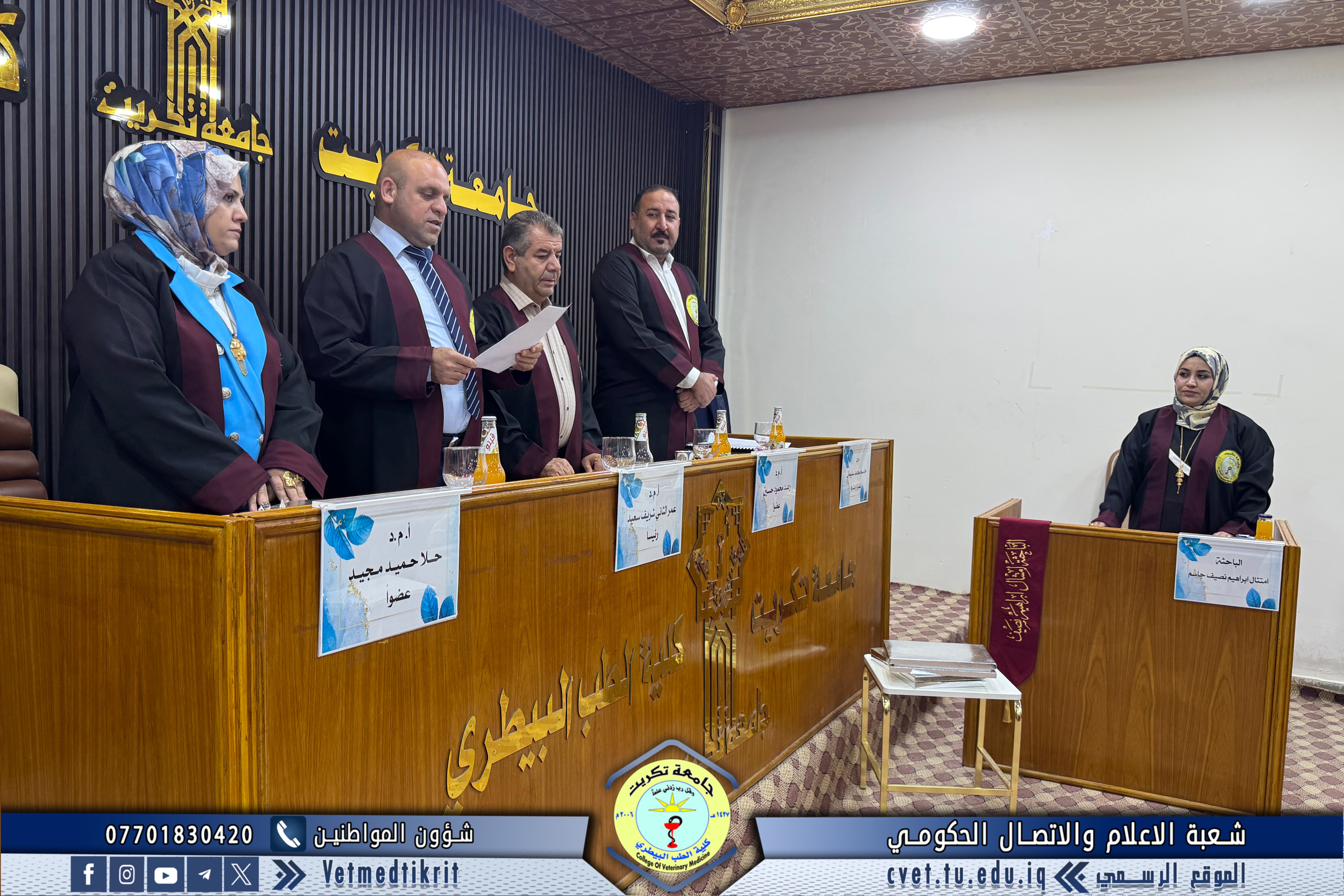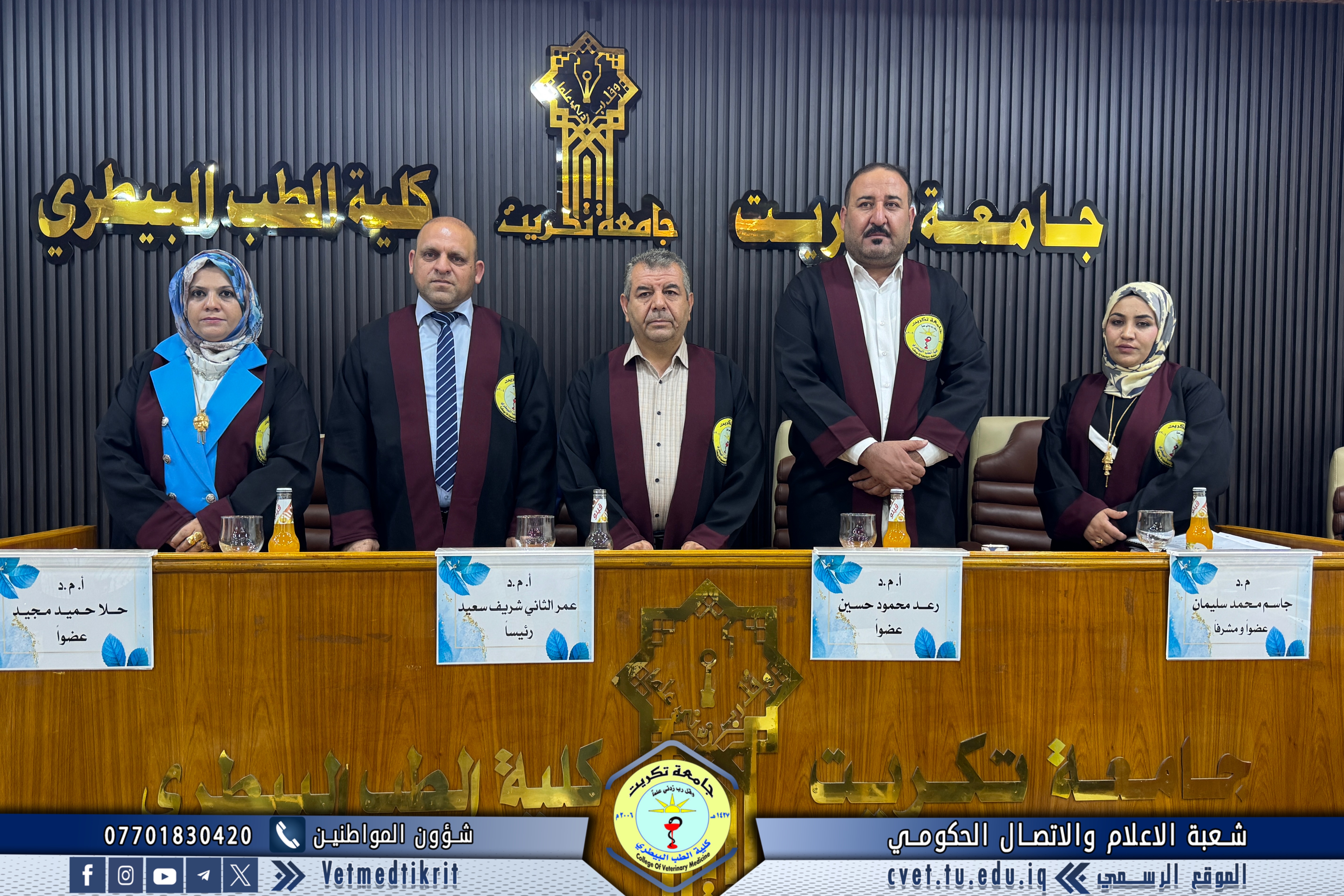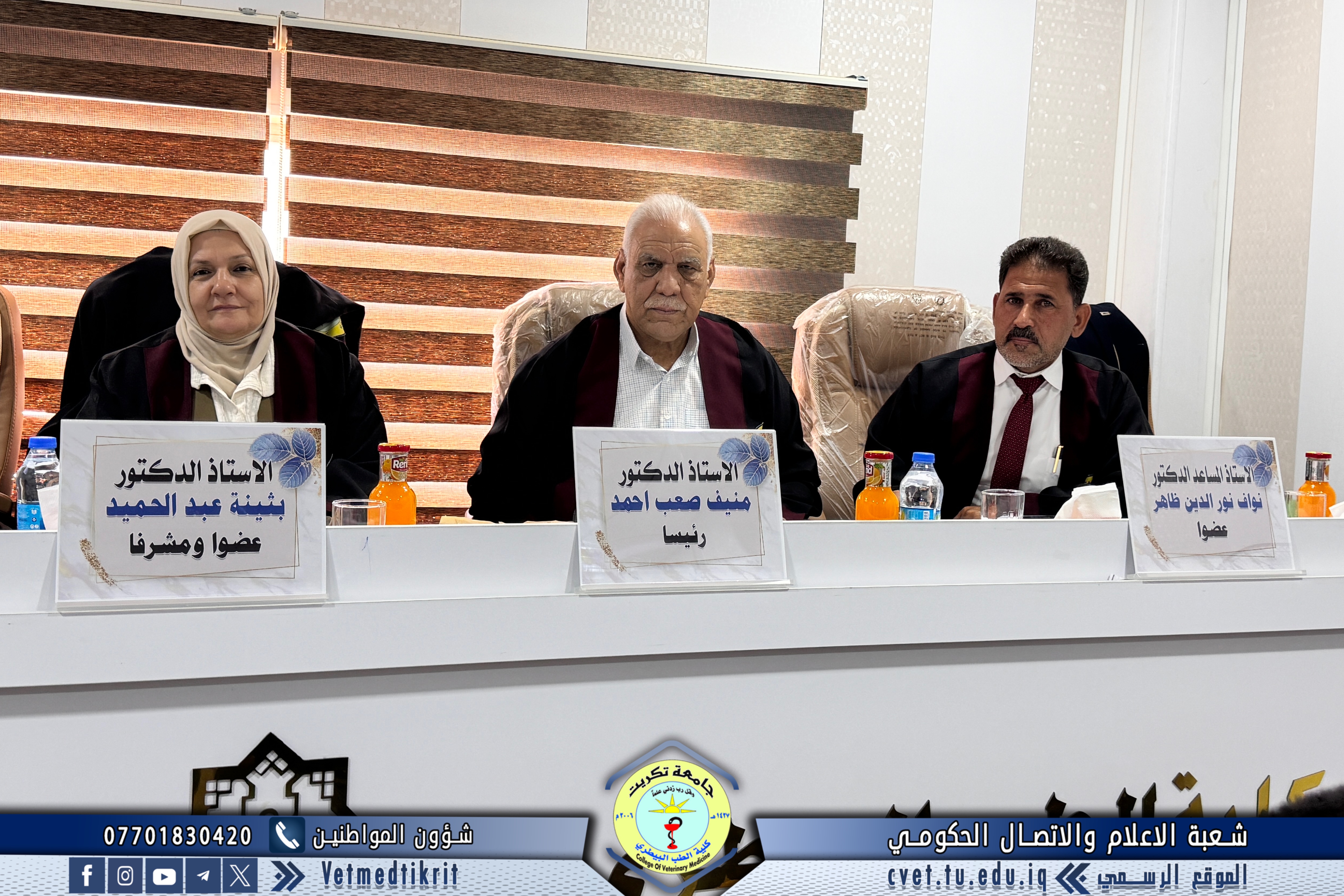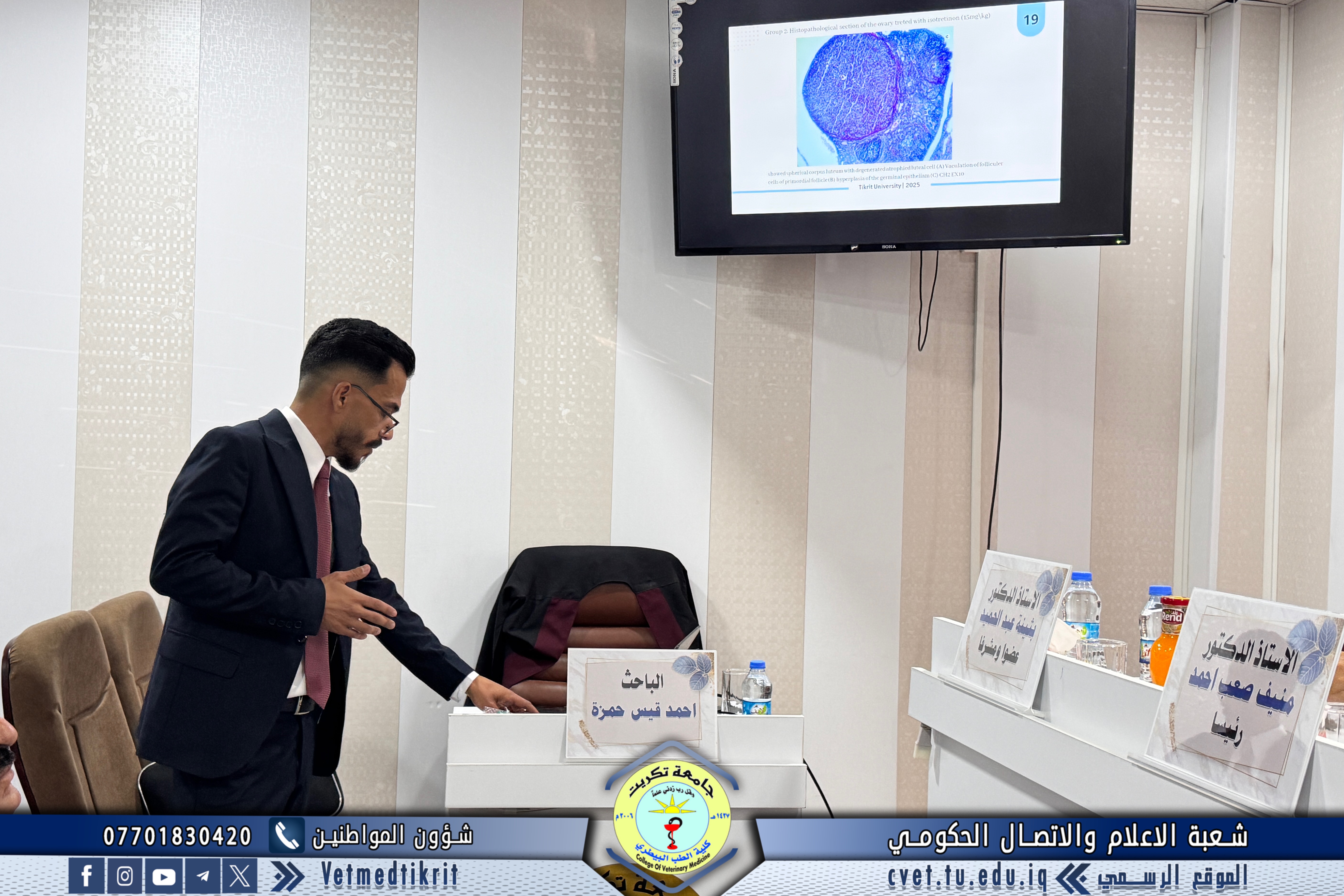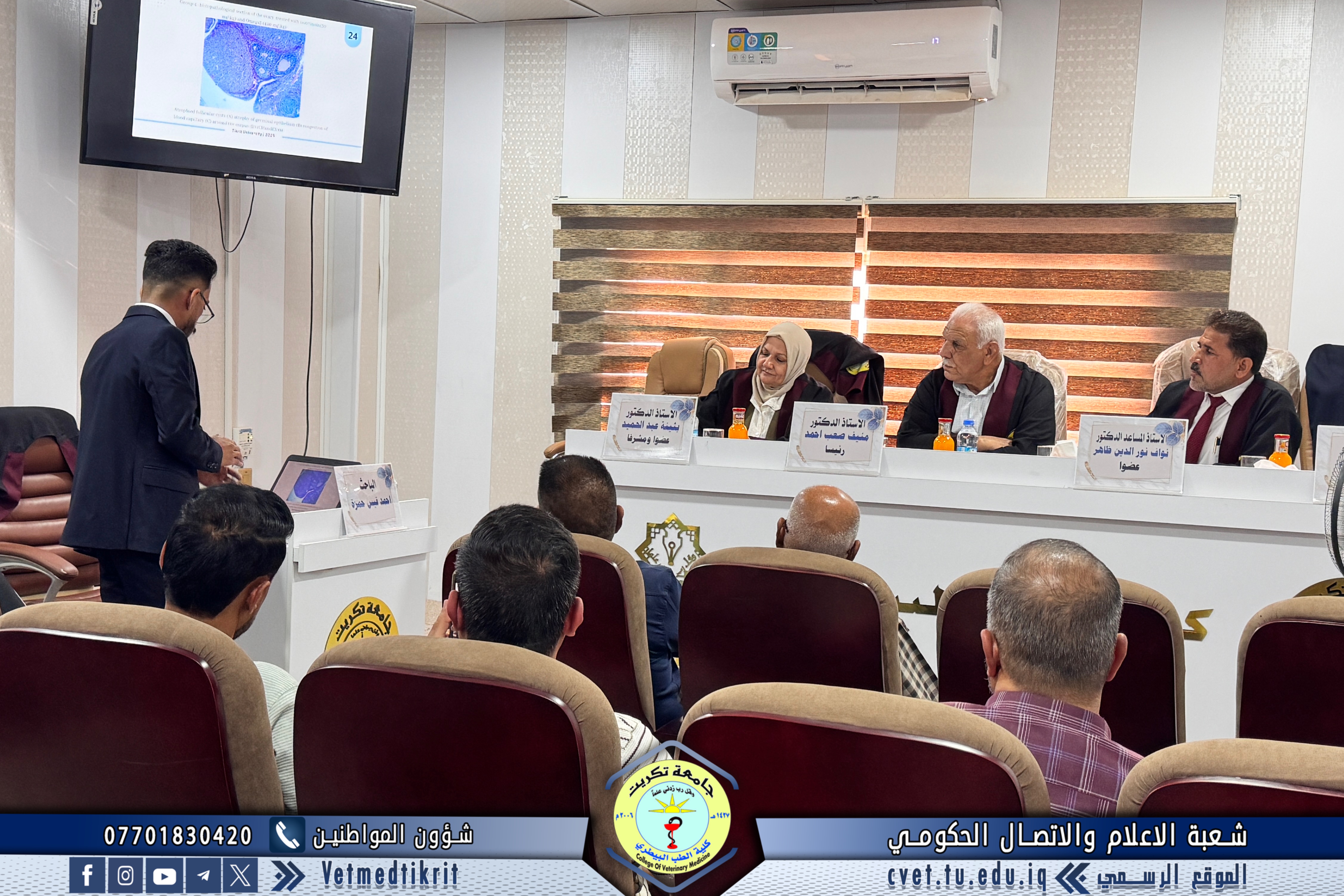
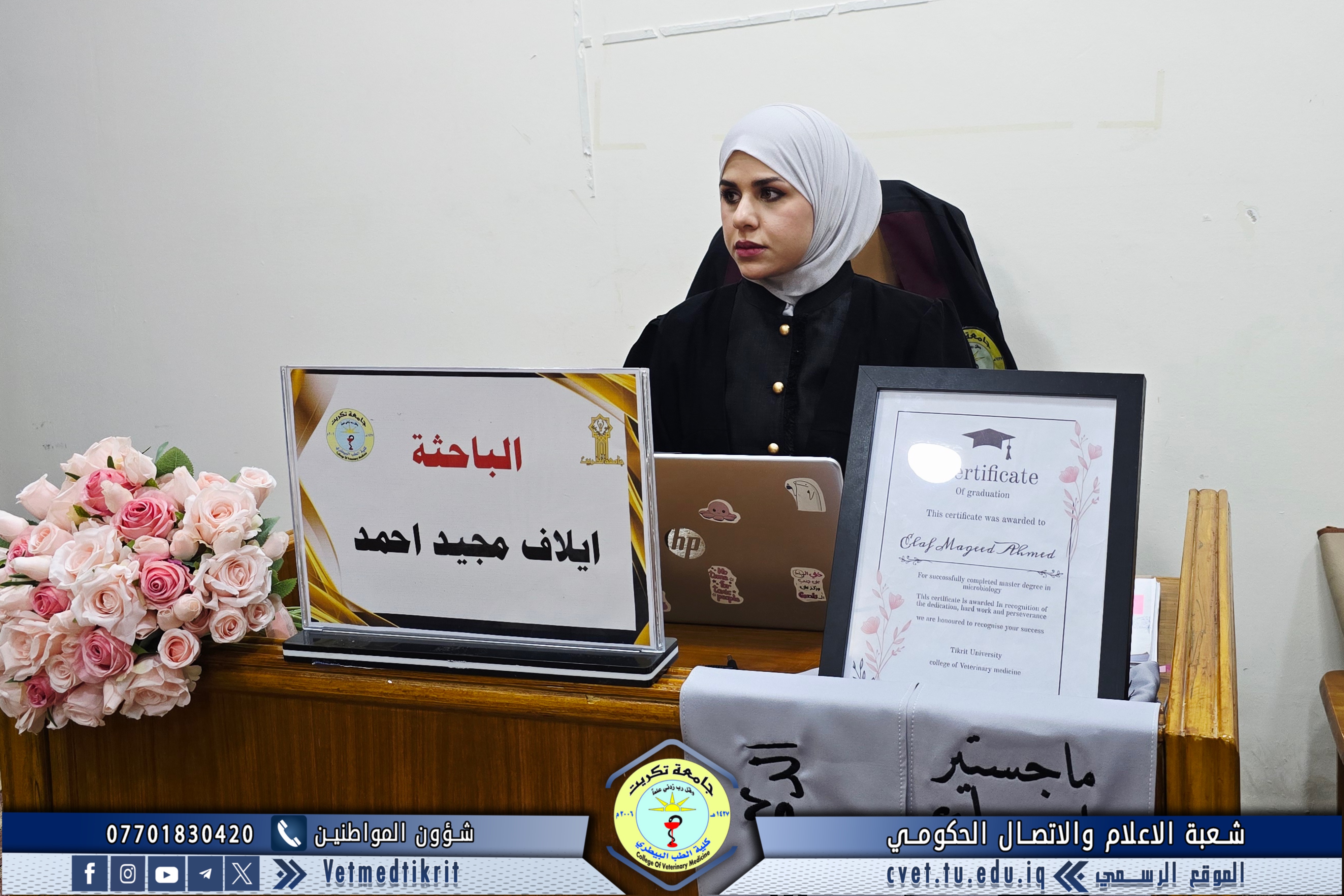
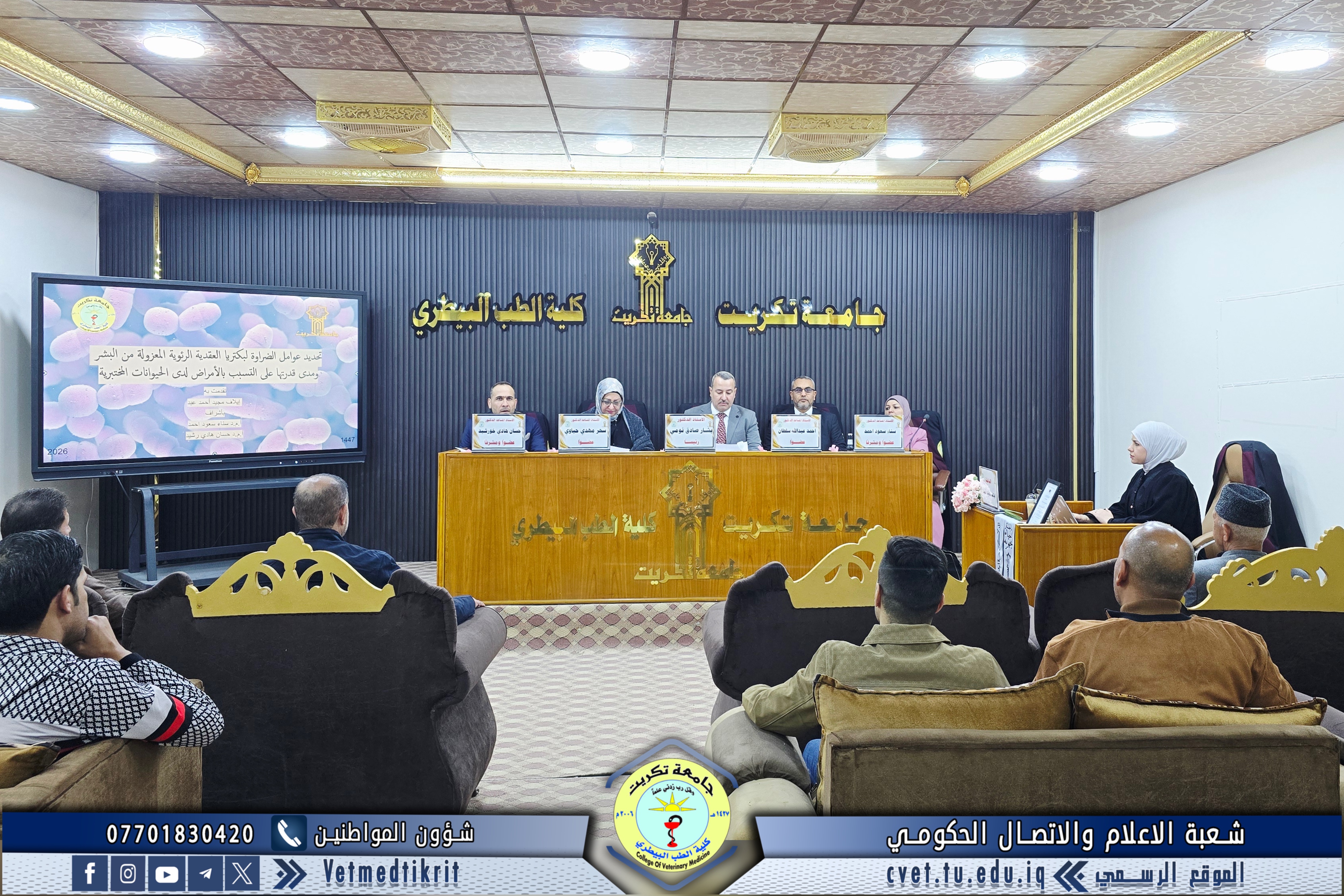
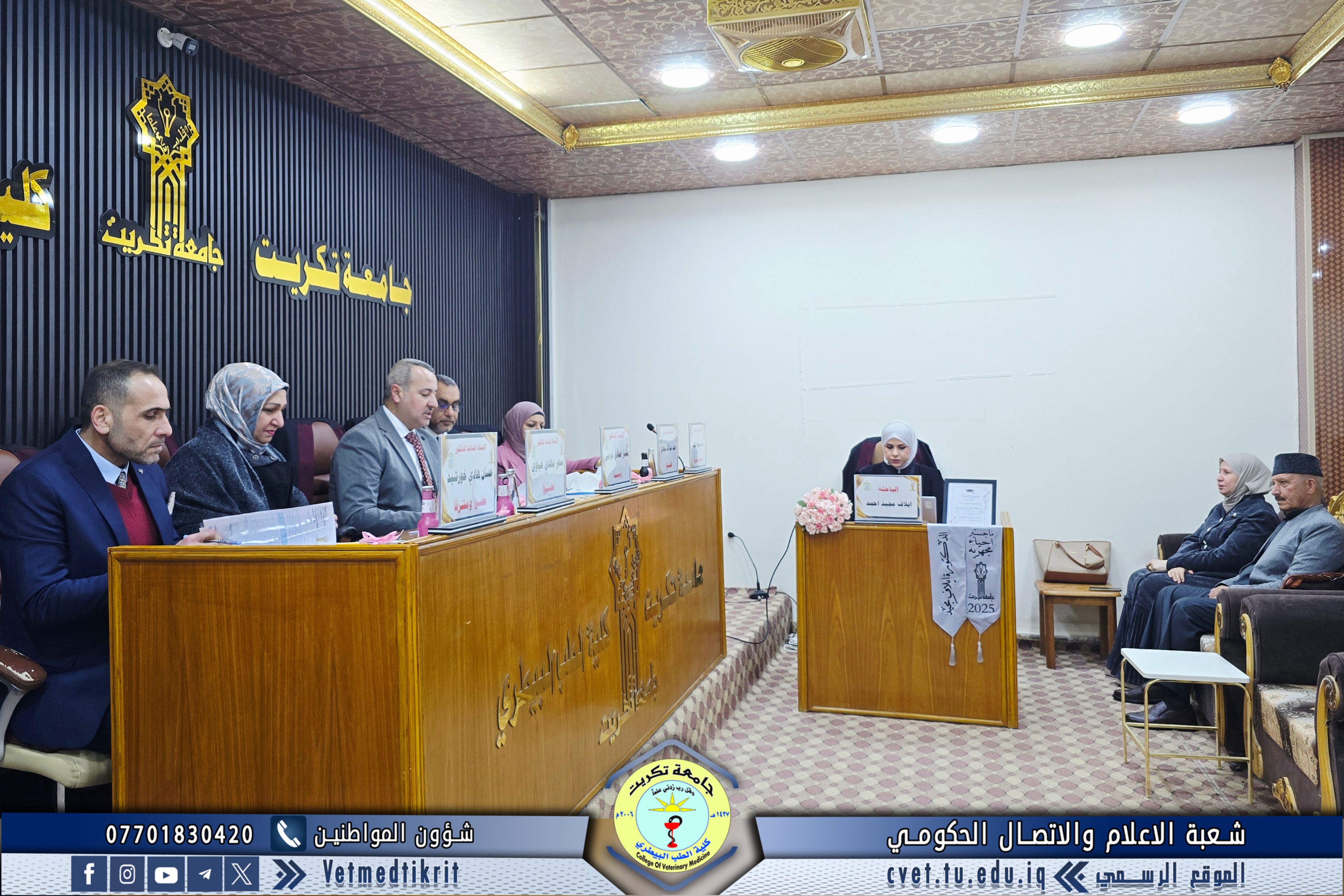
With the grace of God, the College of Veterinary Medicine at the University of Tikrit held the defense of the Master’s thesis entitled:
“Identification of Virulence Factors of Streptococcus pneumoniae Isolated from Humans and Its Ability to Cause Disease in Laboratory Animals”
submitted by the student Elaaf Majid Ahmed, in the field of Microbiology.
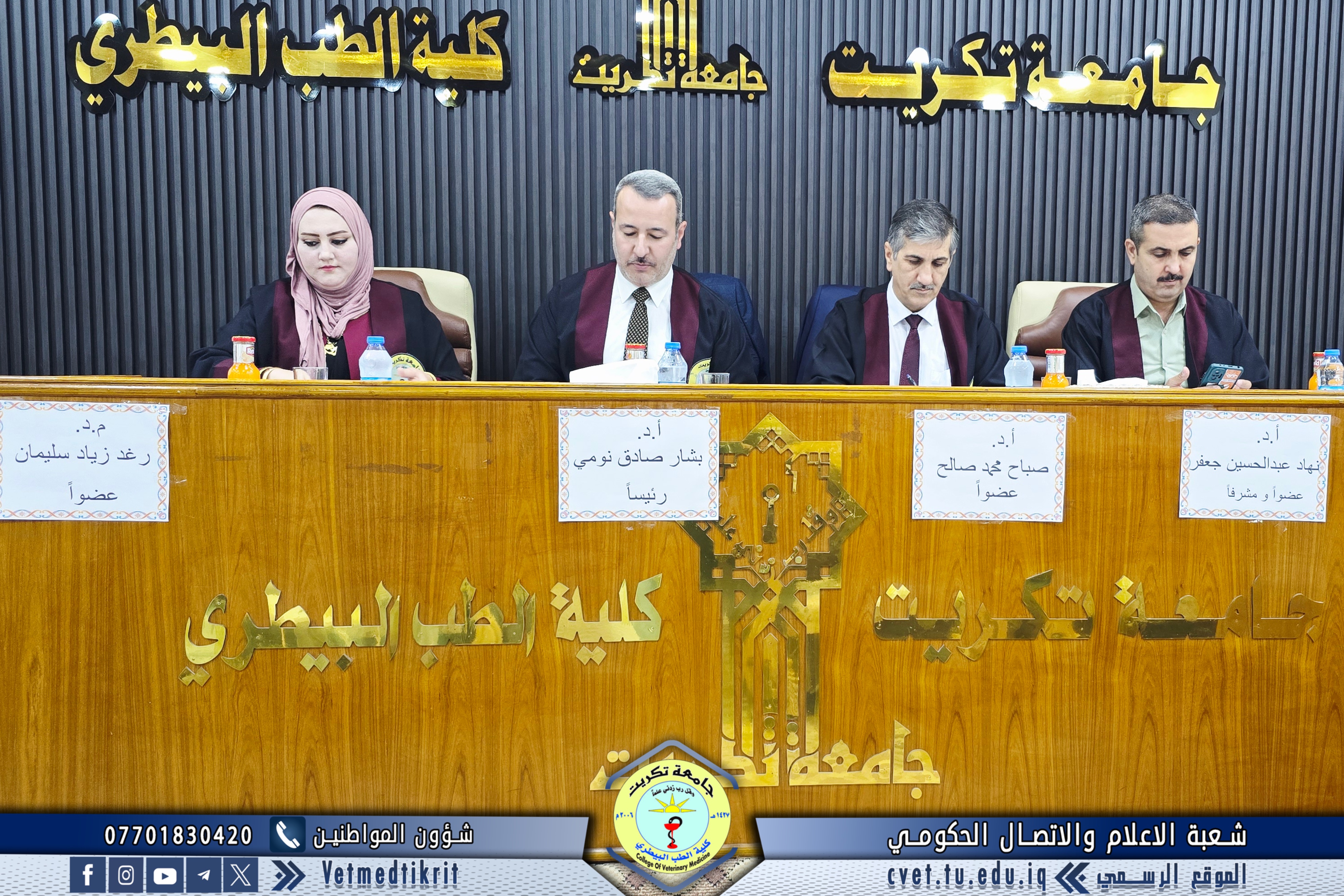
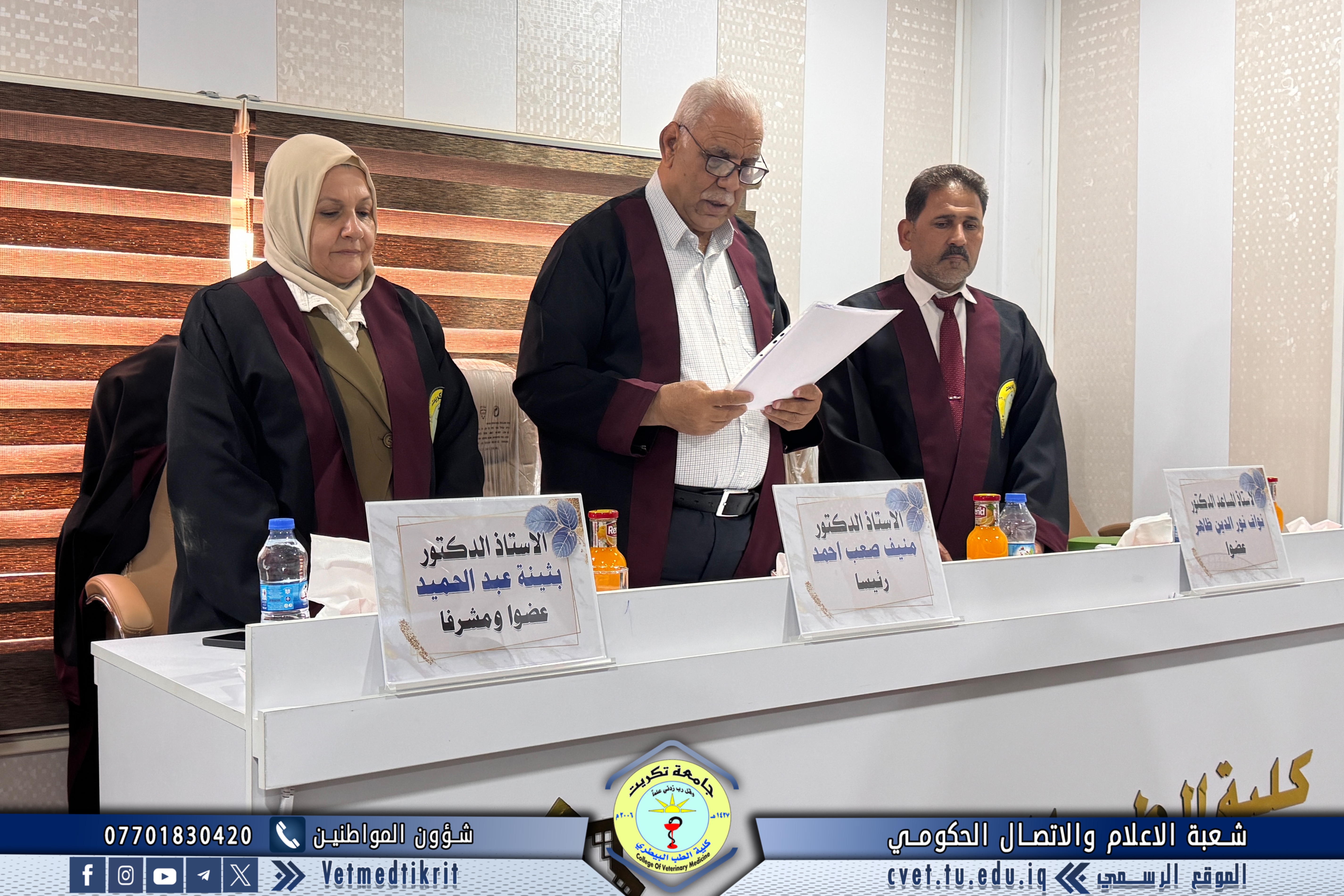
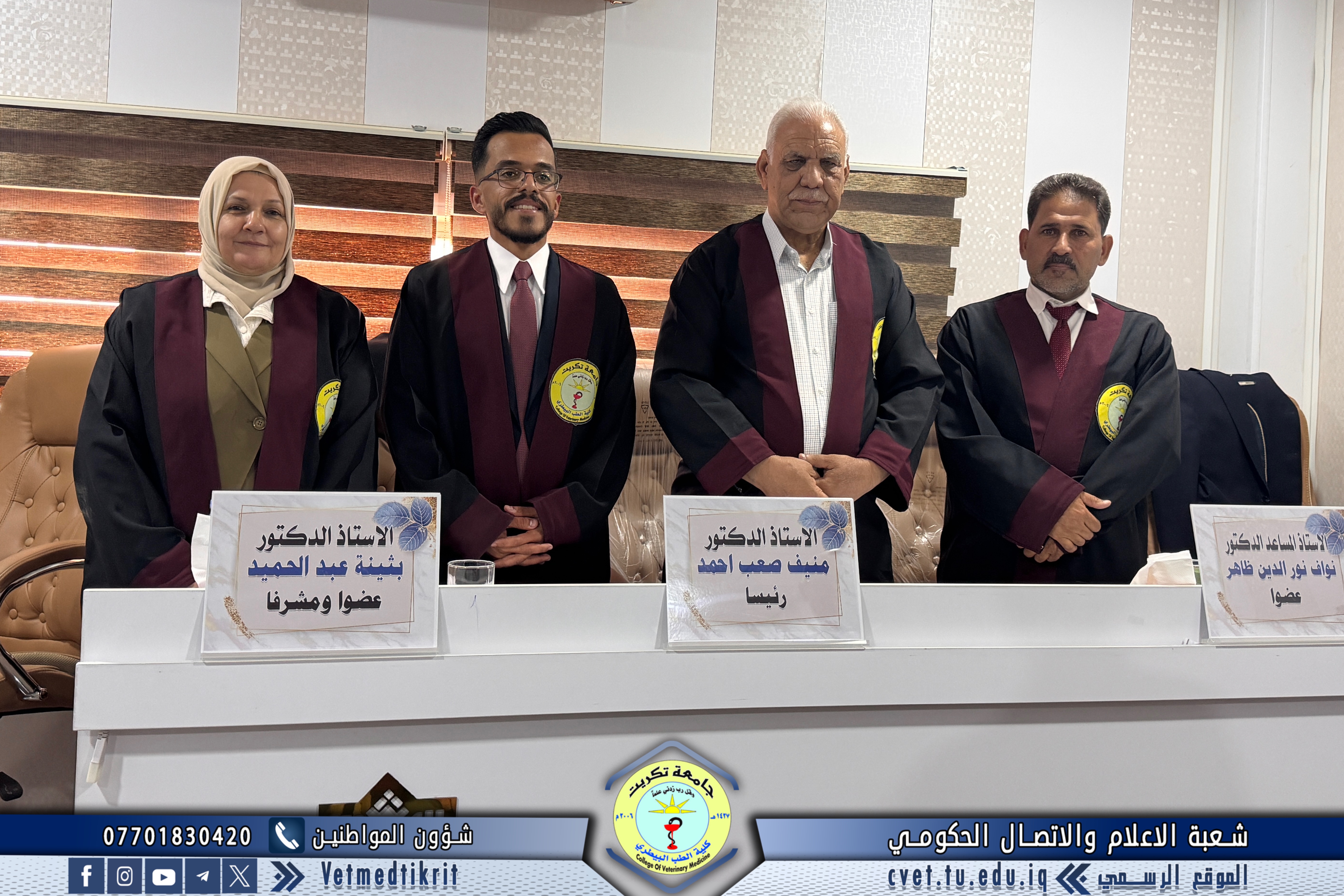
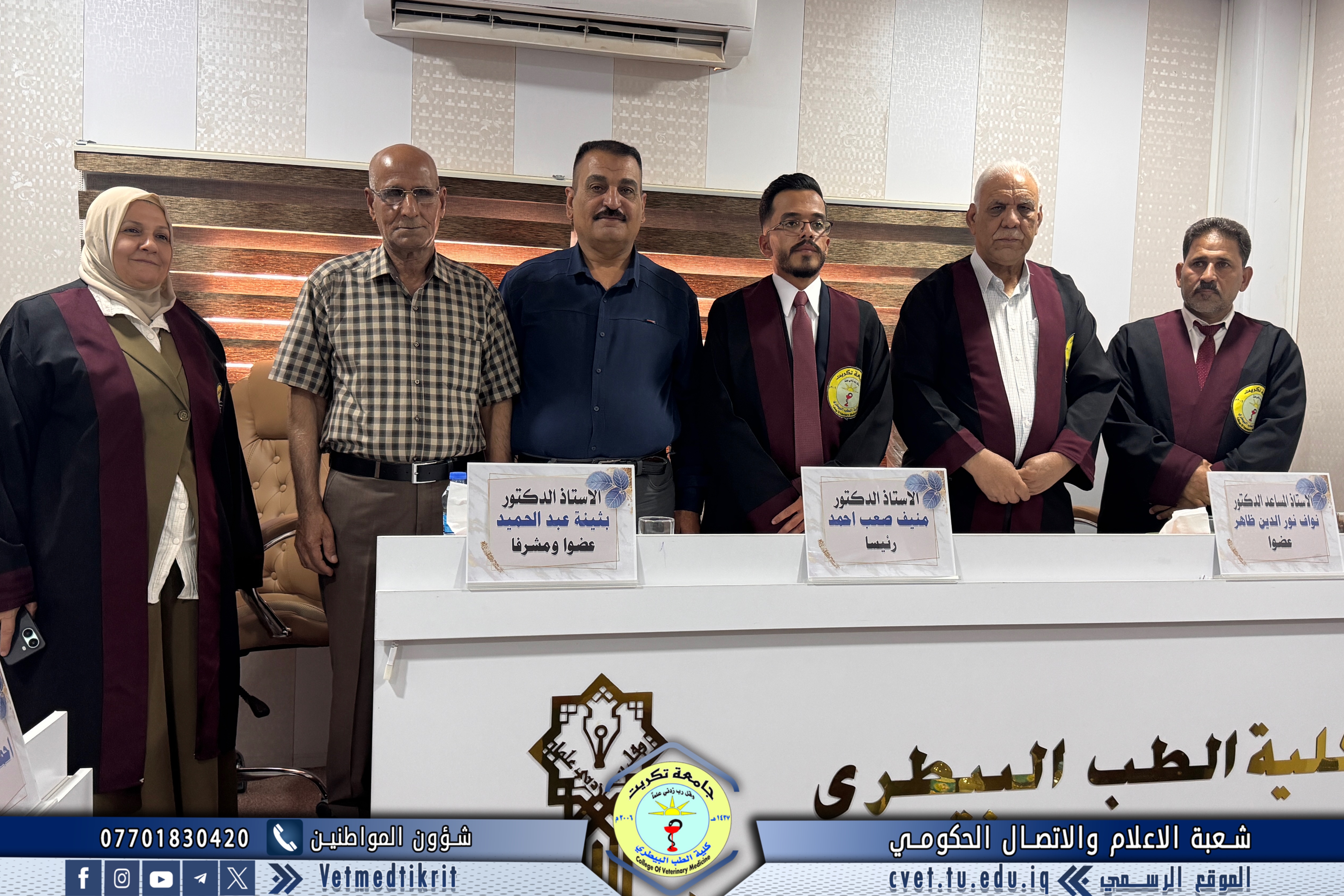
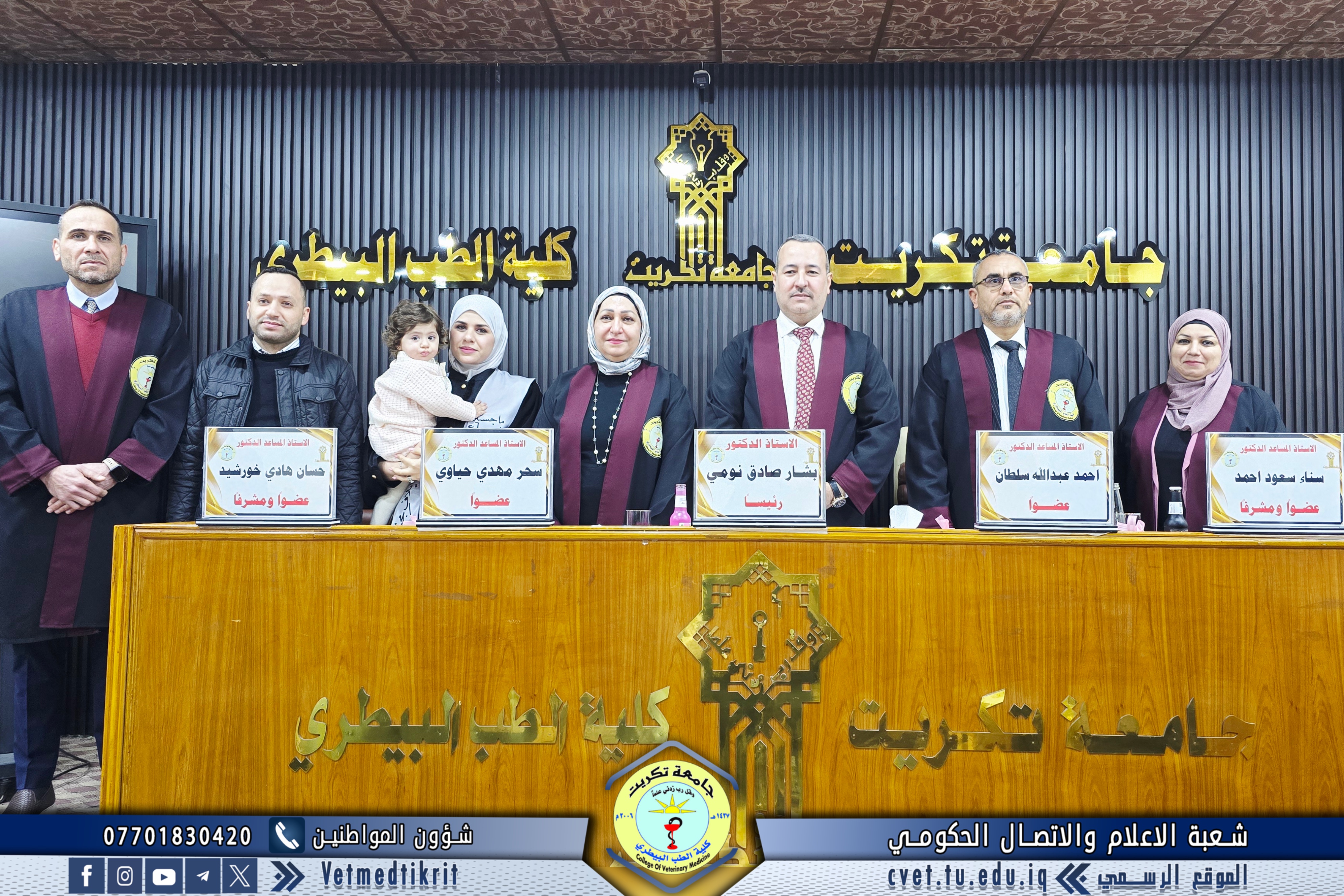
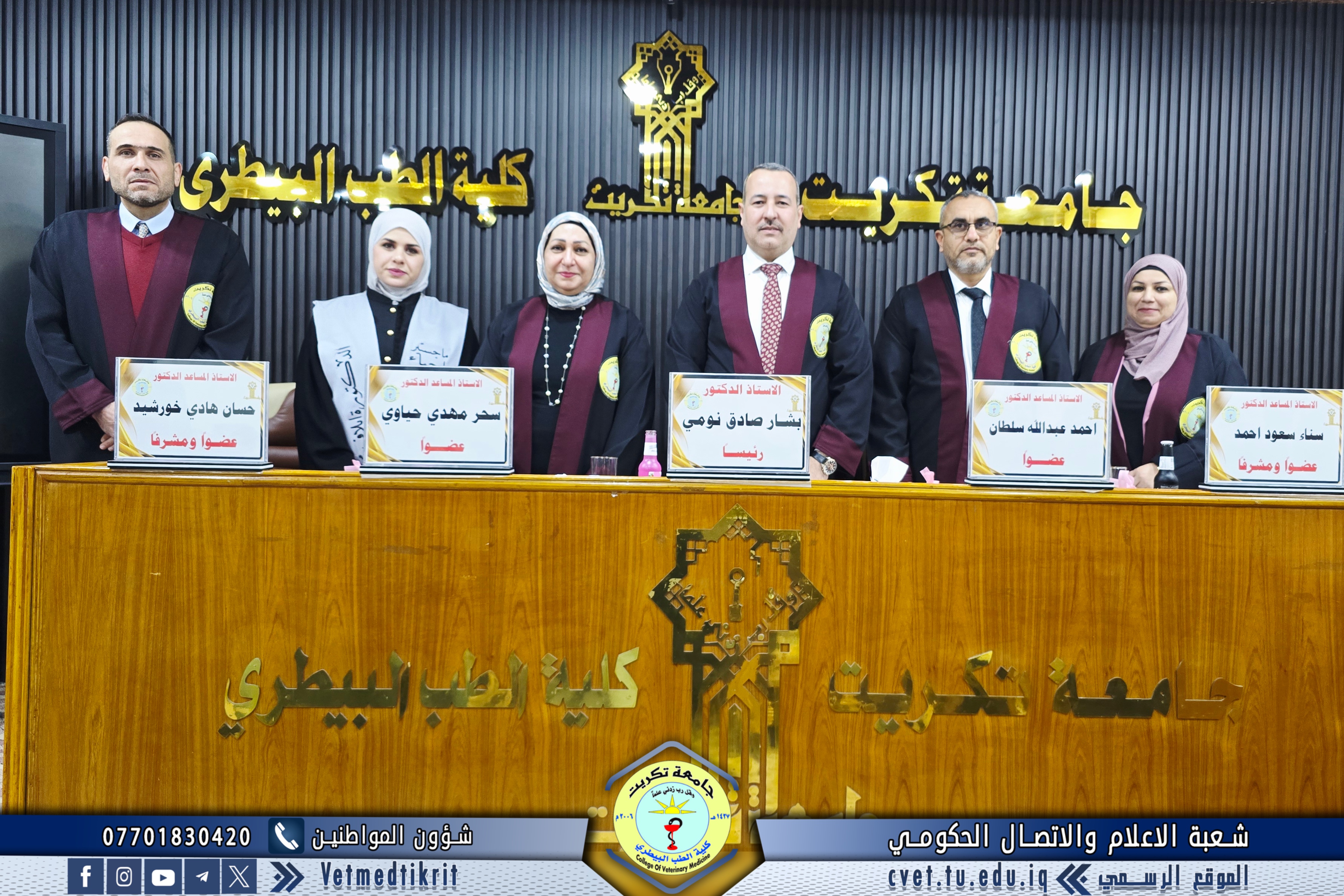
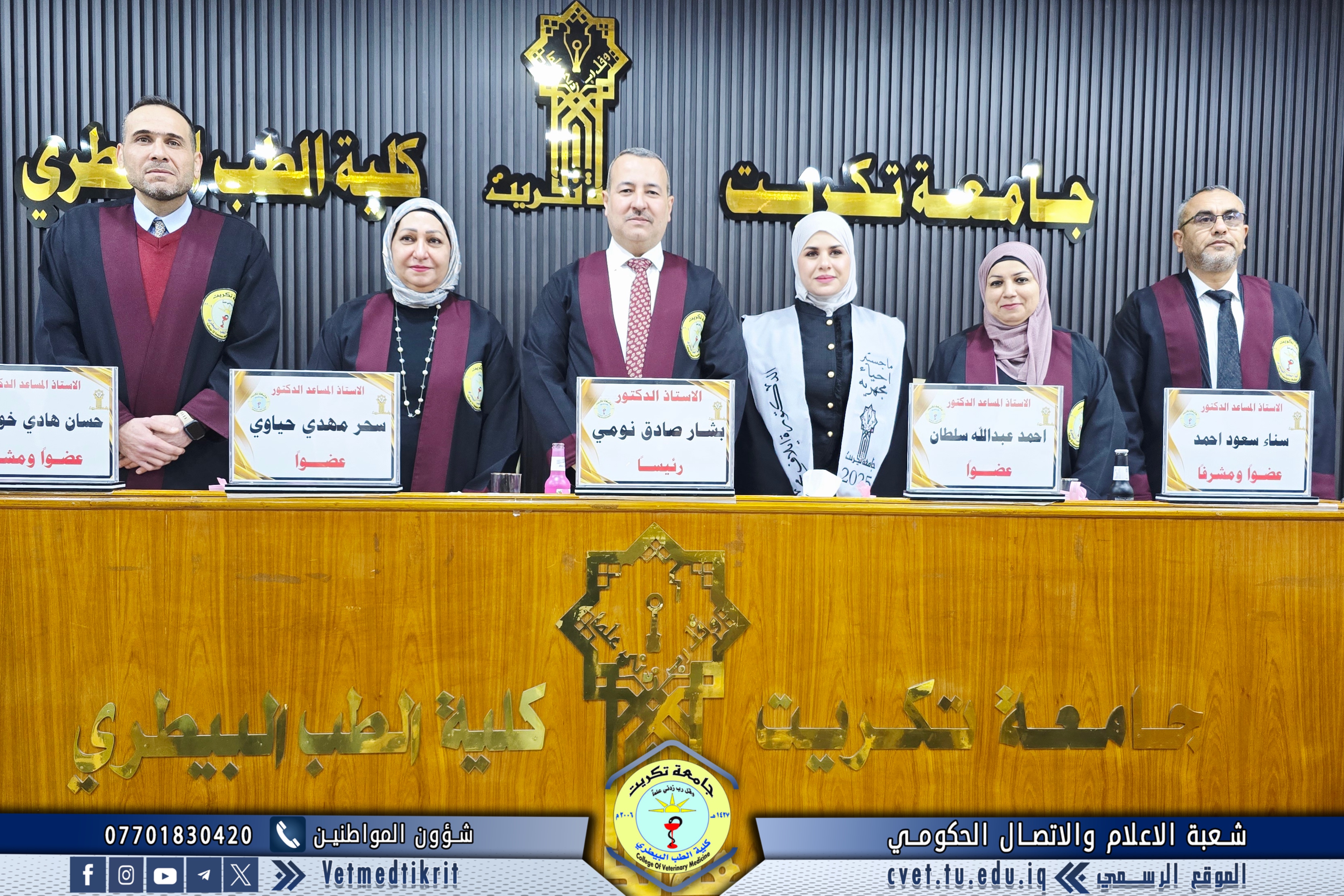
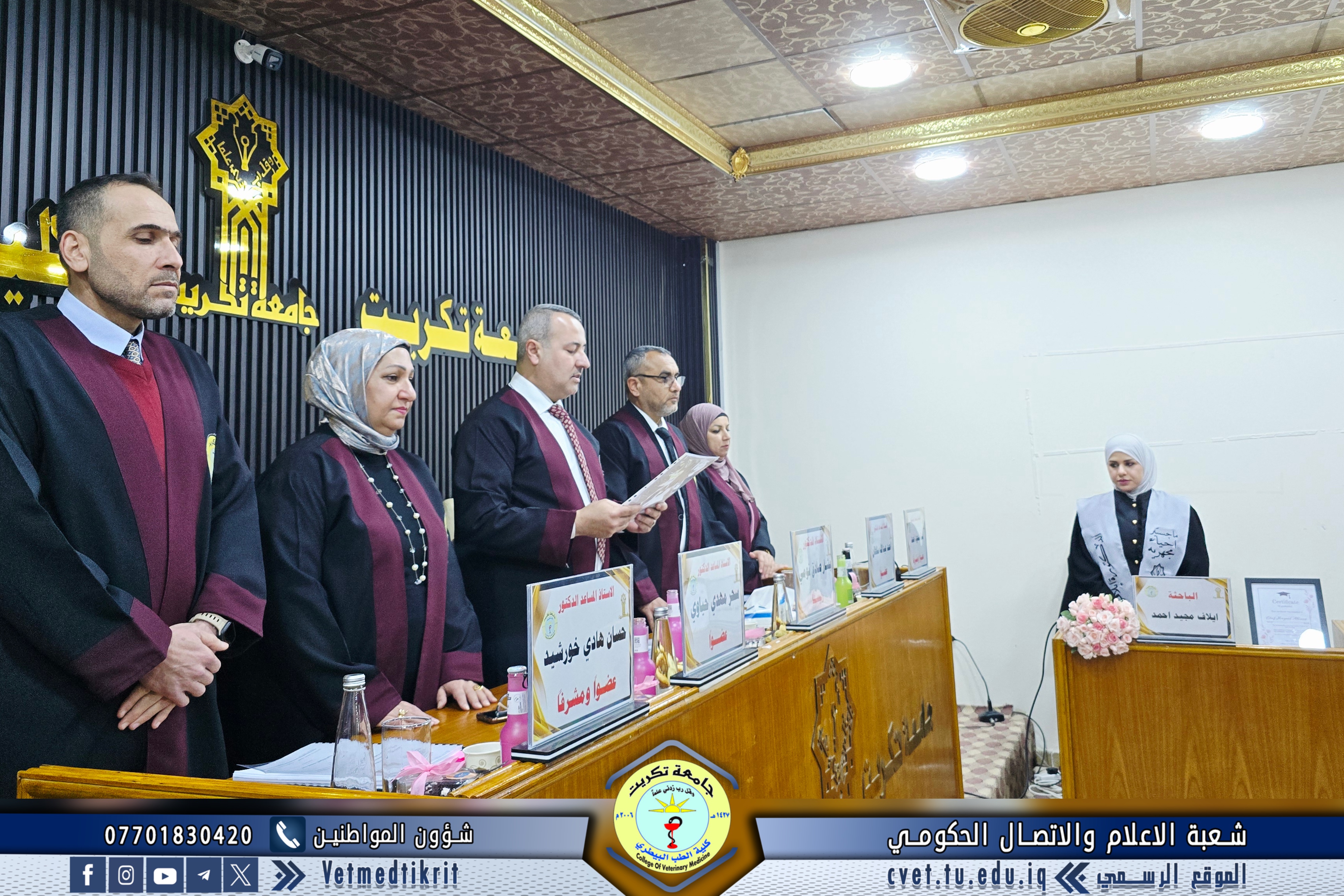
The examination committee consisted of:
-
Prof. Dr. Bashar Sadiq Noumi / Immunology and Bacterial Diagnosis / University of Tikrit – College of Veterinary Medicine / Chair
-
Asst. Prof. Dr. Sahar Mahdi Hayawi / Microbiology / University of Baghdad – College of Veterinary Medicine / Member
-
Asst. Prof. Dr. Ahmed Abdullah Sultan / Animal Diseases / University of Tikrit – College of Veterinary Medicine / Member
-
Asst. Prof. Dr. Sana Saud Ahmed / Microbiology / University of Tikrit – College of Veterinary Medicine / Member and Supervisor
-
Asst. Prof. Dr. Hassan Hadi Khurshid / Animal Diseases / University of Tikrit – College of Veterinary Medicine / Member and Supervisor
The thesis presented a scientific study aimed at identifying the virulence factors of Streptococcus pneumoniae isolated from patients suffering from pneumonia, and evaluating its ability to induce pathological changes in laboratory animals. A total of 50 blood and sputum samples were collected from patients in public and private hospitals in the city of Tikrit during the period from November 2024 to February 2025. The bacteria were isolated and identified using cultural, microscopic, and biochemical tests, in addition to the VITEK 2 system and PCR technique to detect virulence genes, particularly the pneumolysin (ply) gene.
The study also included an in vivo experiment using 20 laboratory mice divided into four groups. The infected groups were injected with different doses of the bacterial suspension, followed by histopathological examinations of major organs (kidney, liver, lung, and spleen). The results revealed clear pathological histological changes that increased in severity with higher infection doses, including inflammatory infiltrations, cellular necrosis, vascular congestion, and damage to the tissue architecture of the examined organs.
The study confirmed that Streptococcus pneumoniae isolated from humans has a high capacity to induce tissue damage in laboratory animals, and that pneumolysin is a key virulence factor in bacterial pathogenicity. A direct correlation was observed between infection dose and severity of pathological changes, highlighting the importance of this factor as a potential target for the development of future vaccines or antitoxic therapies.
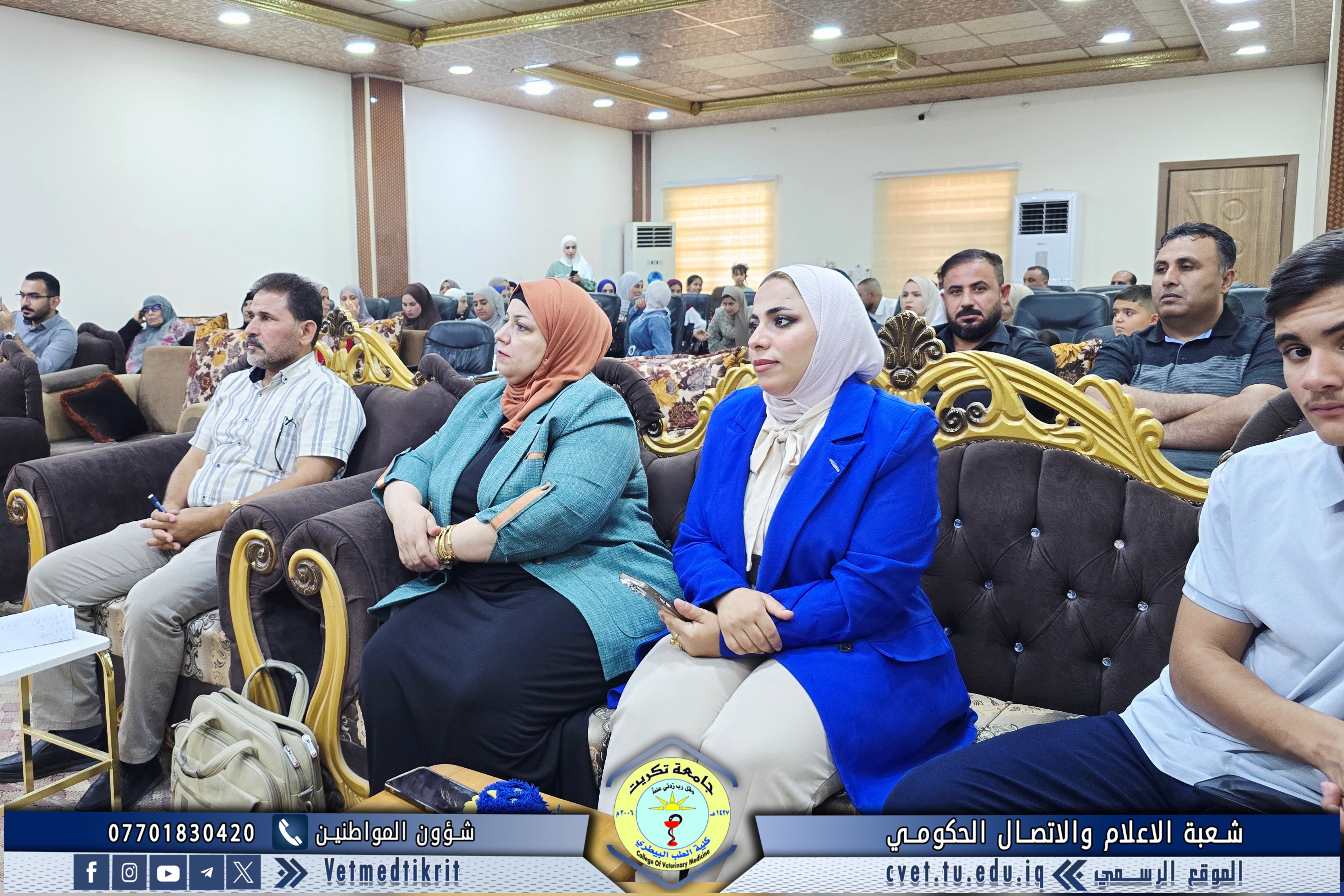
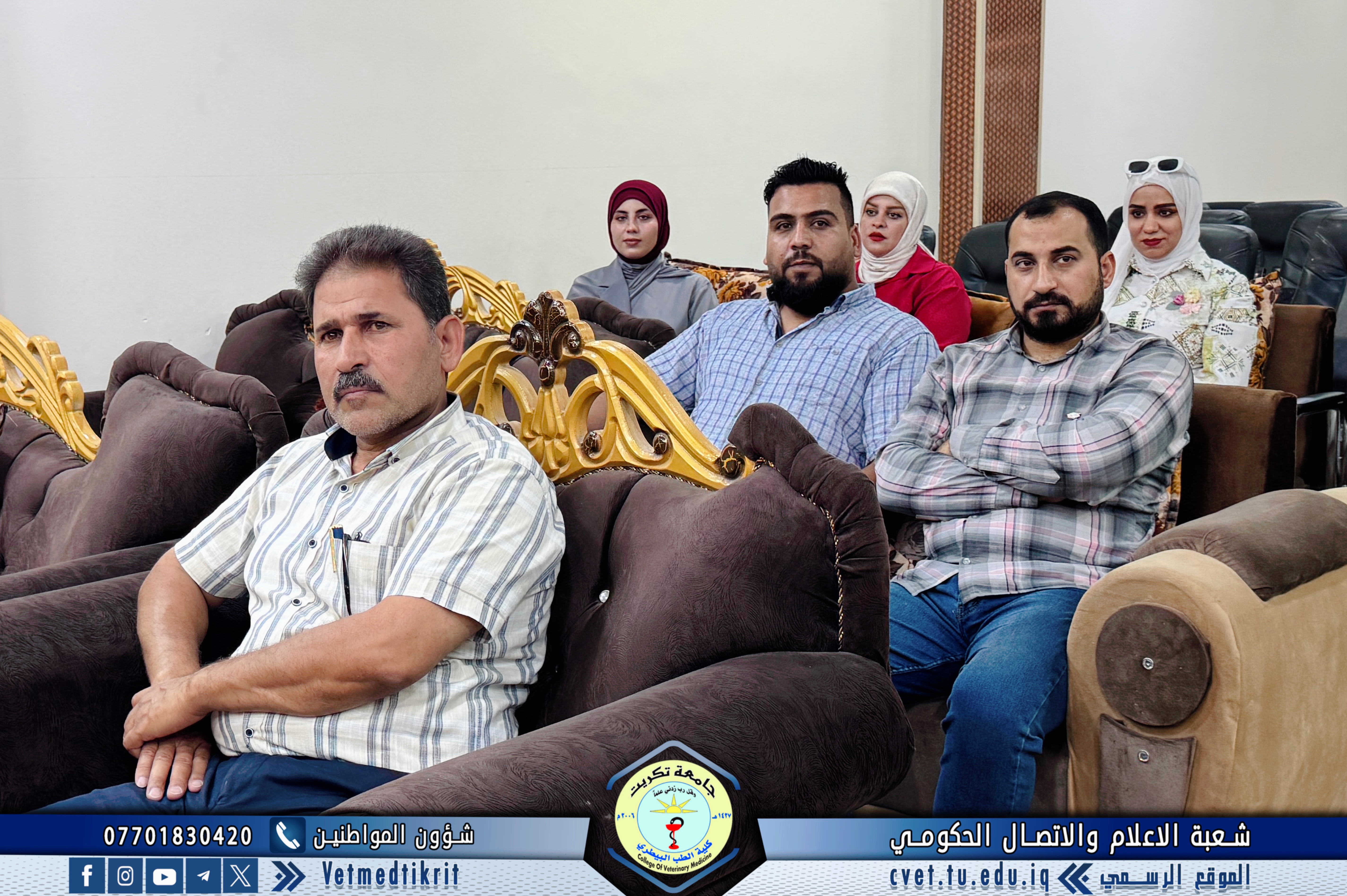
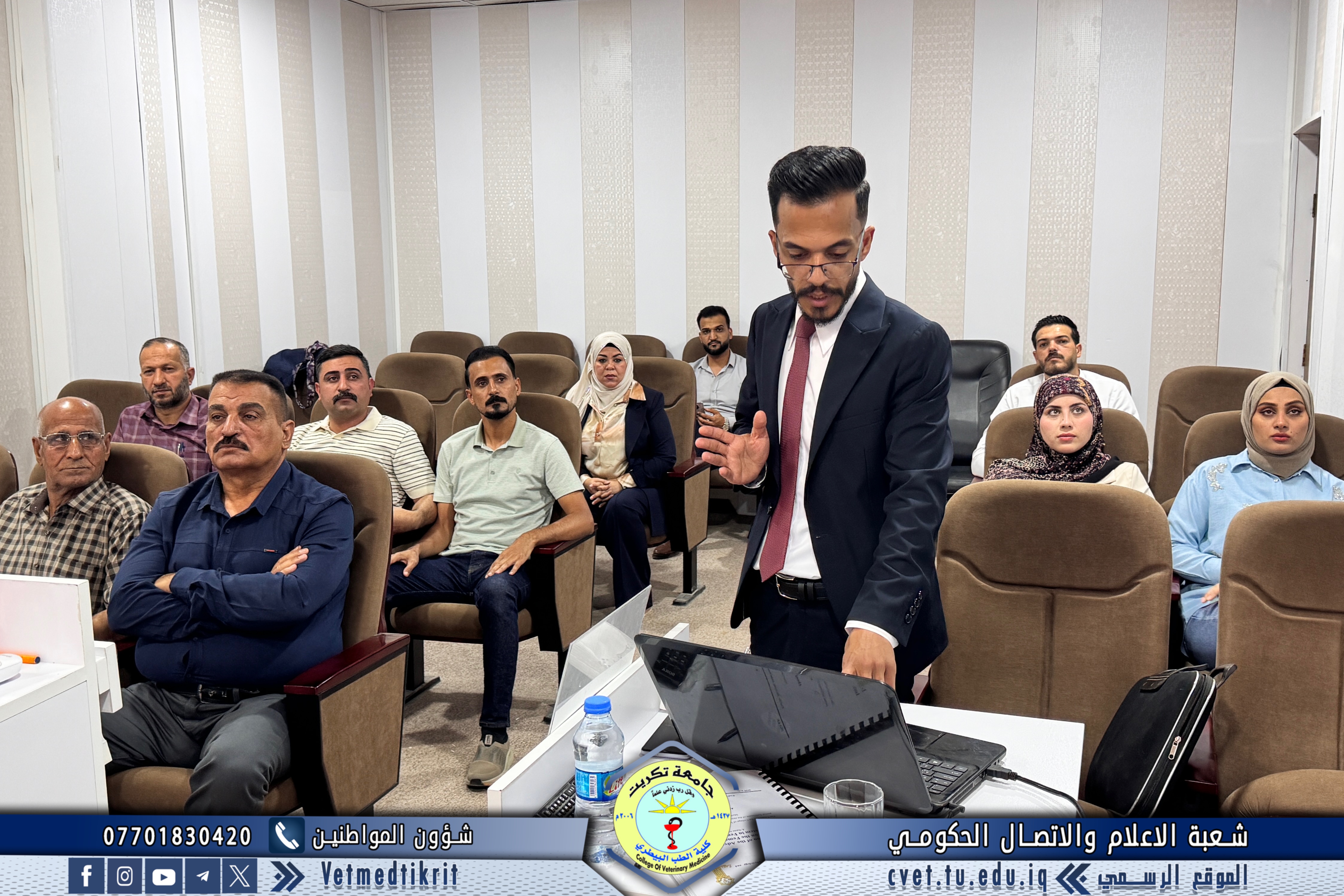
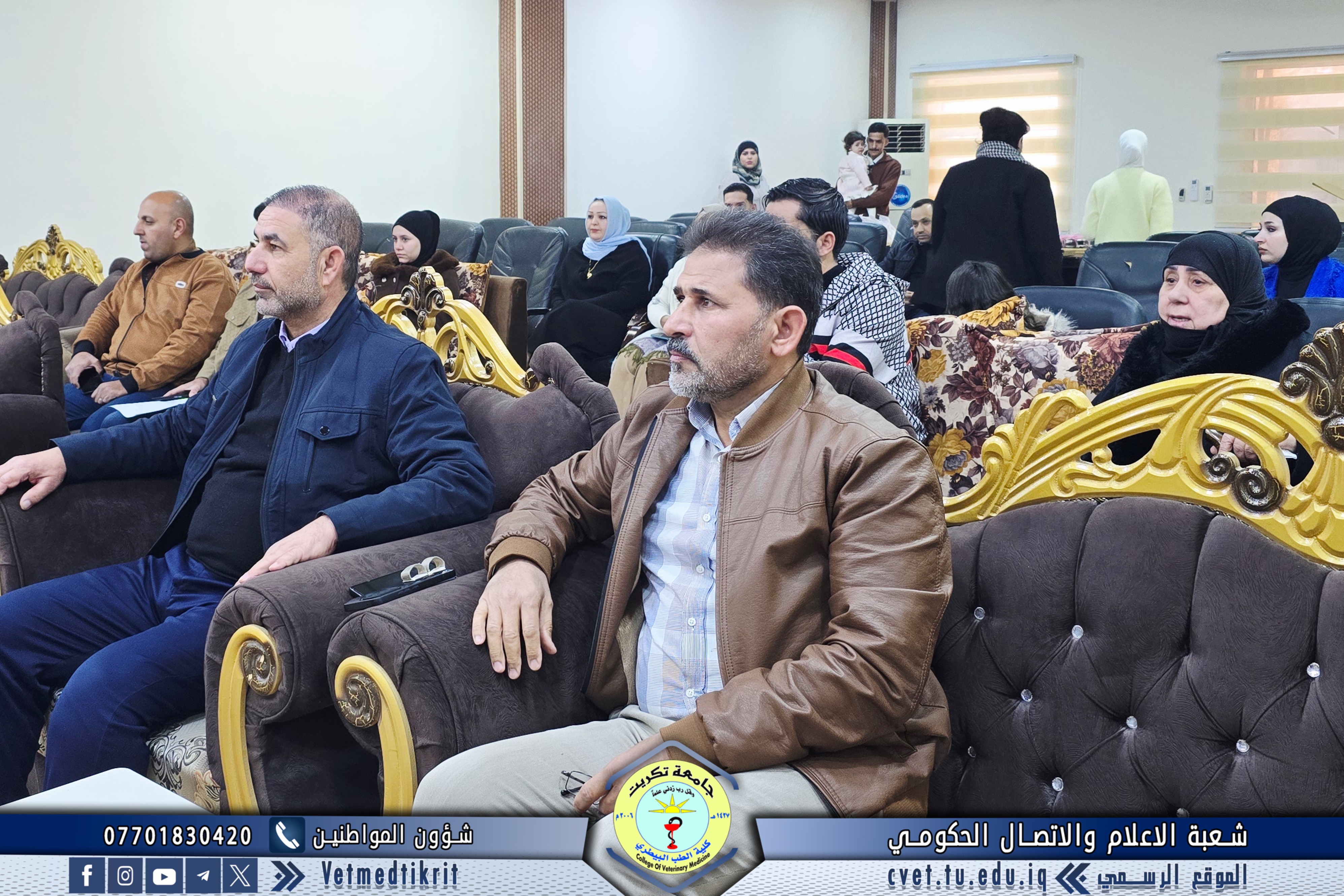
The defense, held in Dr. Muhannad Maher Hall at the College of Veterinary Medicine, was attended by a number of faculty members and a group of college students.