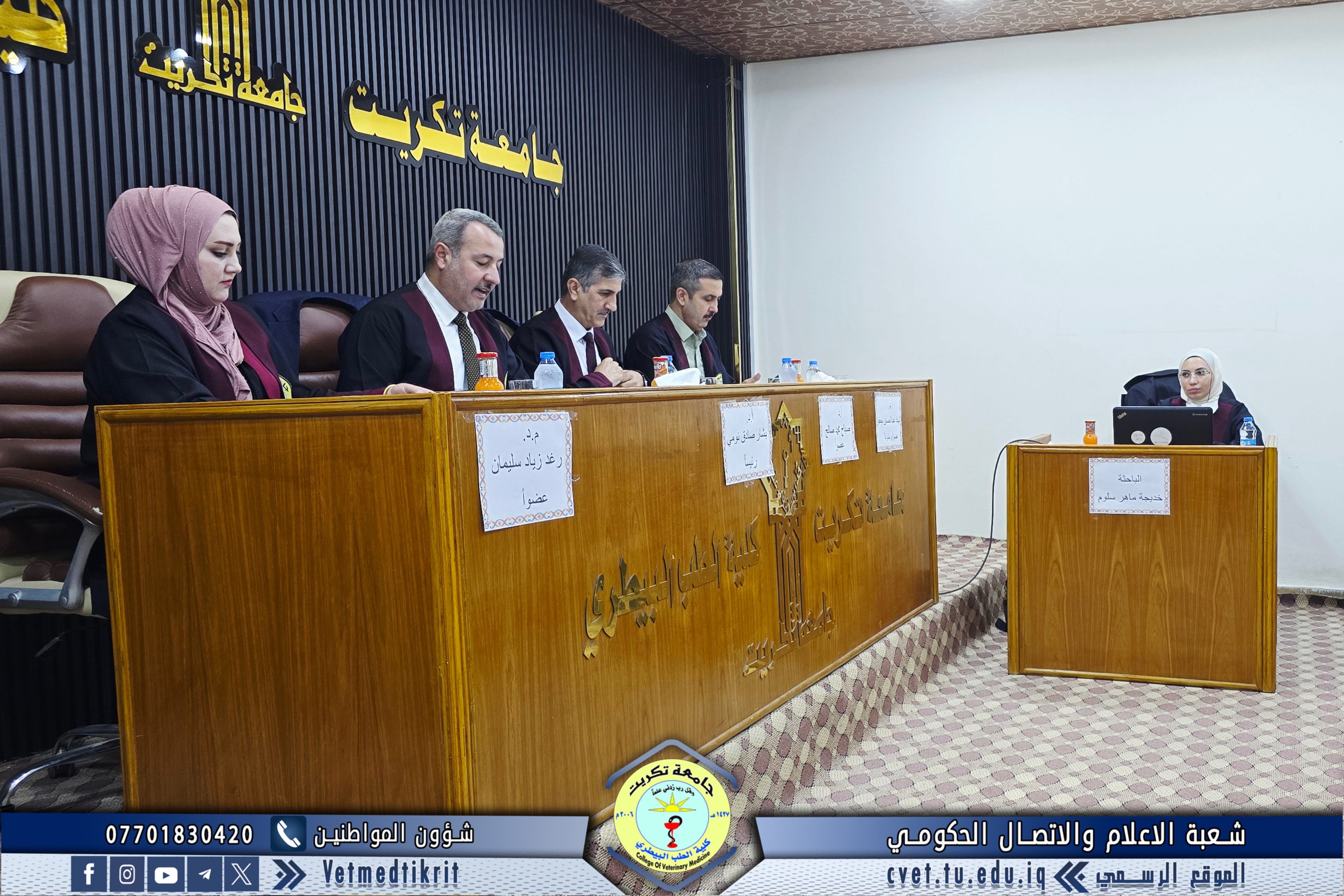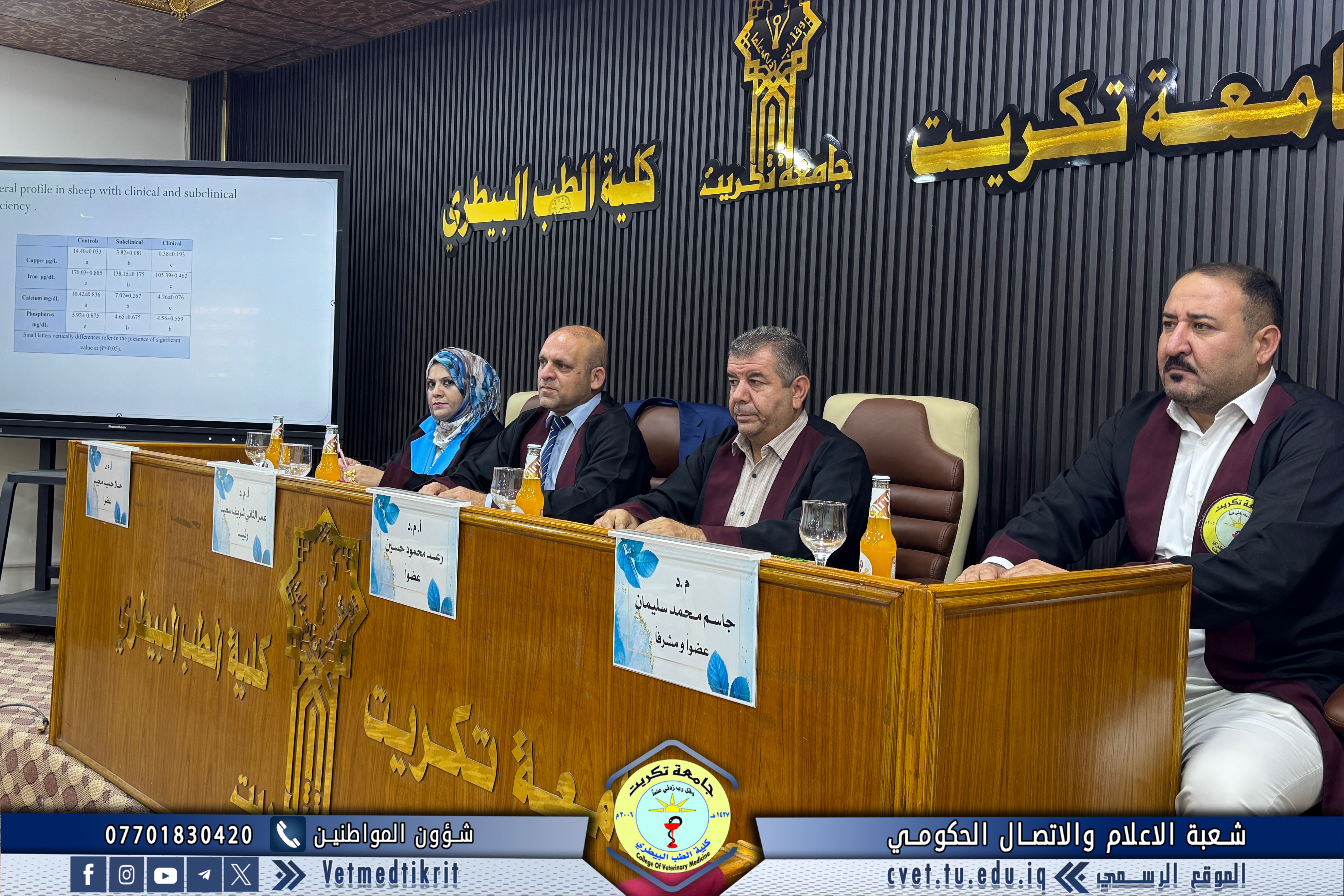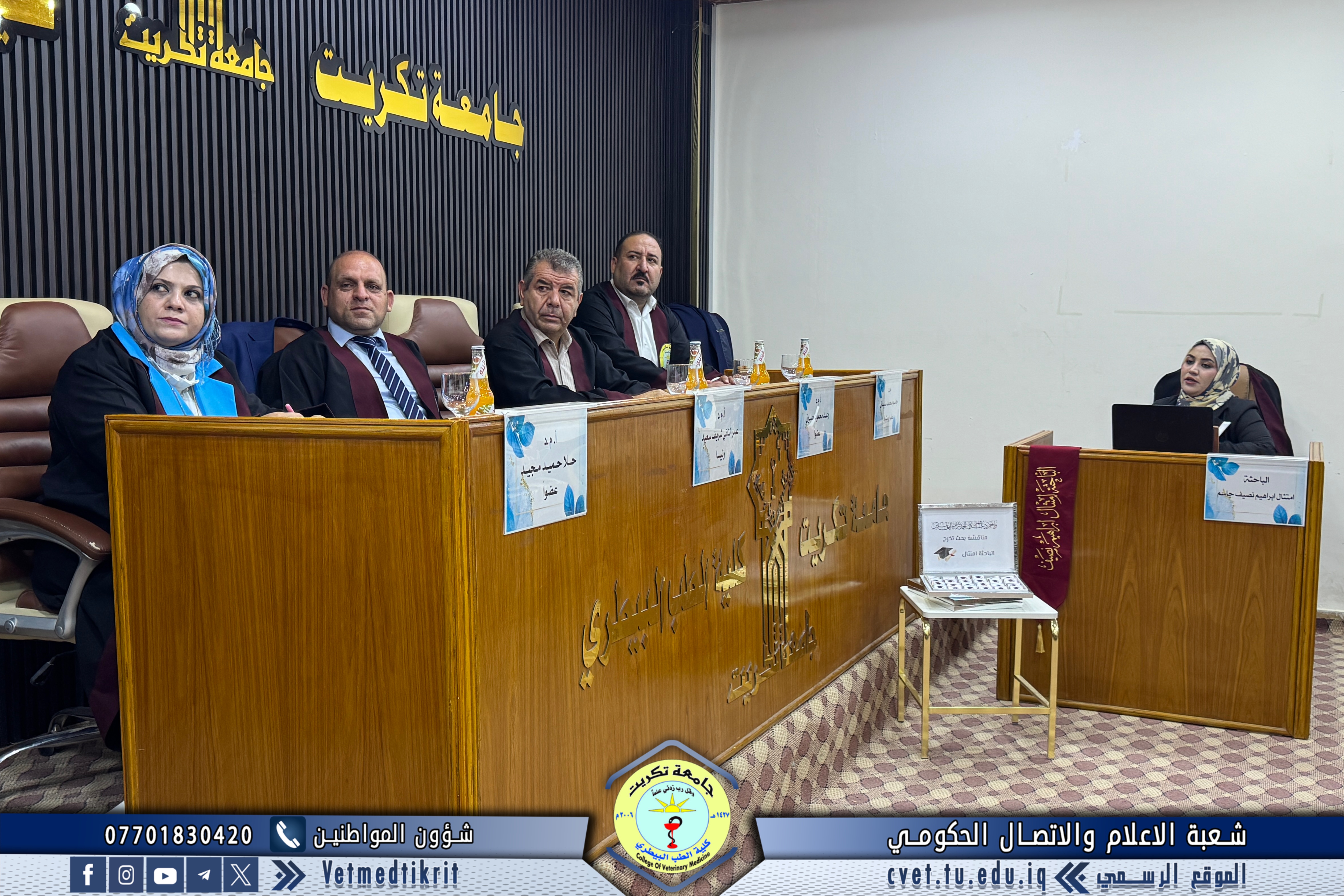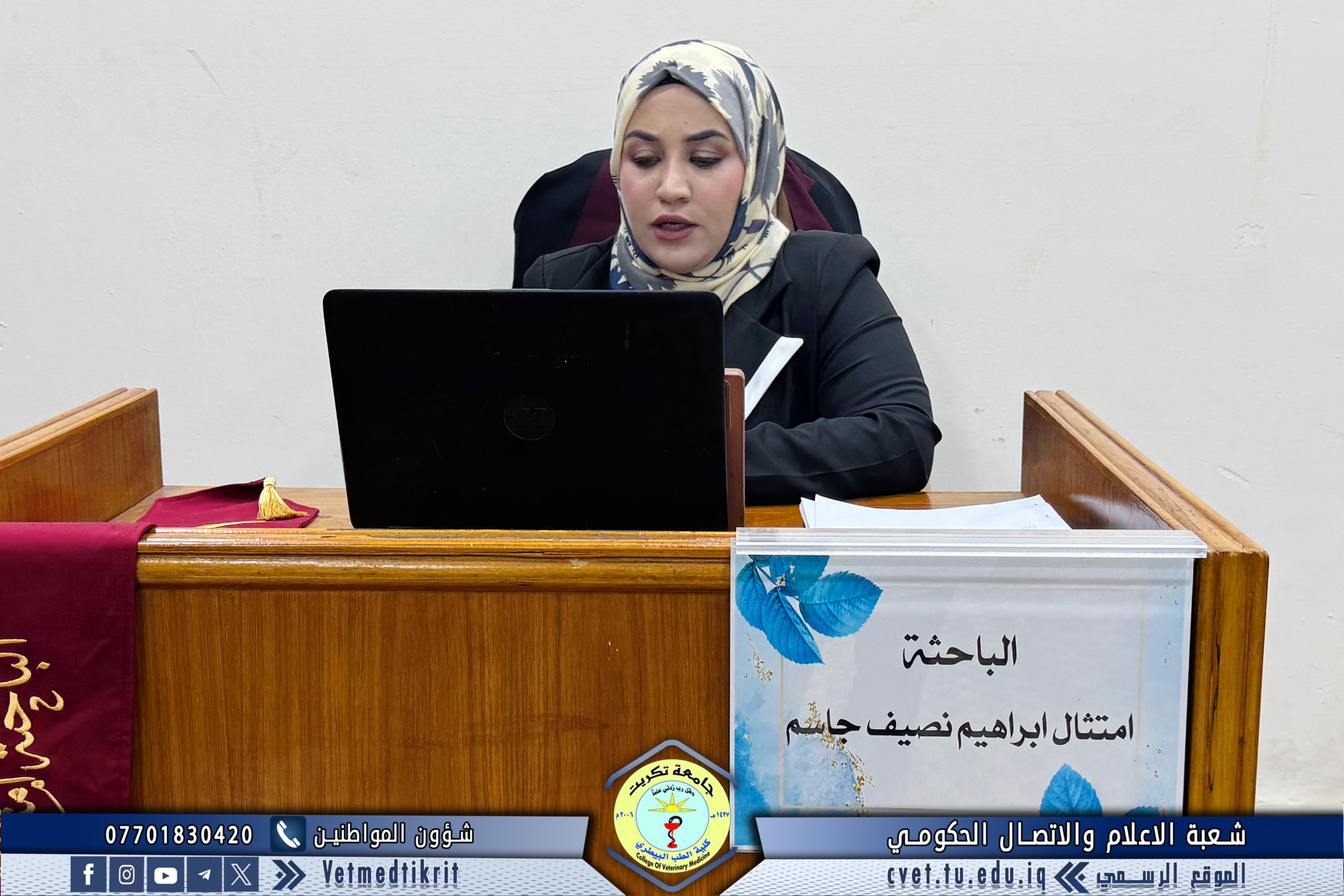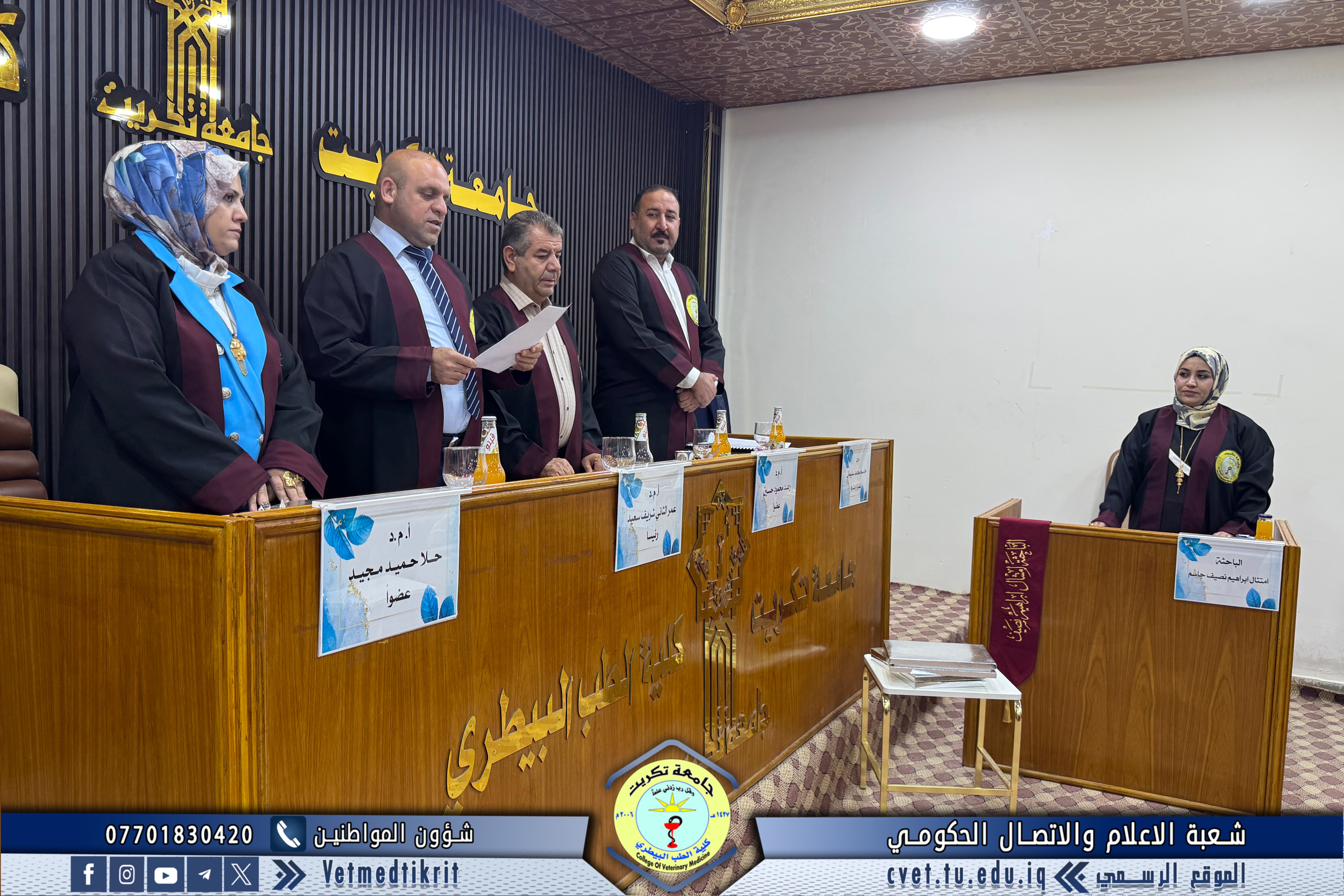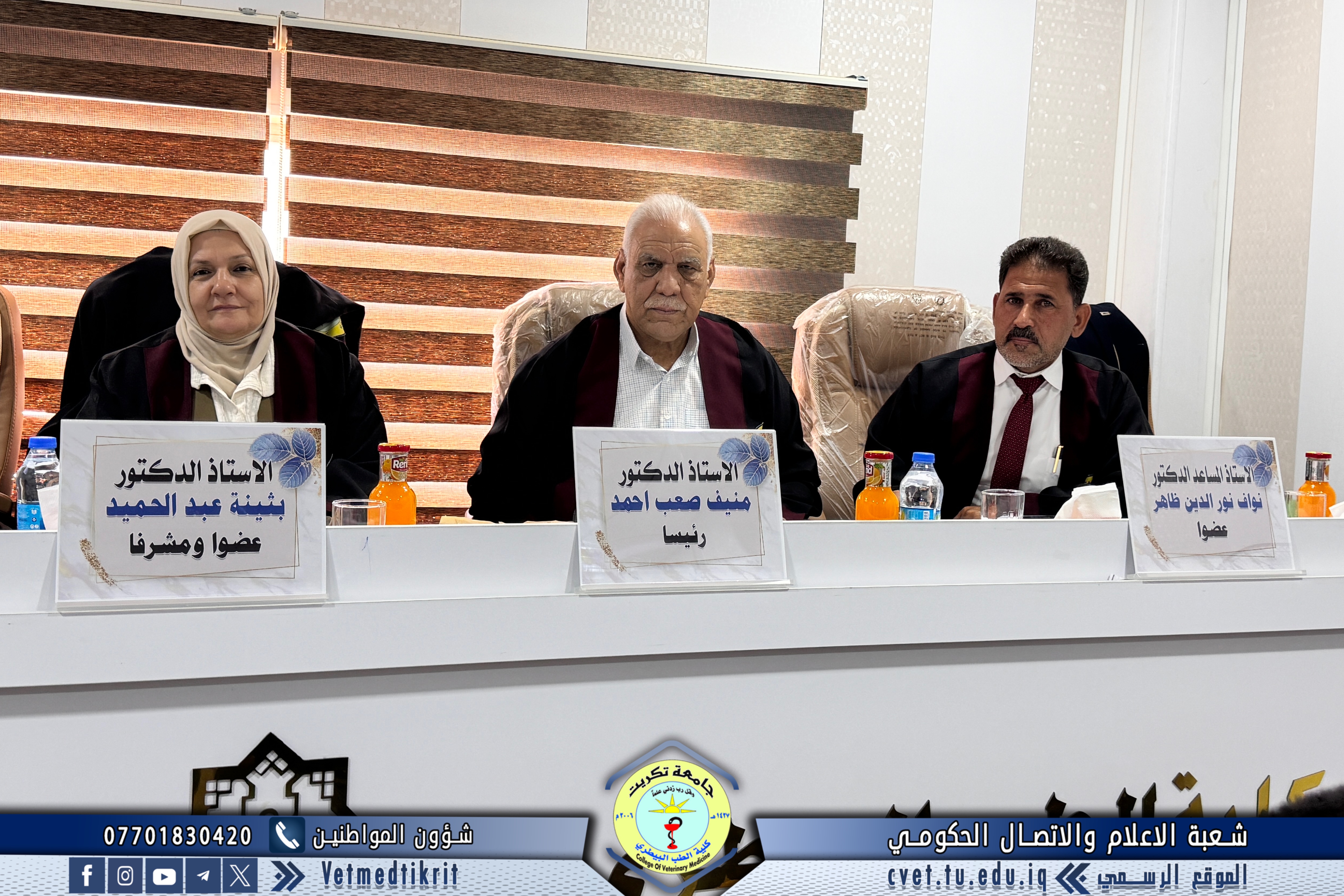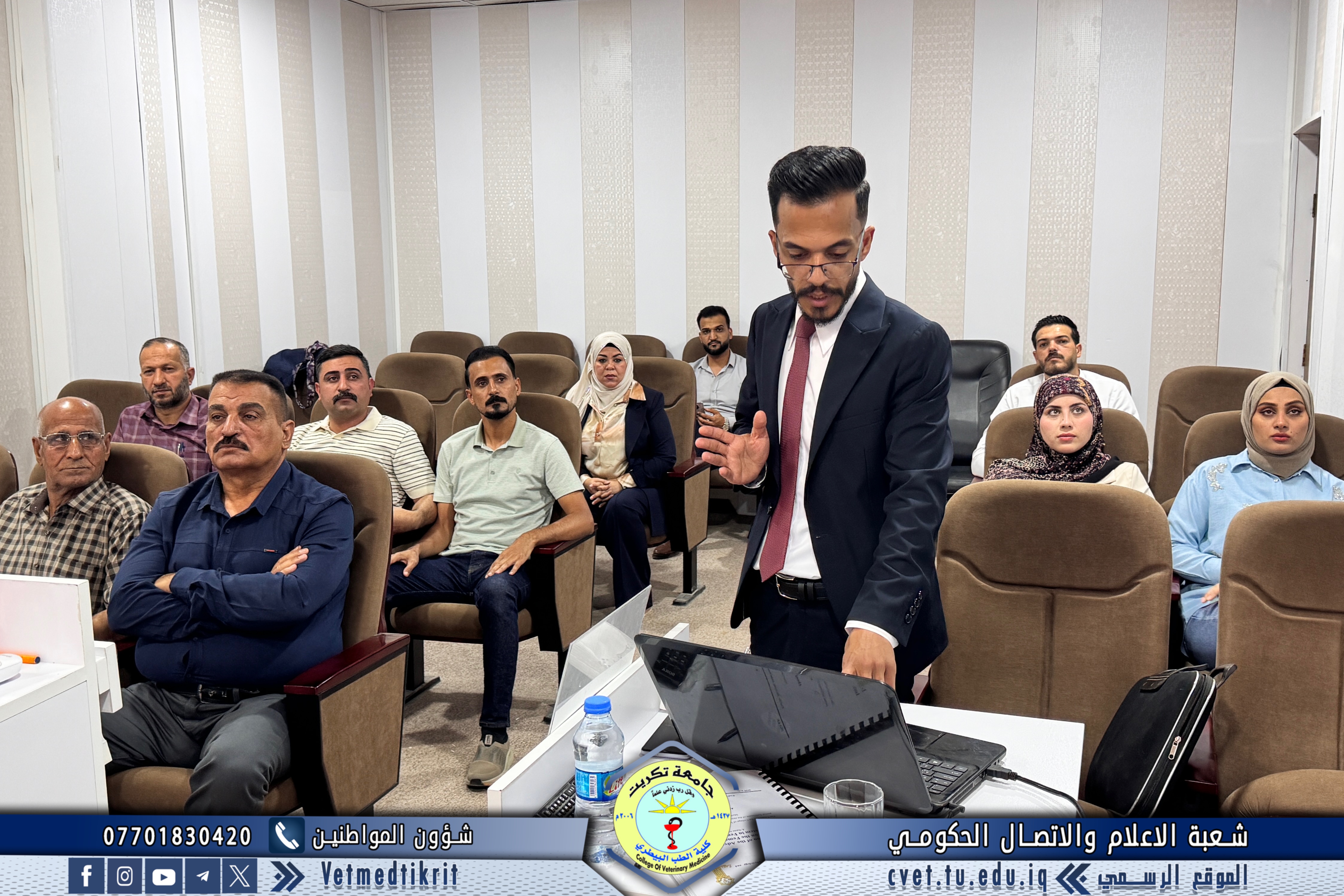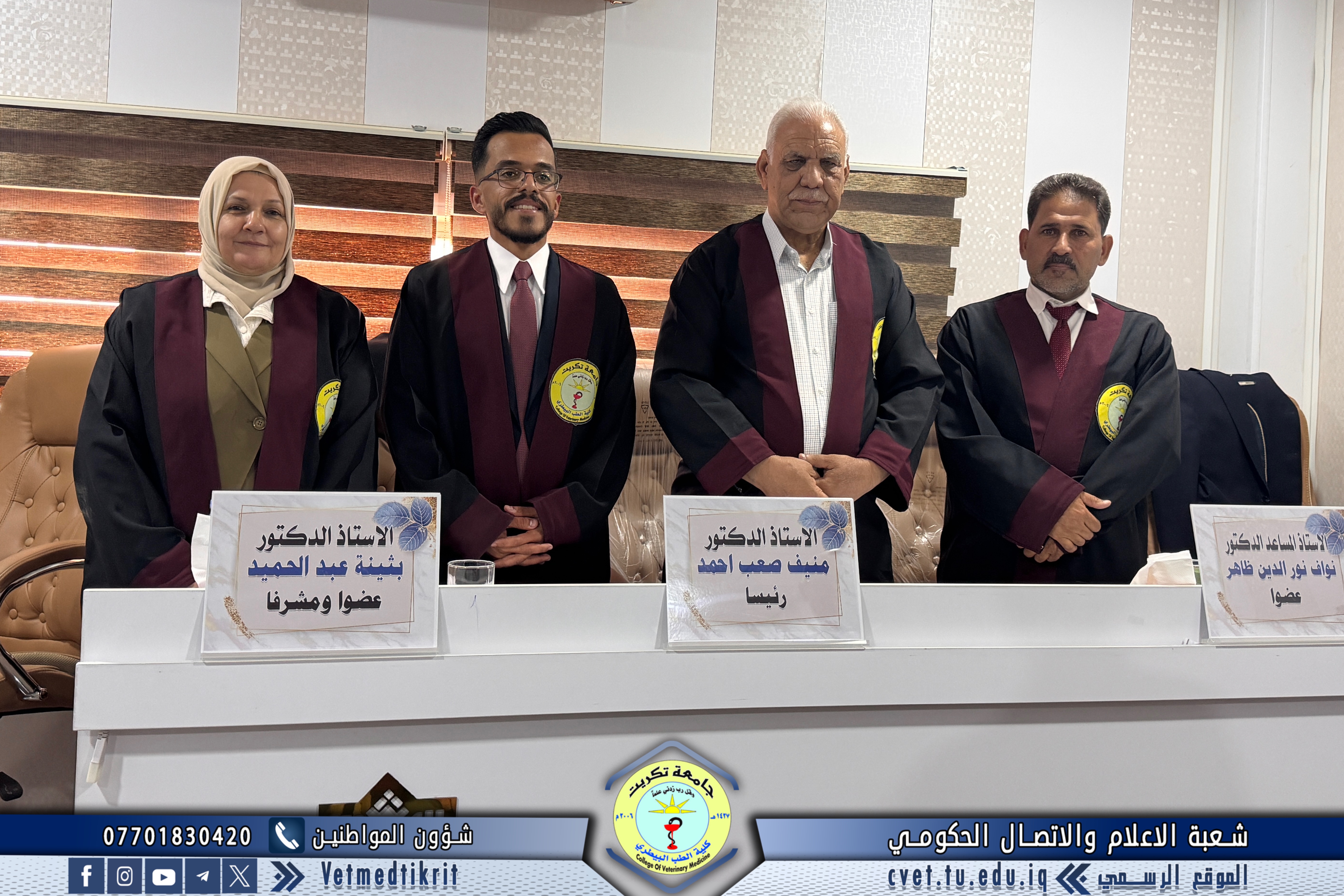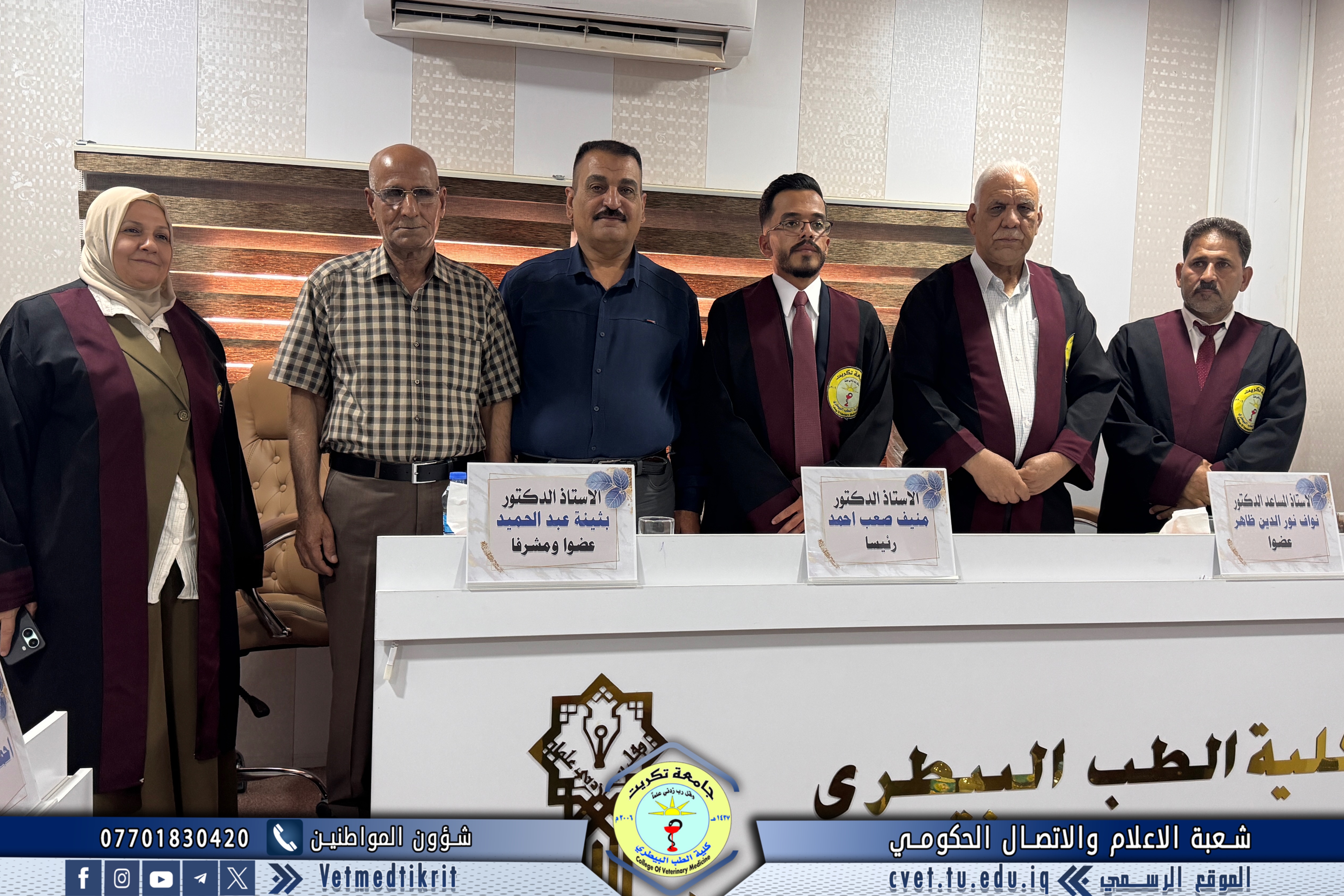
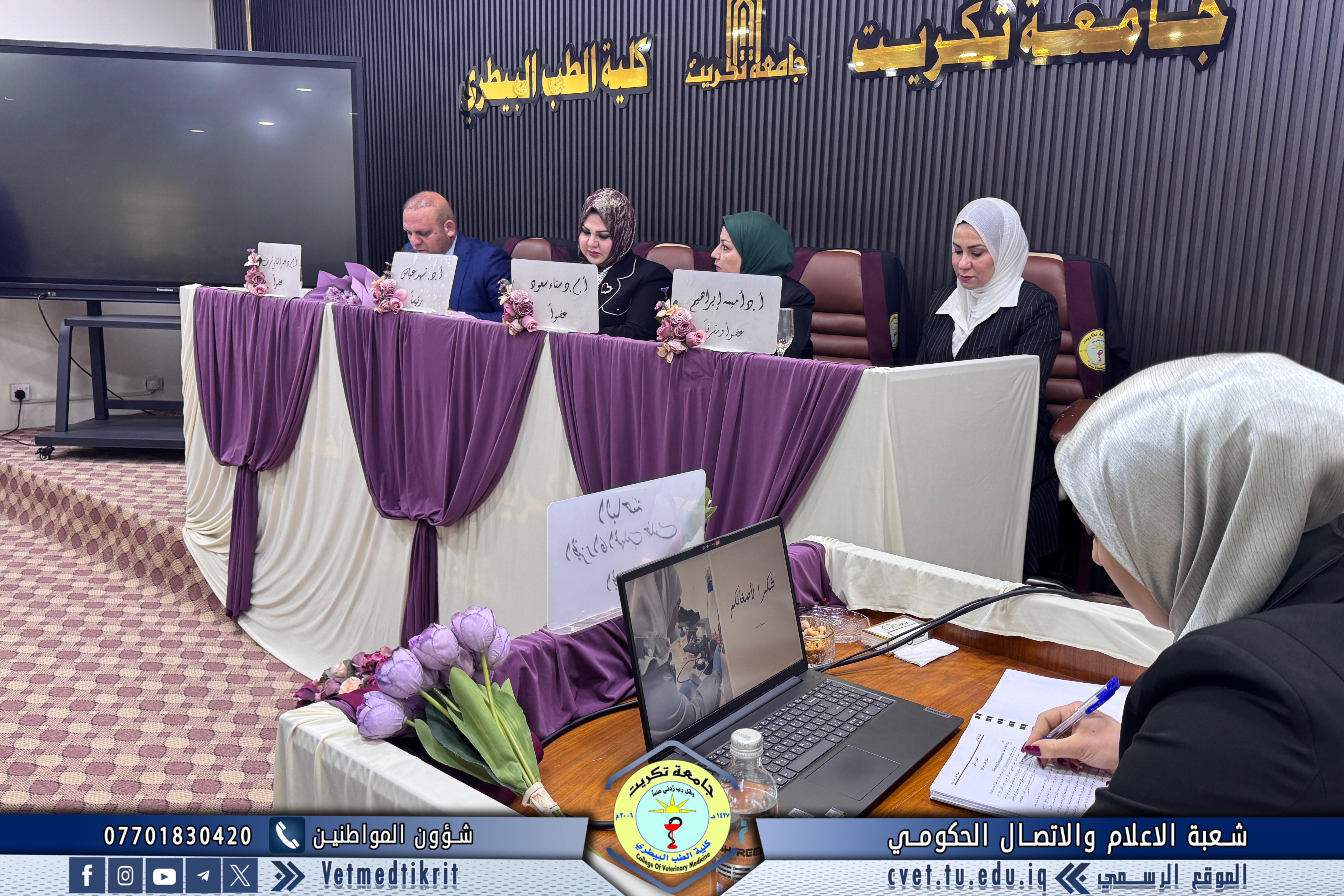



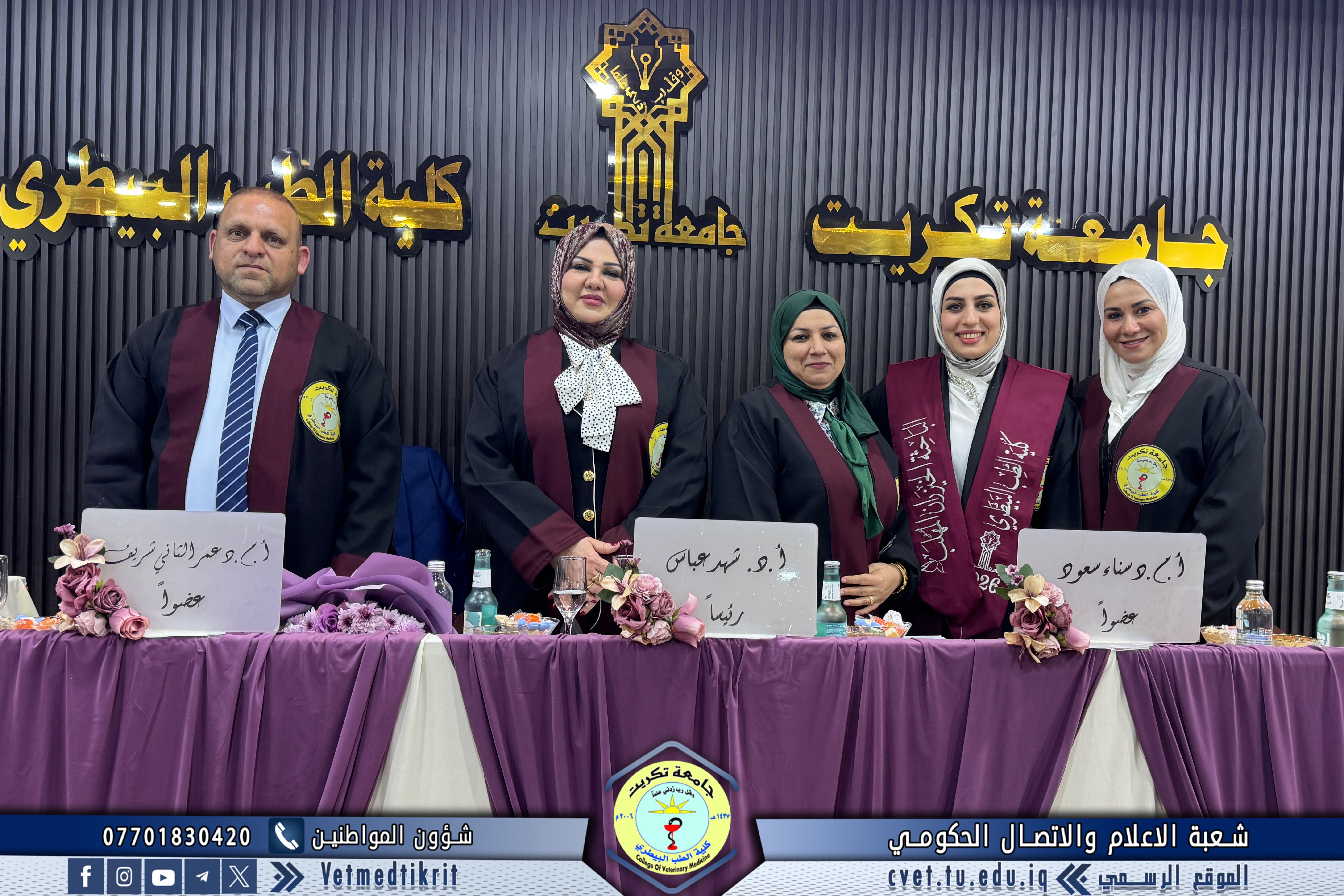
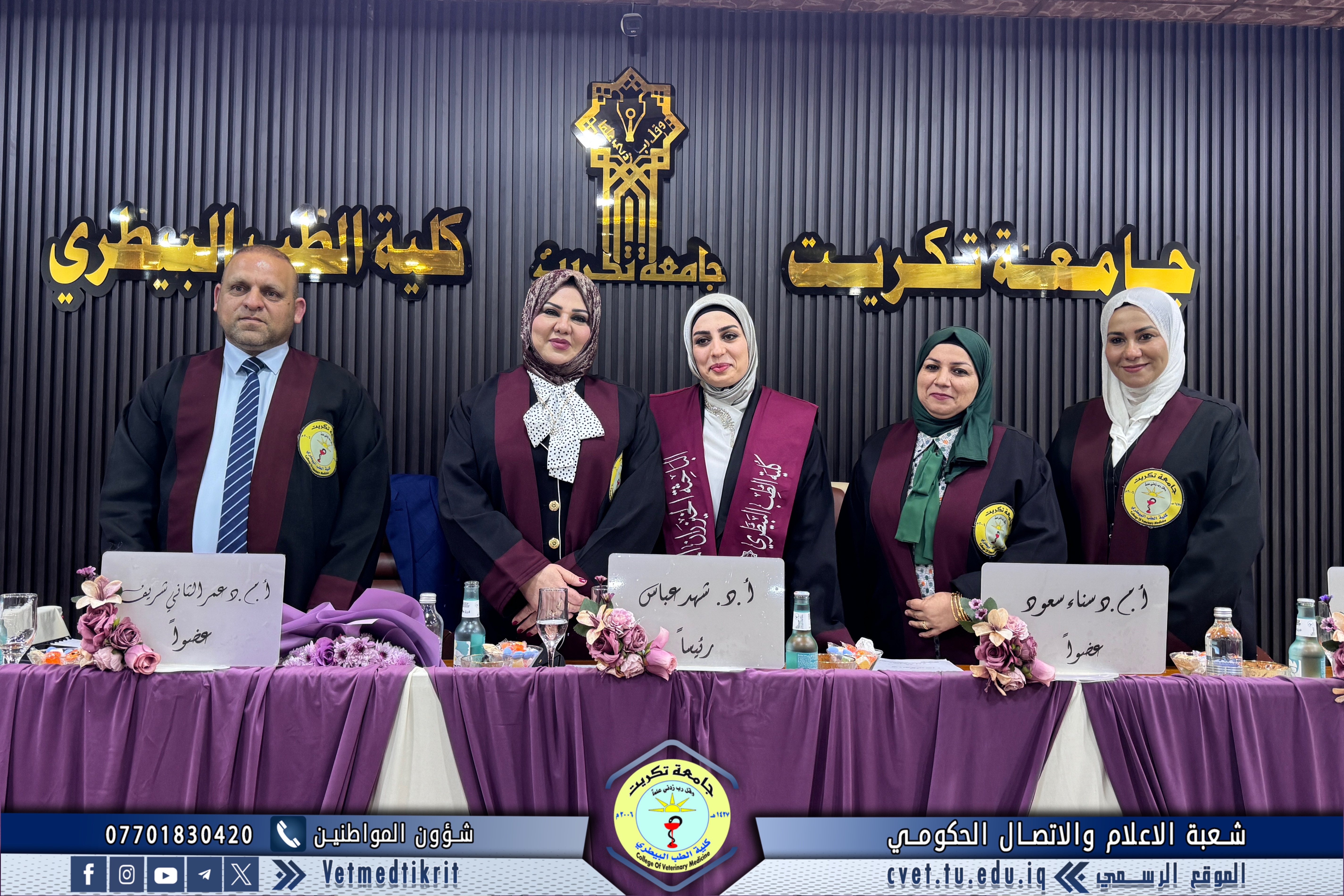
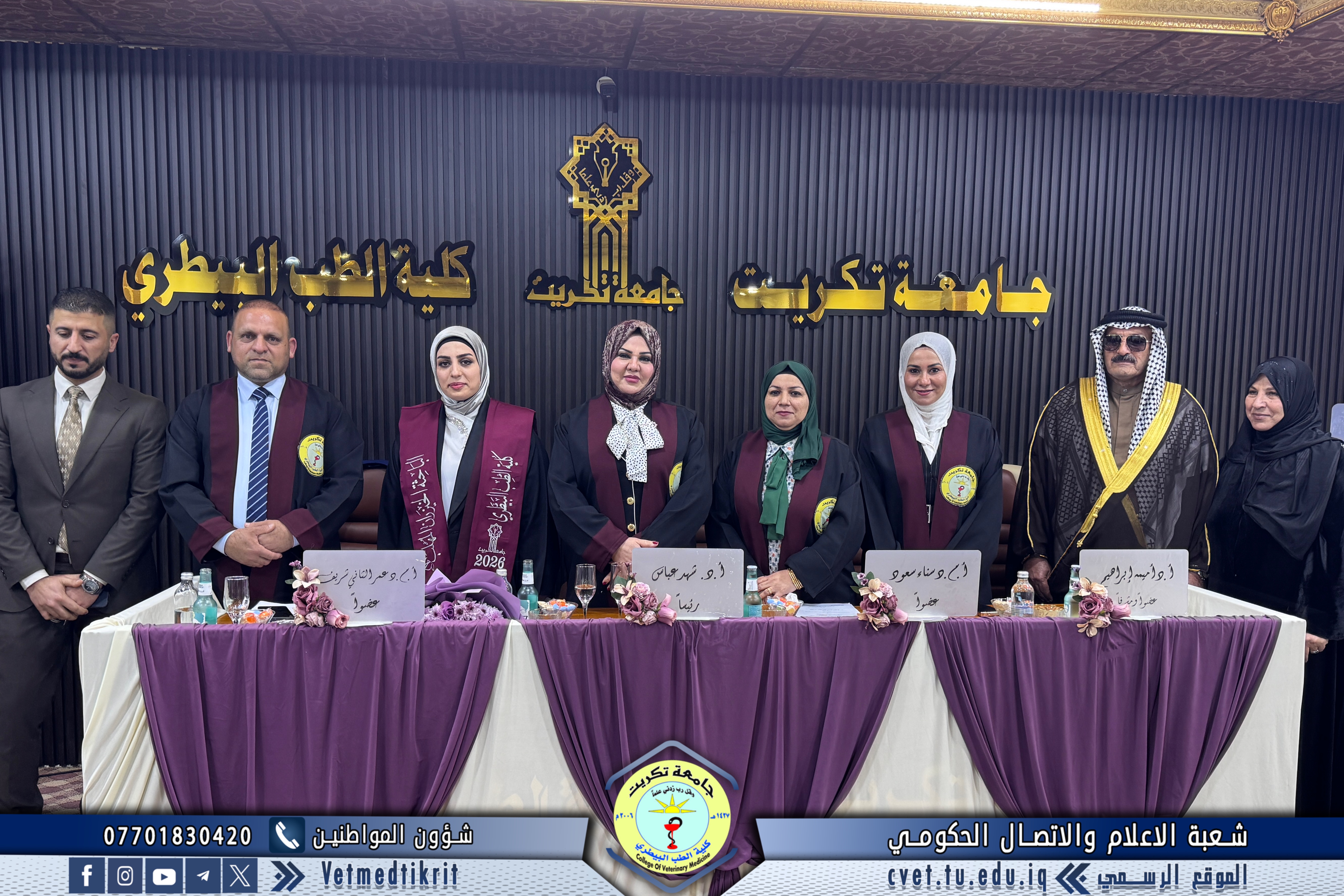
With the grace of Allah, the College of Veterinary Medicine at Tikrit University held the defense of the Master’s thesis entitled:
“Use of Microscopic and Immunological Methods in the Diagnosis of Cryptosporidium parvum Oocysts in Humans and Calves”
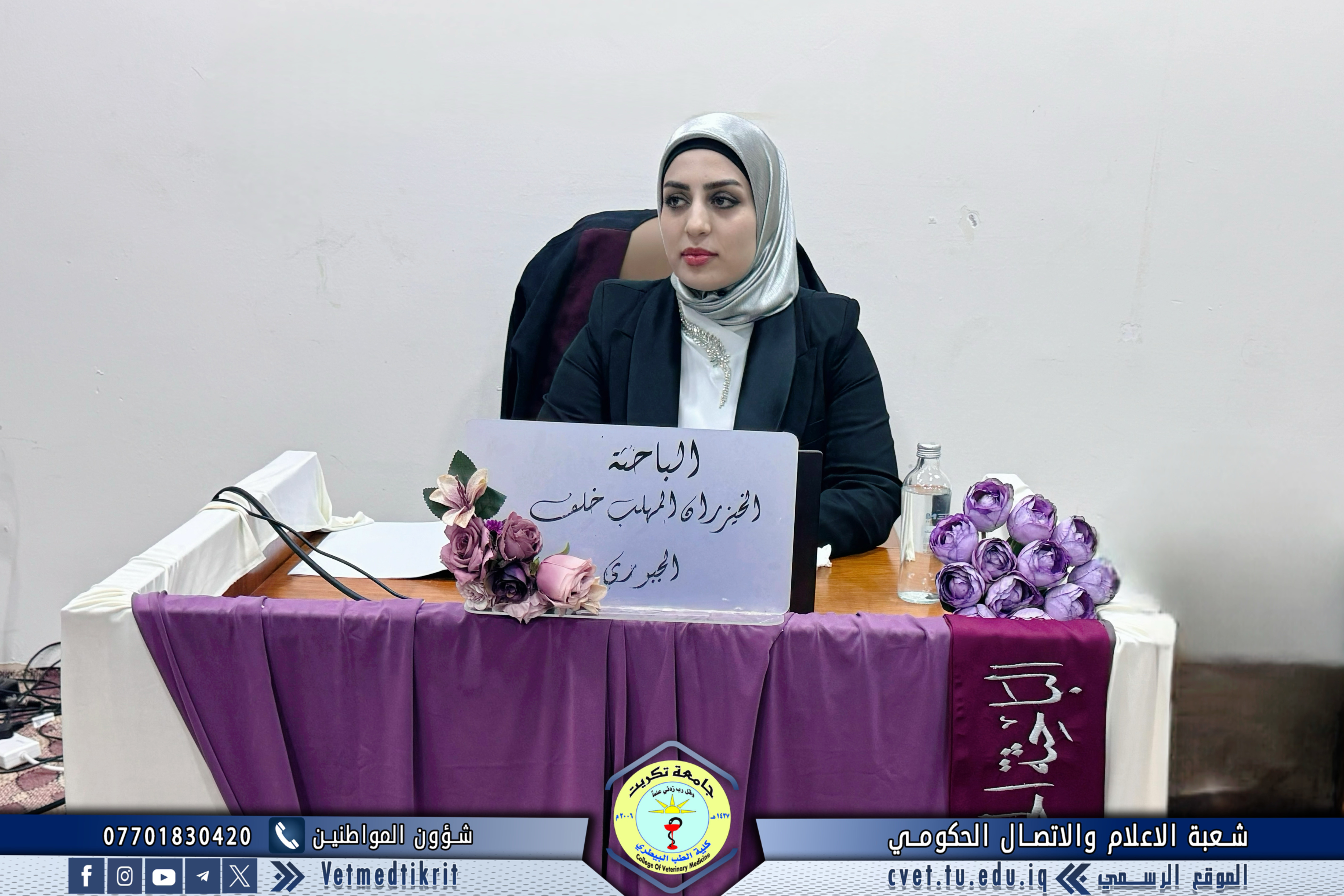
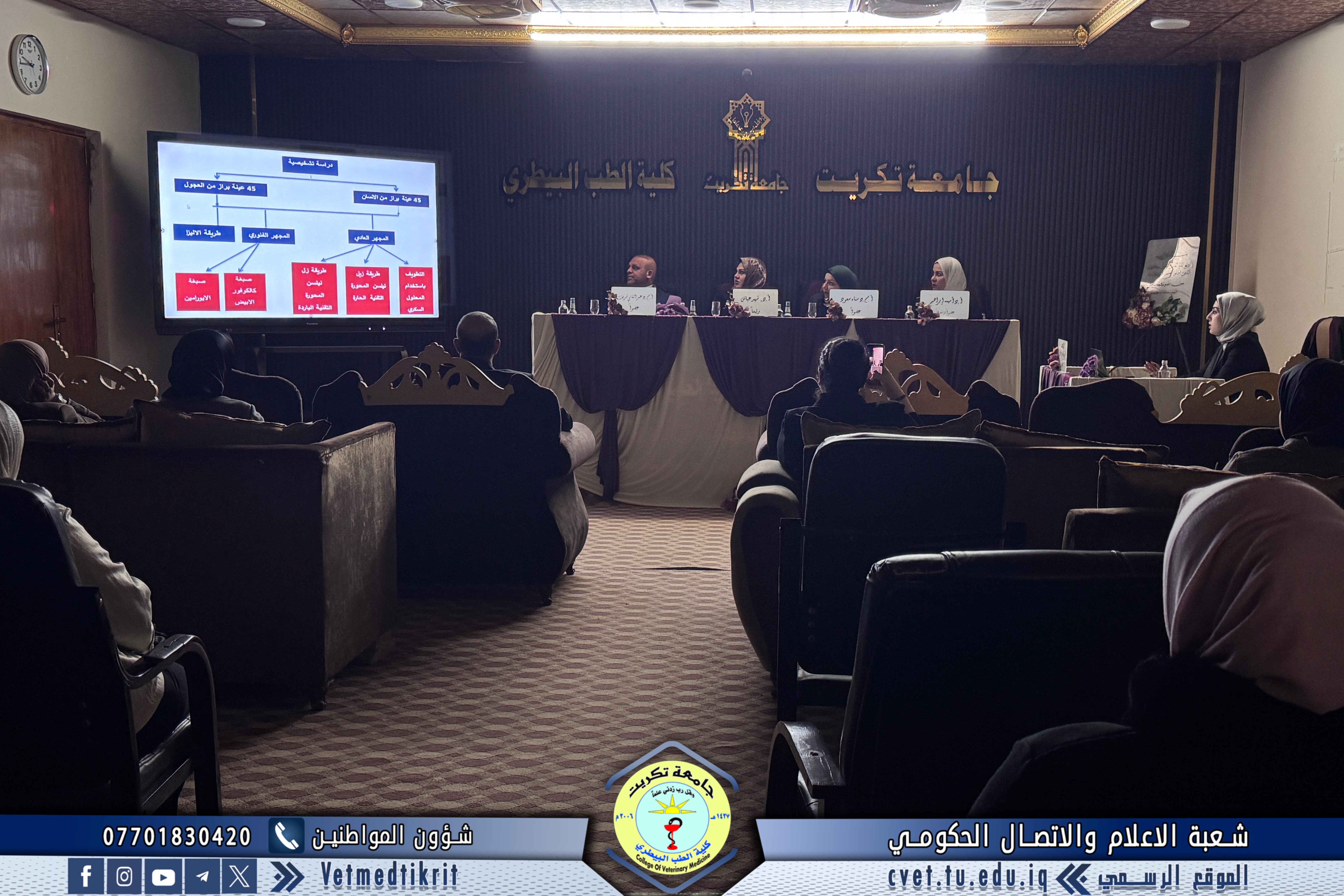
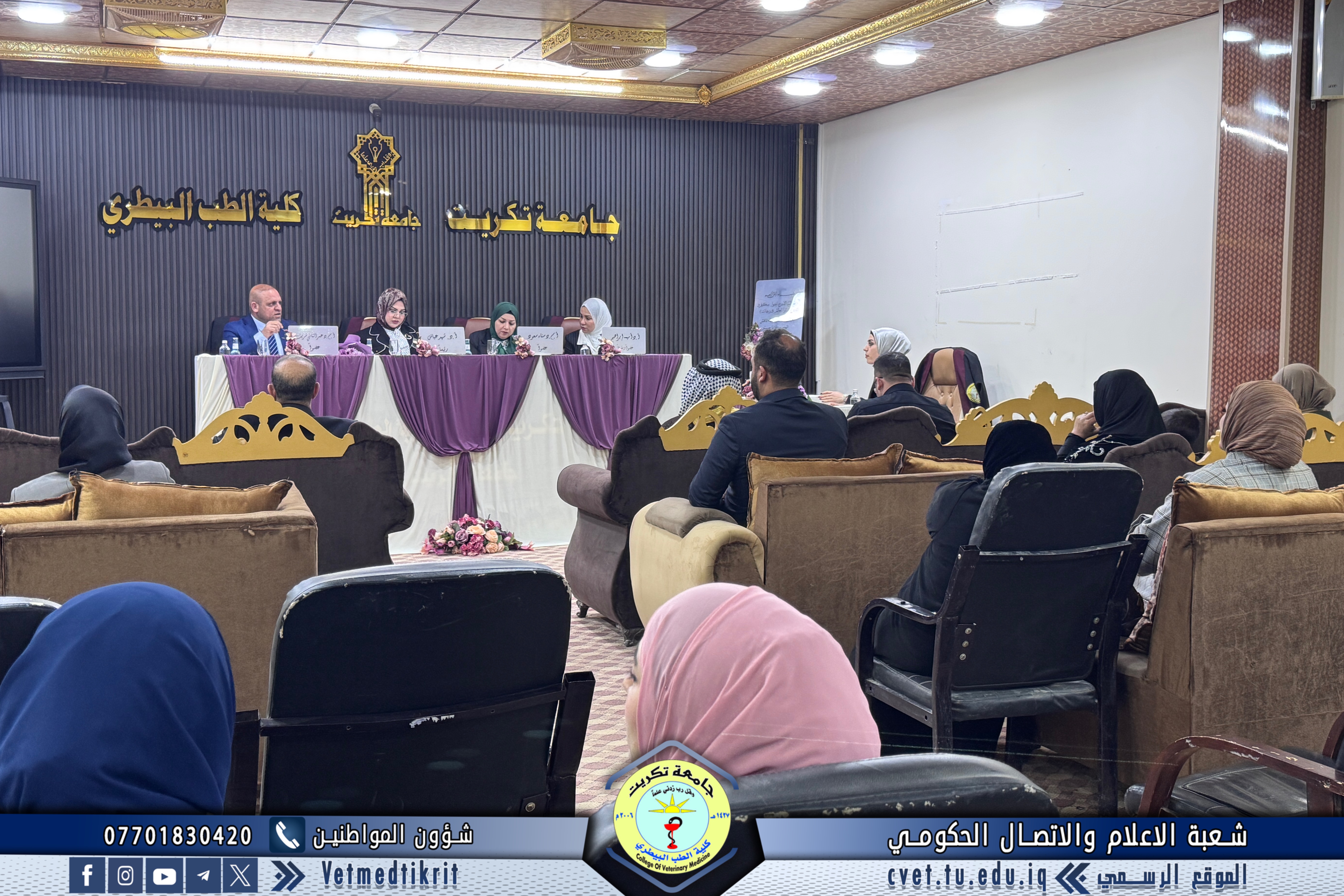
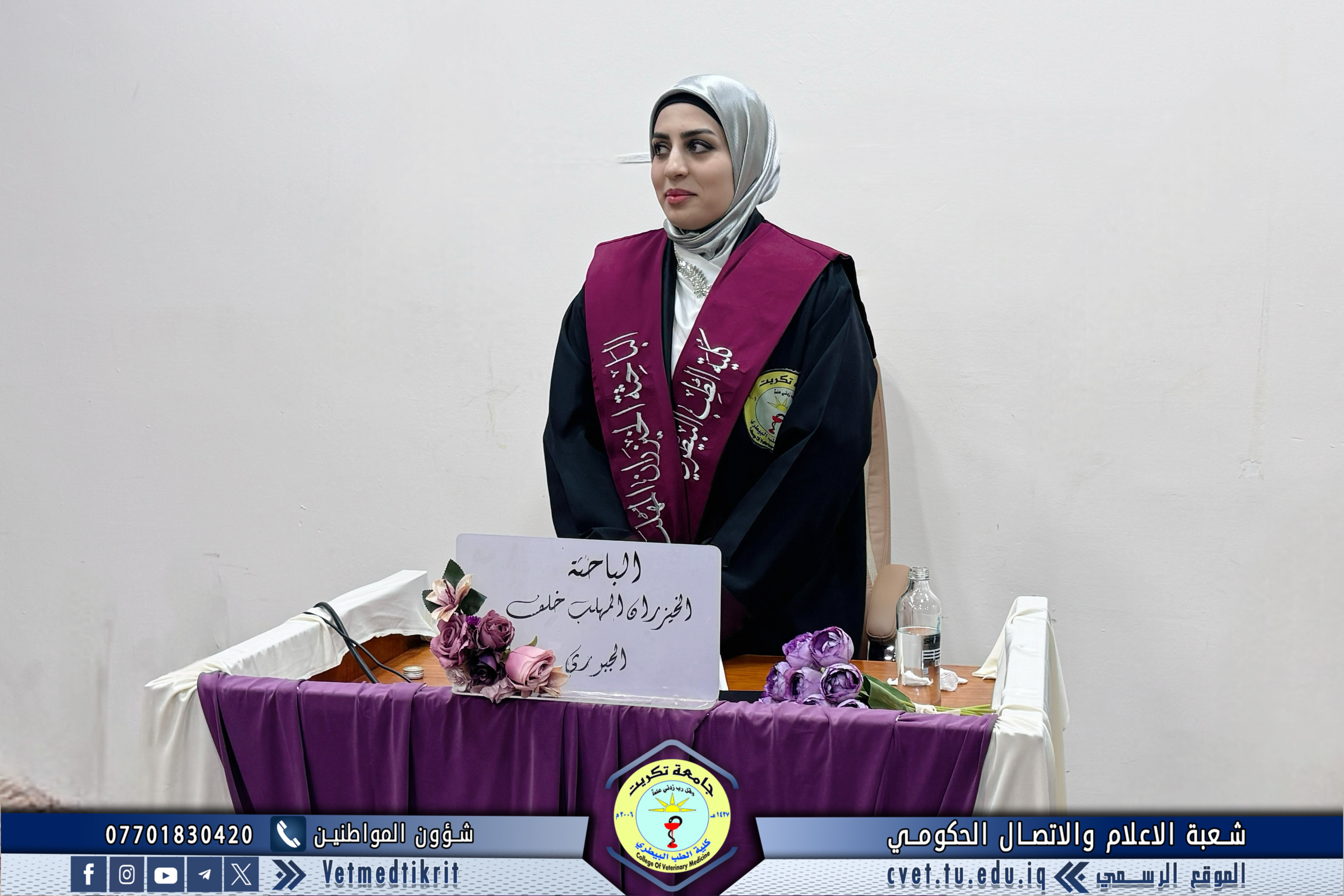
by the student Al-Khizran Al-Muhallab Khalaf Salman, specializing in Microbiology. The defense took place in Dr. Muhannad Maher Hall, in the presence of several faculty members and a number of students.
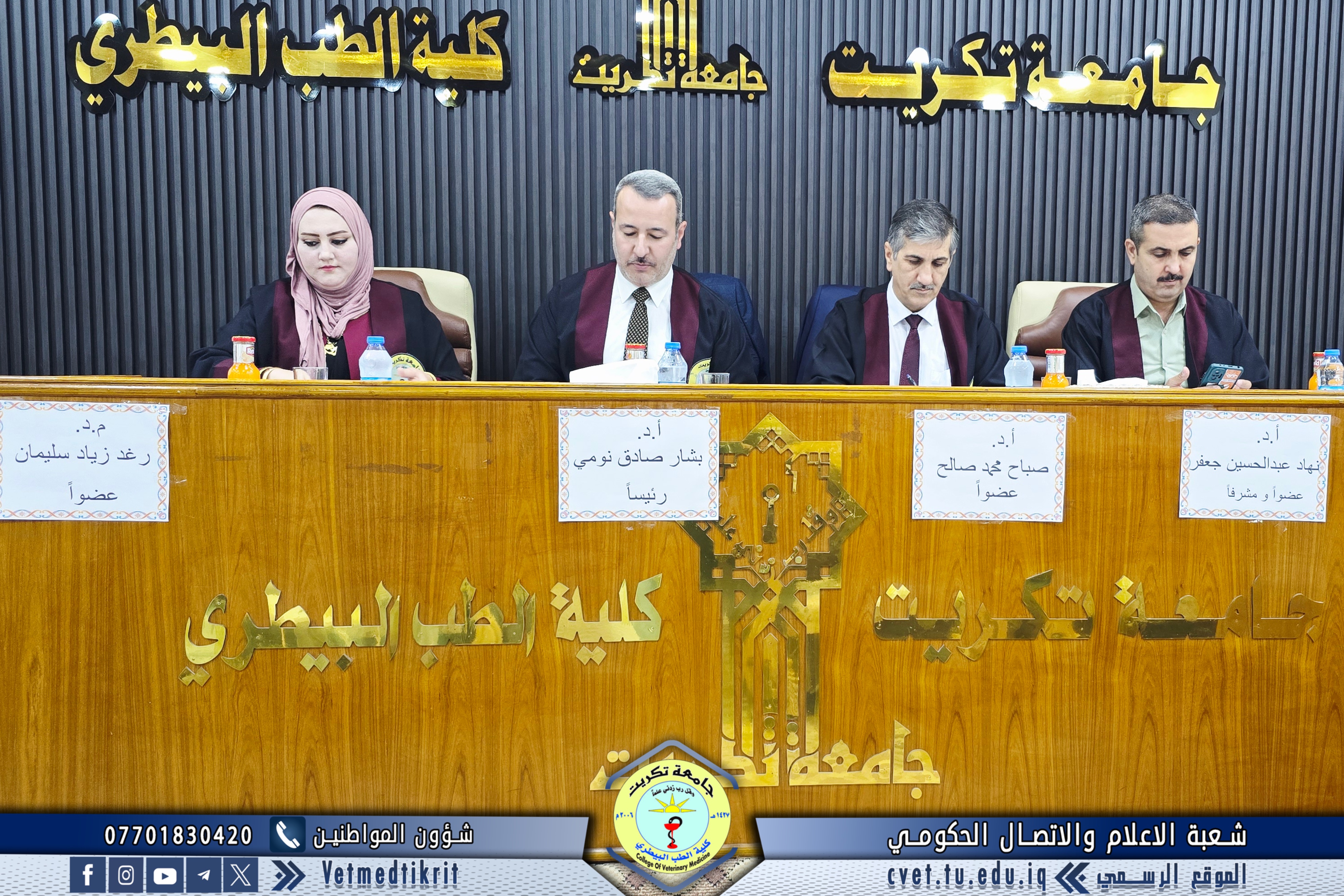
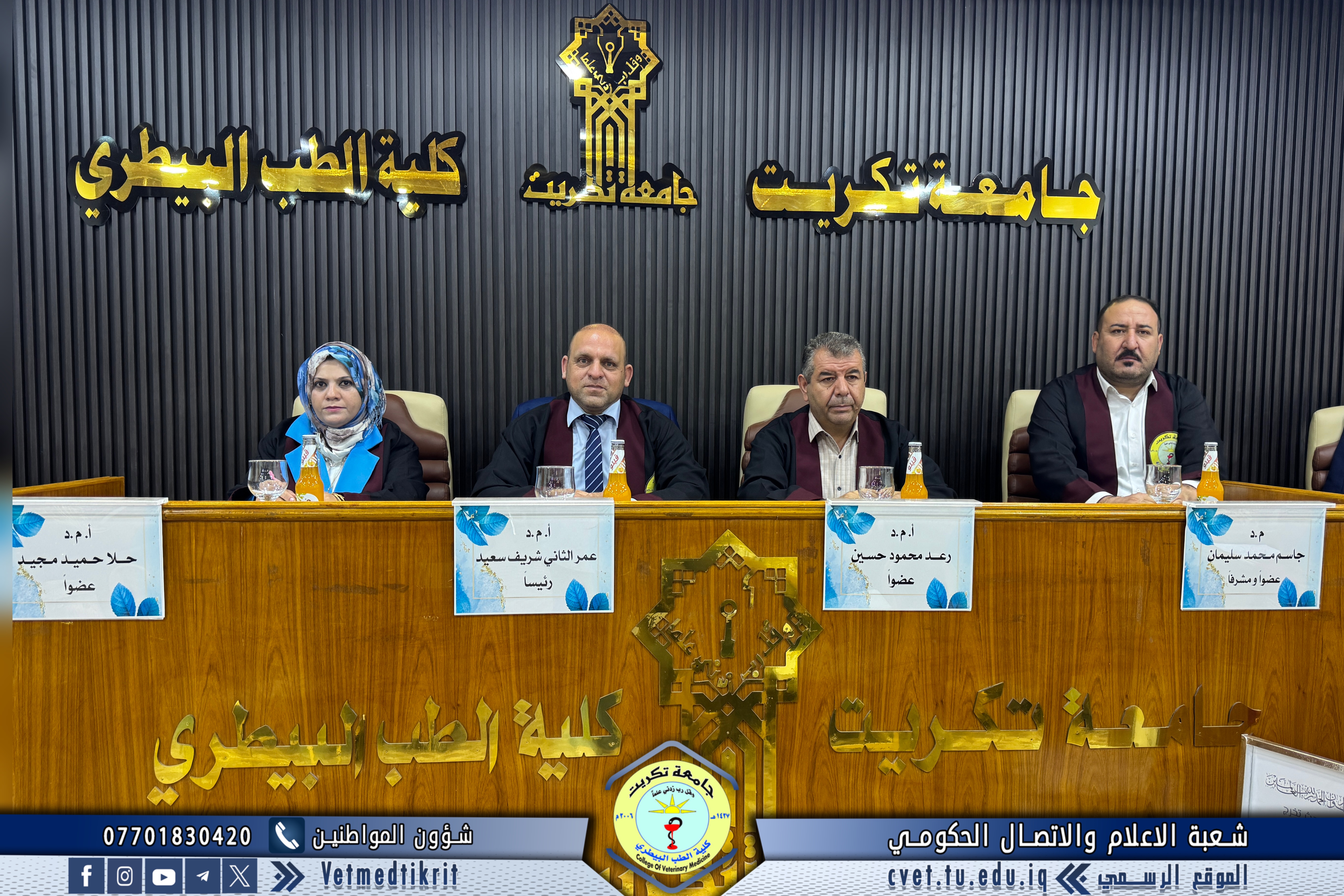
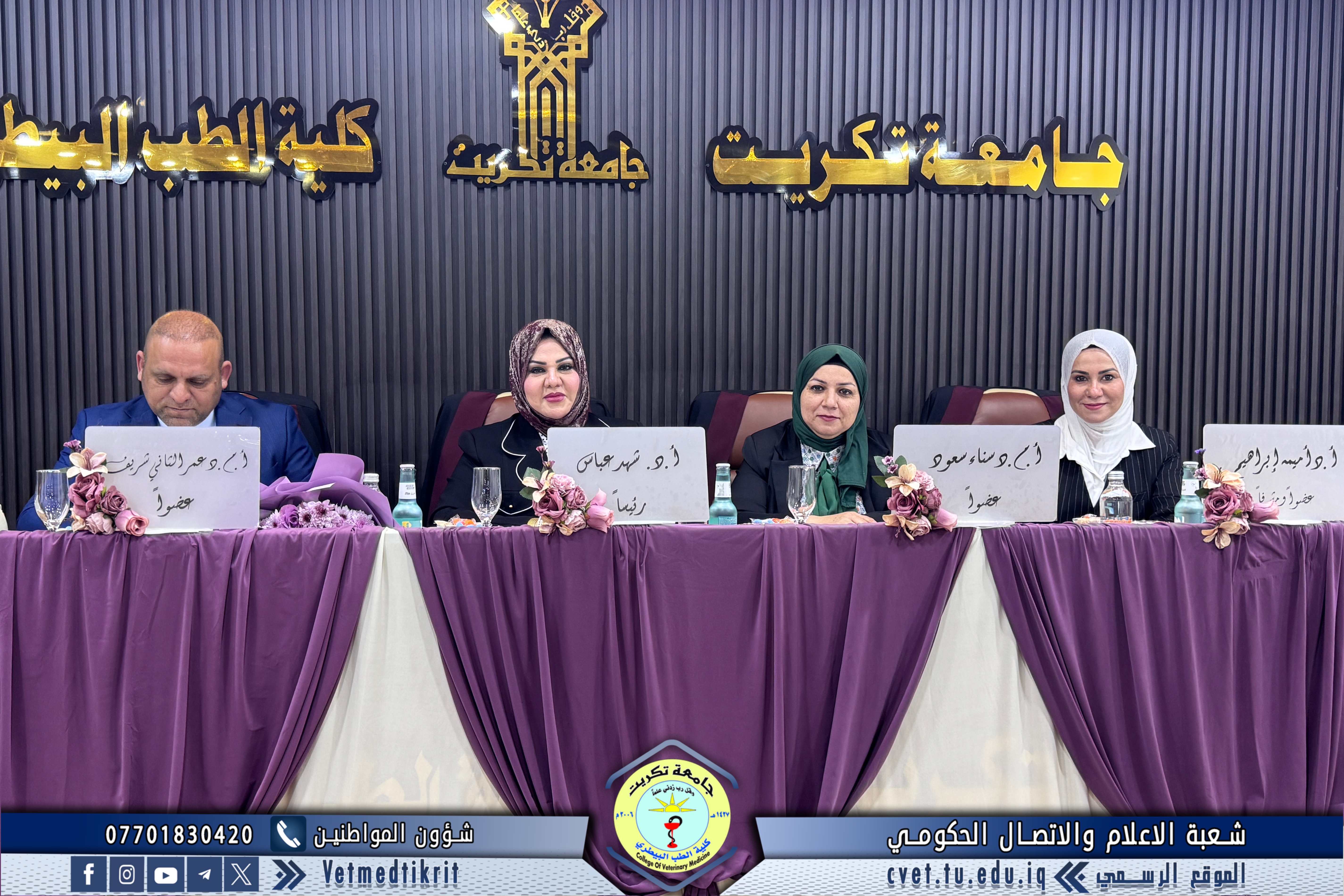
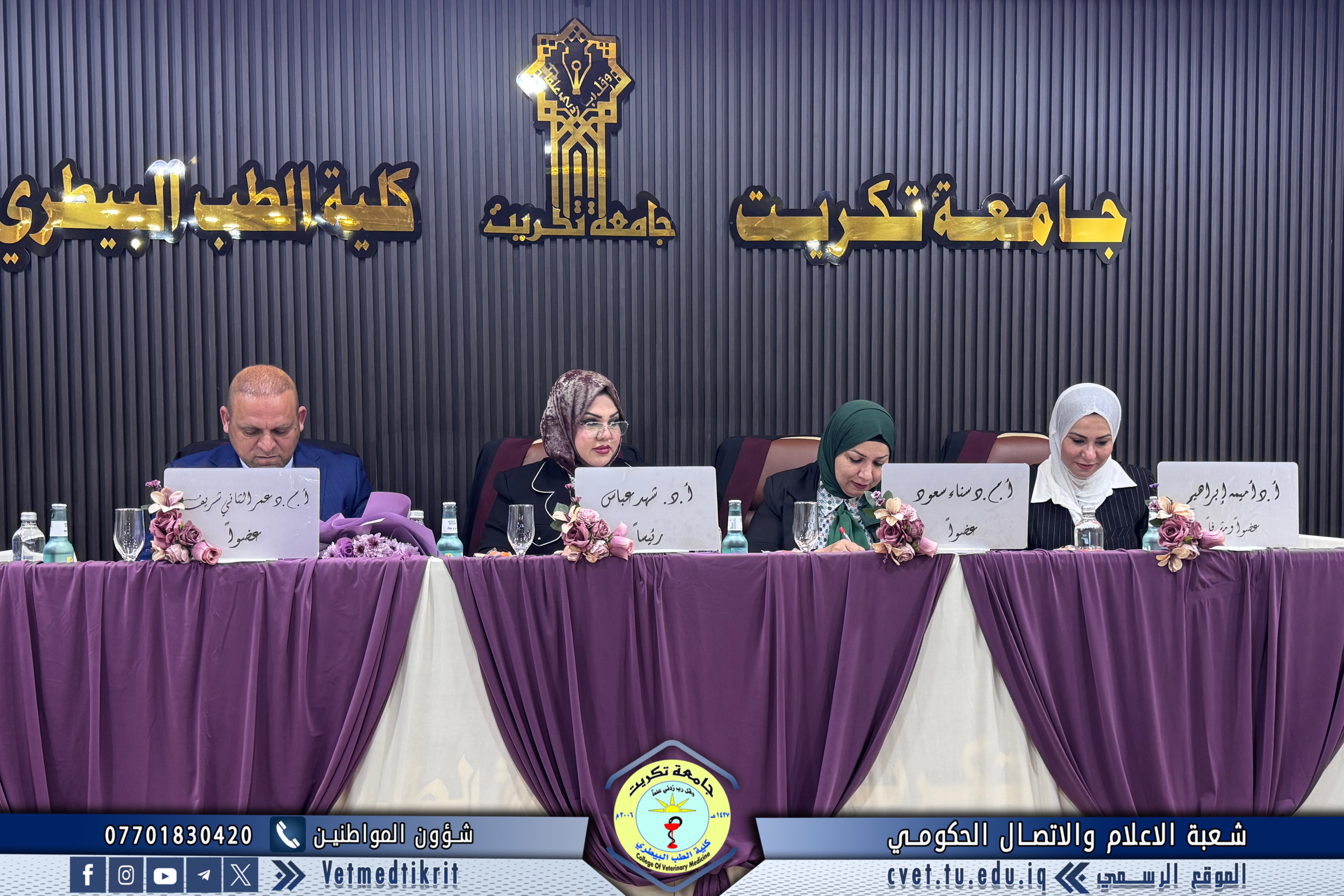
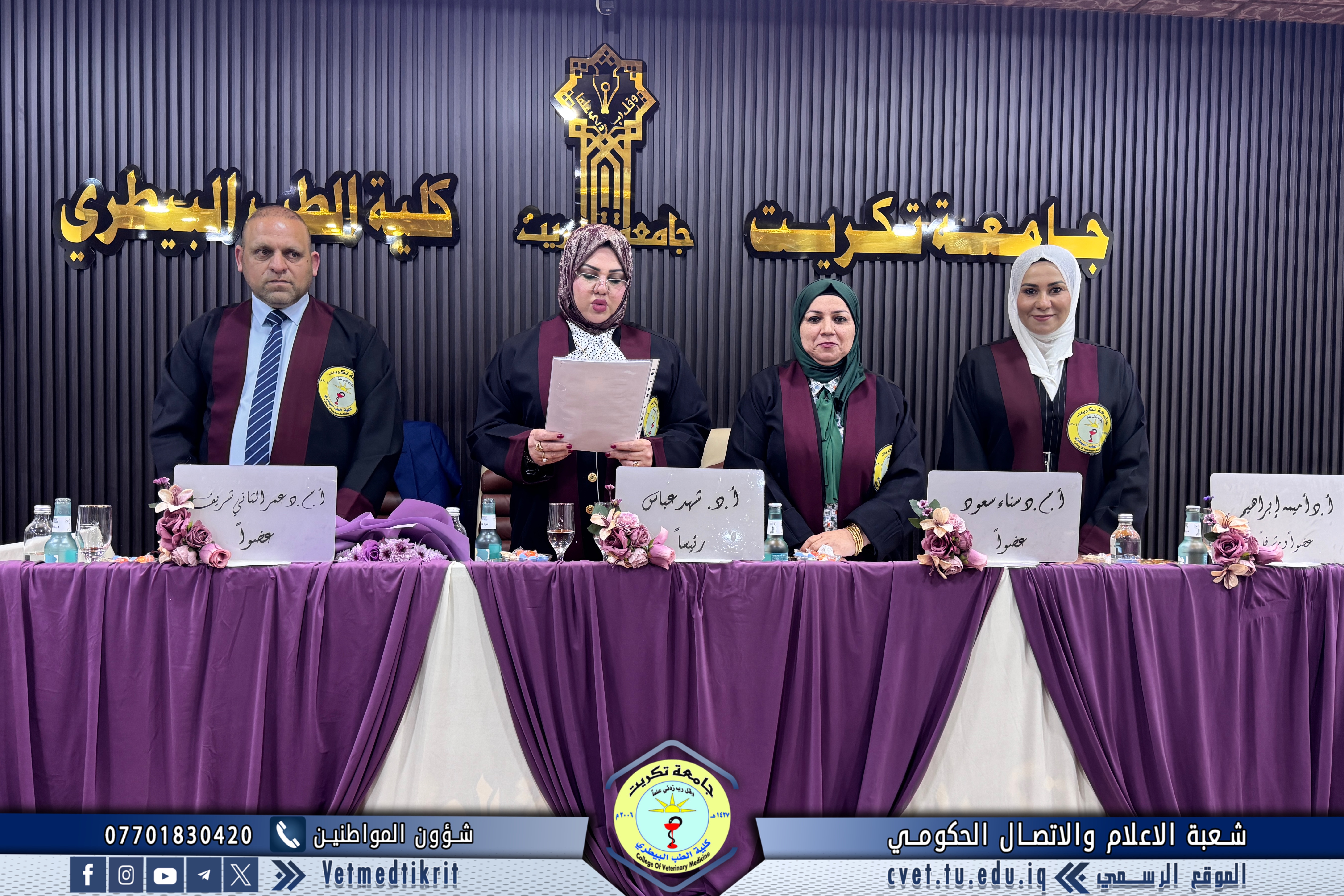
The examination committee consisted of:
-
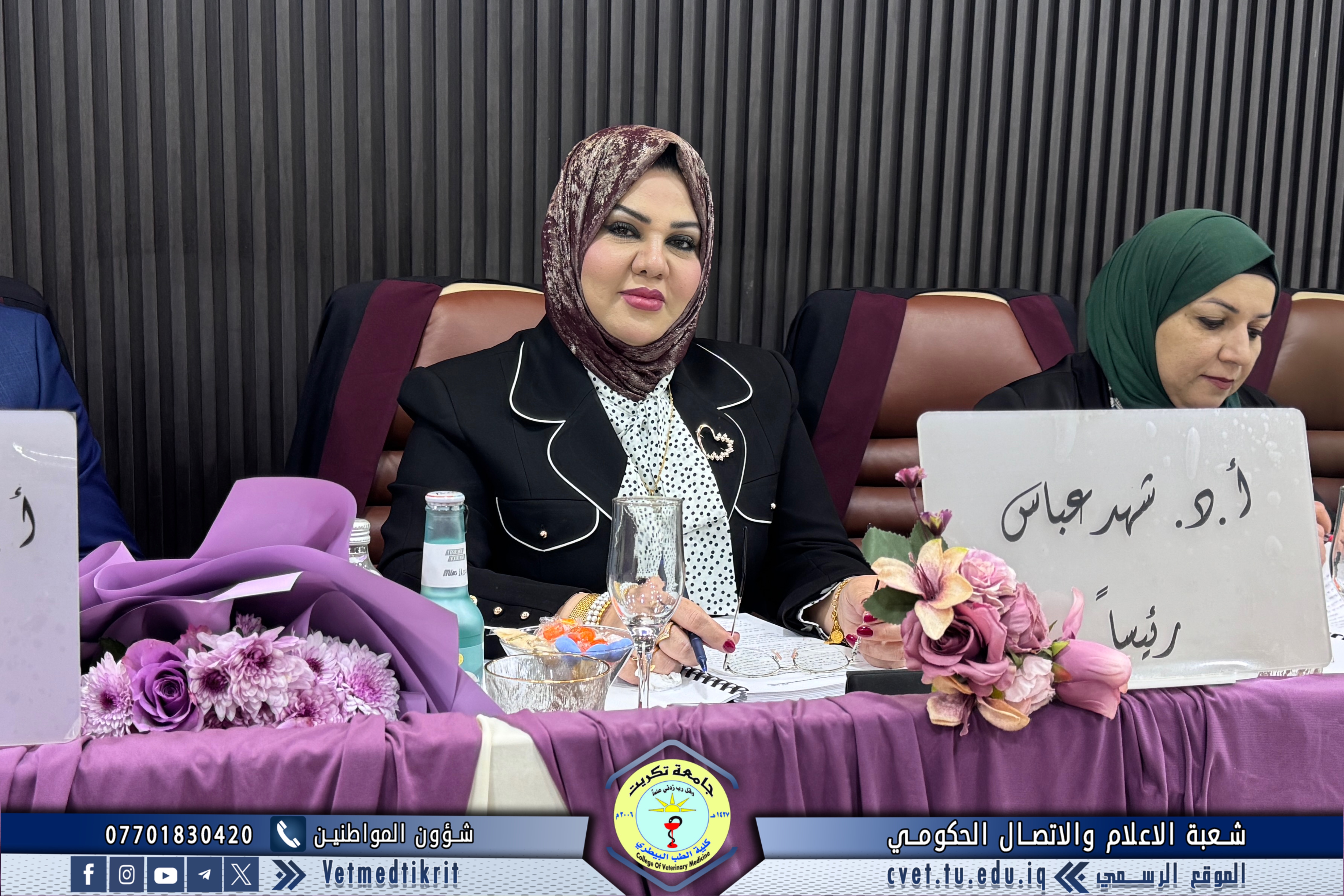
Prof. Dr. Shahd Abbas Ali / Parasitology / University of Kirkuk – College of Veterinary Medicine / Chair
-
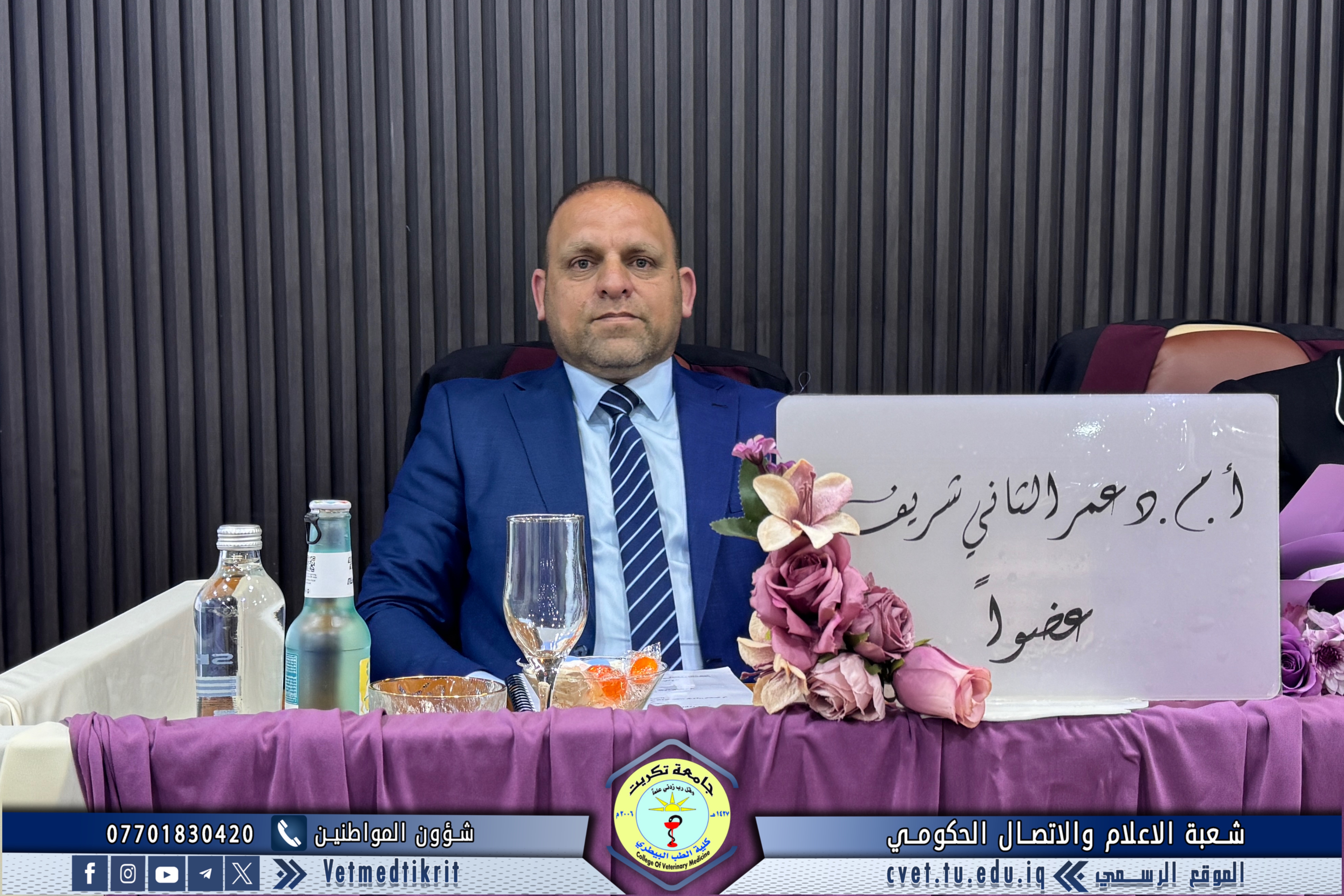
Assist. Prof. Dr. Omar Al-Thani Sharif Saeed / Internal and Preventive Medicine / Tikrit University – College of Veterinary Medicine / Member
-
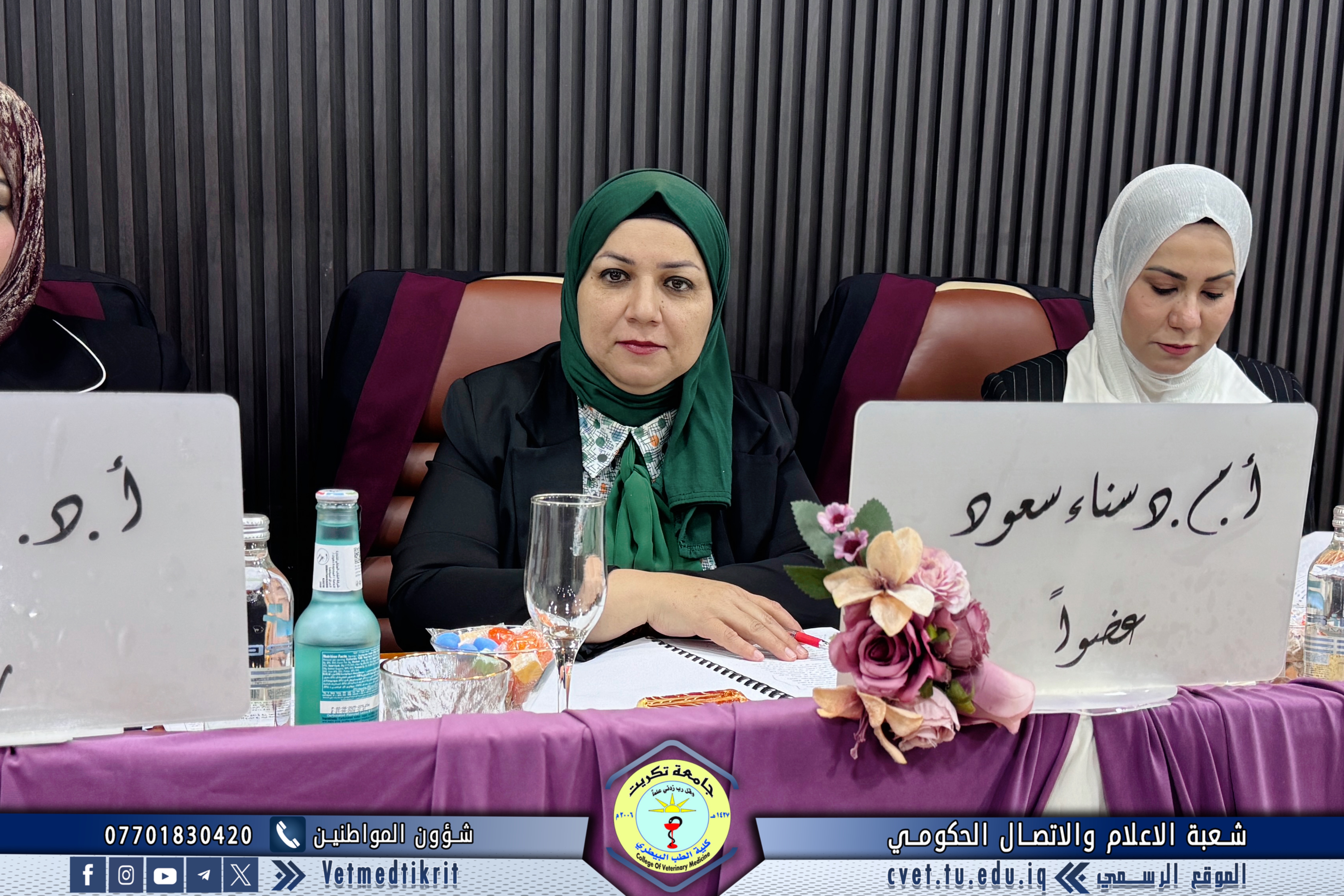
Assist. Prof. Dr. Sanaa Saud Ahmed / Microbiology / Tikrit University – College of Veterinary Medicine / Member
-
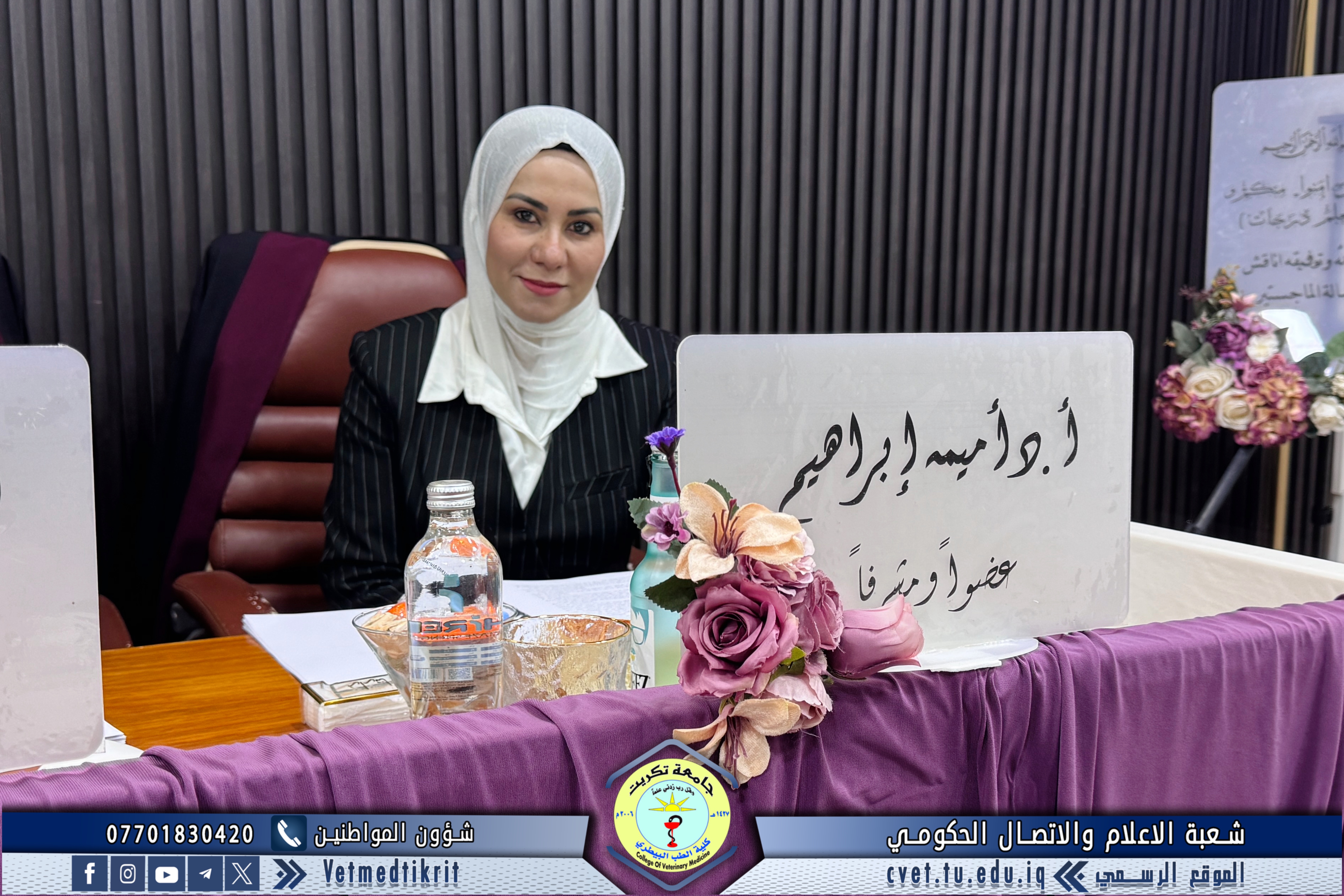
Prof. Dr. Omaima Ibrahim Mahmoud / Parasitology / Tikrit University – College of Veterinary Medicine / Member and Supervisor
The study aimed to evaluate infection rates of Cryptosporidium parvum in humans and calves in Salah Al-Din Province and to compare the efficiency of several microscopic and immunological diagnostic techniques for its detection. The research was conducted in two phases. In the first phase, 45 human stool samples were collected from children aged one day to five years from Tikrit Teaching Hospital, Baiji General Hospital, and Al-Duluiya General Hospital, in addition to 45 samples from calves aged two weeks to five years. The epidemiological study was then expanded to include 200 human samples and 200 calf samples collected between September 2024 and May 2025.
The researcher employed several laboratory diagnostic techniques, including sugar flotation, Modified Ziehl–Neelsen staining (hot and cold methods), fluorescent stains (Auramine–Phenol and Calcofluor White), in addition to the ELISA test, which was used as a reference standard to determine sensitivity and specificity.
The results demonstrated the superiority of the ELISA test in detecting infections, achieving 100% sensitivity and specificity in both children and calf samples, confirming its high reliability for accurate diagnosis. The study also showed that fluorescent staining methods yielded relatively good sensitivity and specificity, making them practical options for laboratories with limited resources. In contrast, the flotation method and Ziehl–Neelsen staining exhibited lower sensitivity despite their high specificity.
Epidemiologically, no significant differences were observed between genders; however, infection was clearly associated with age. The highest infection rates were recorded among infants under six months of age, followed by those aged 7–12 months, with a noticeable decline in older age groups.
The study highlights the importance of adopting precise immunological diagnostic methods for detecting the parasite, alongside strengthening preventive programs and healthcare for younger age groups who are more susceptible to infection, thereby contributing to reducing disease transmission and protecting both public and animal health.