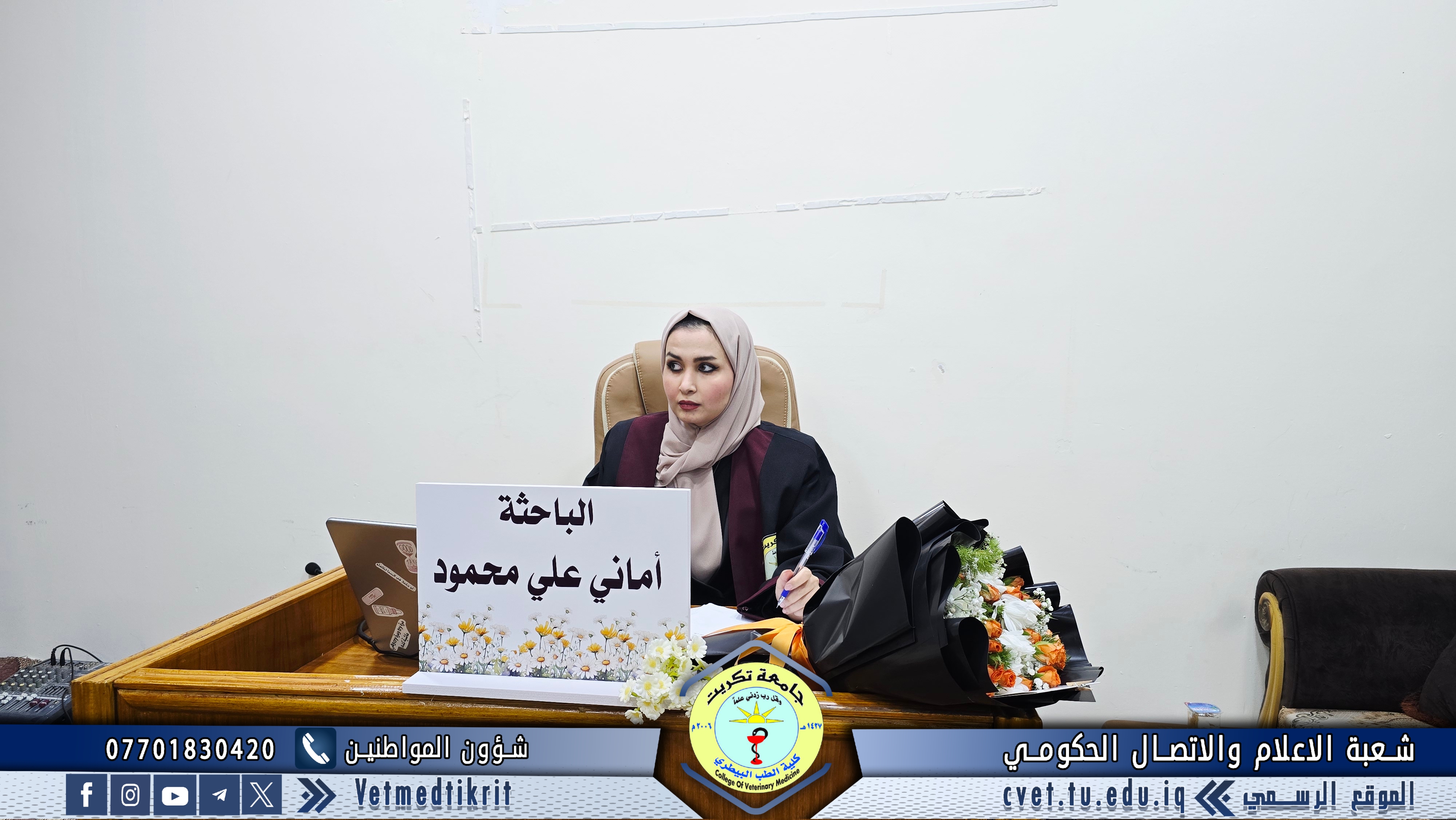
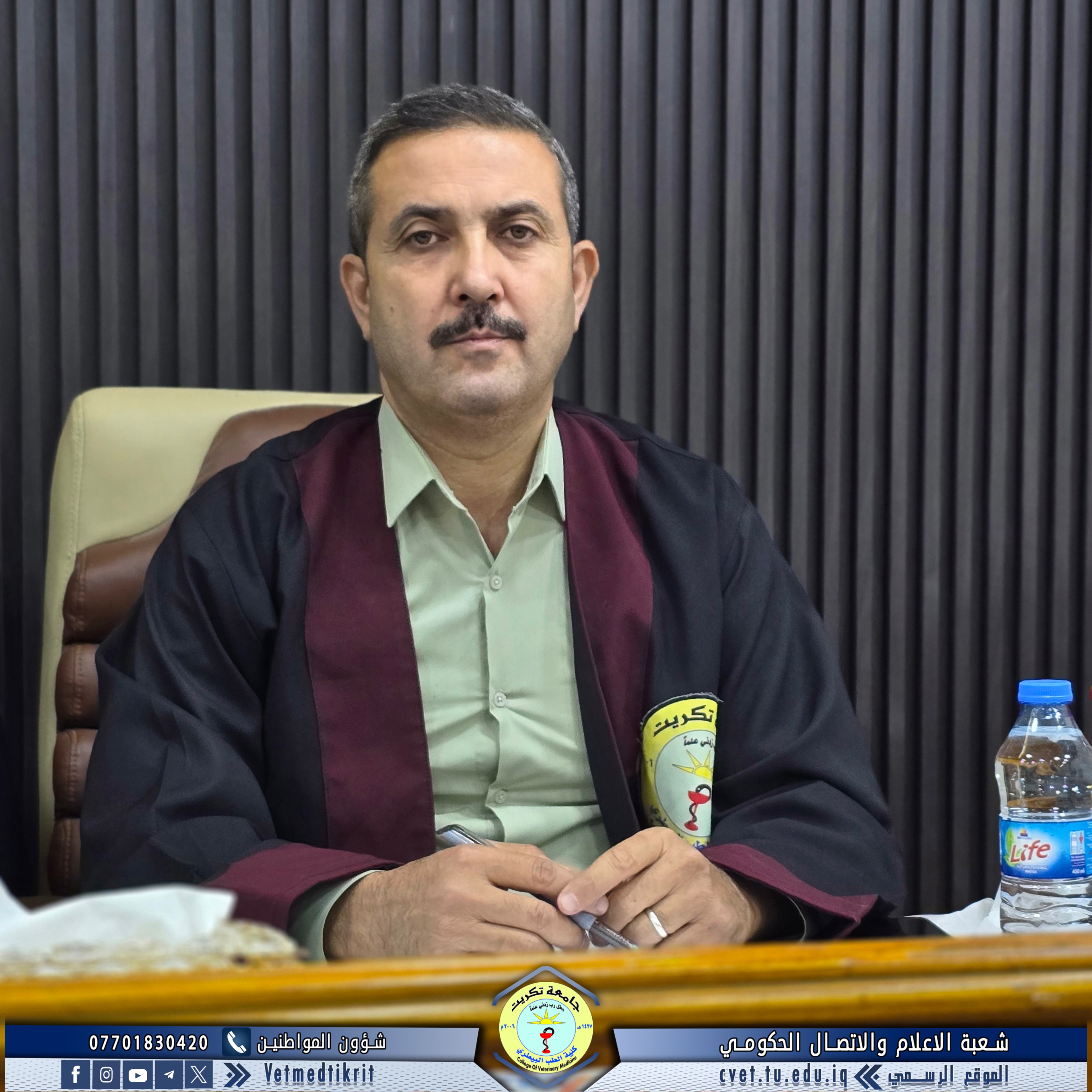
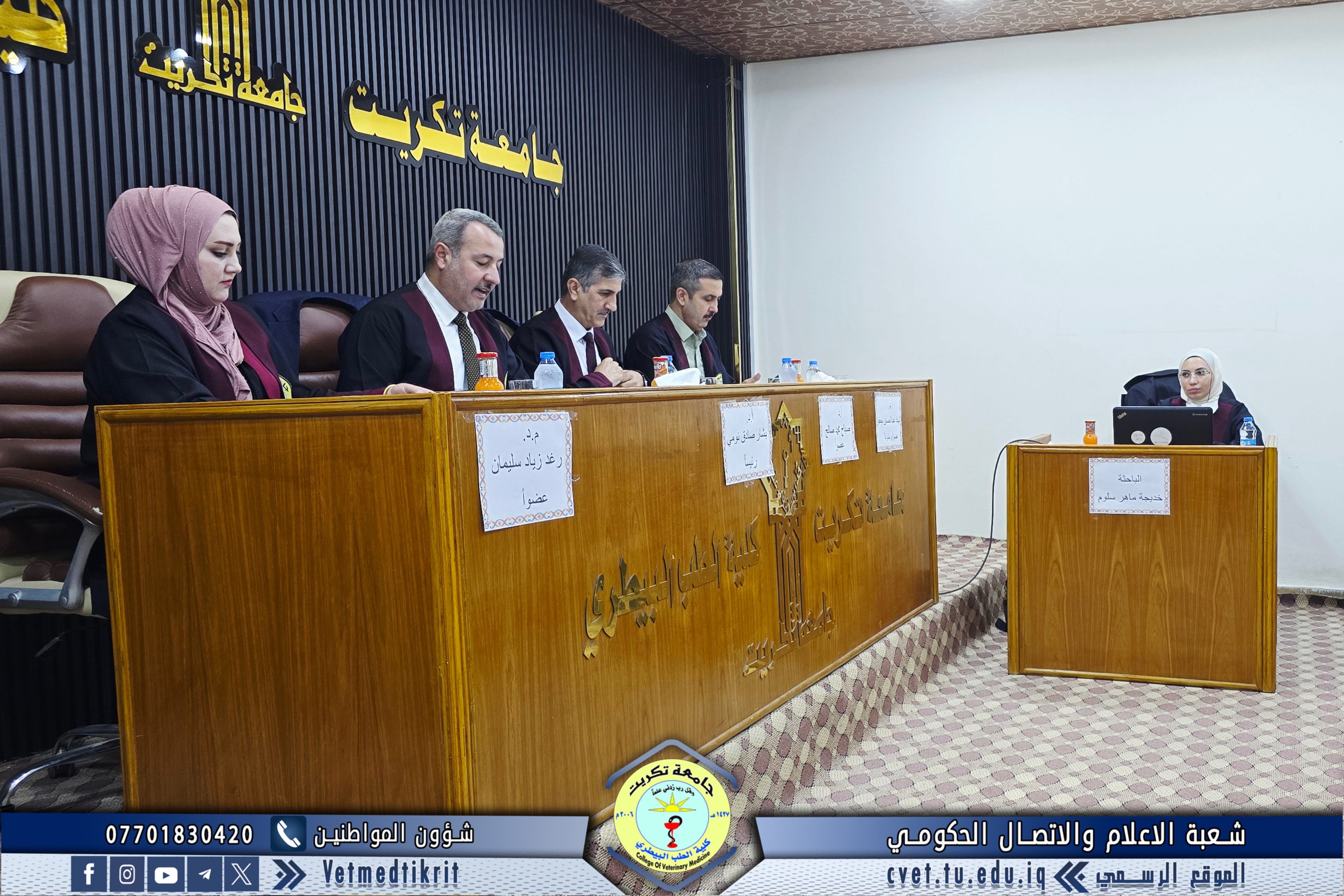
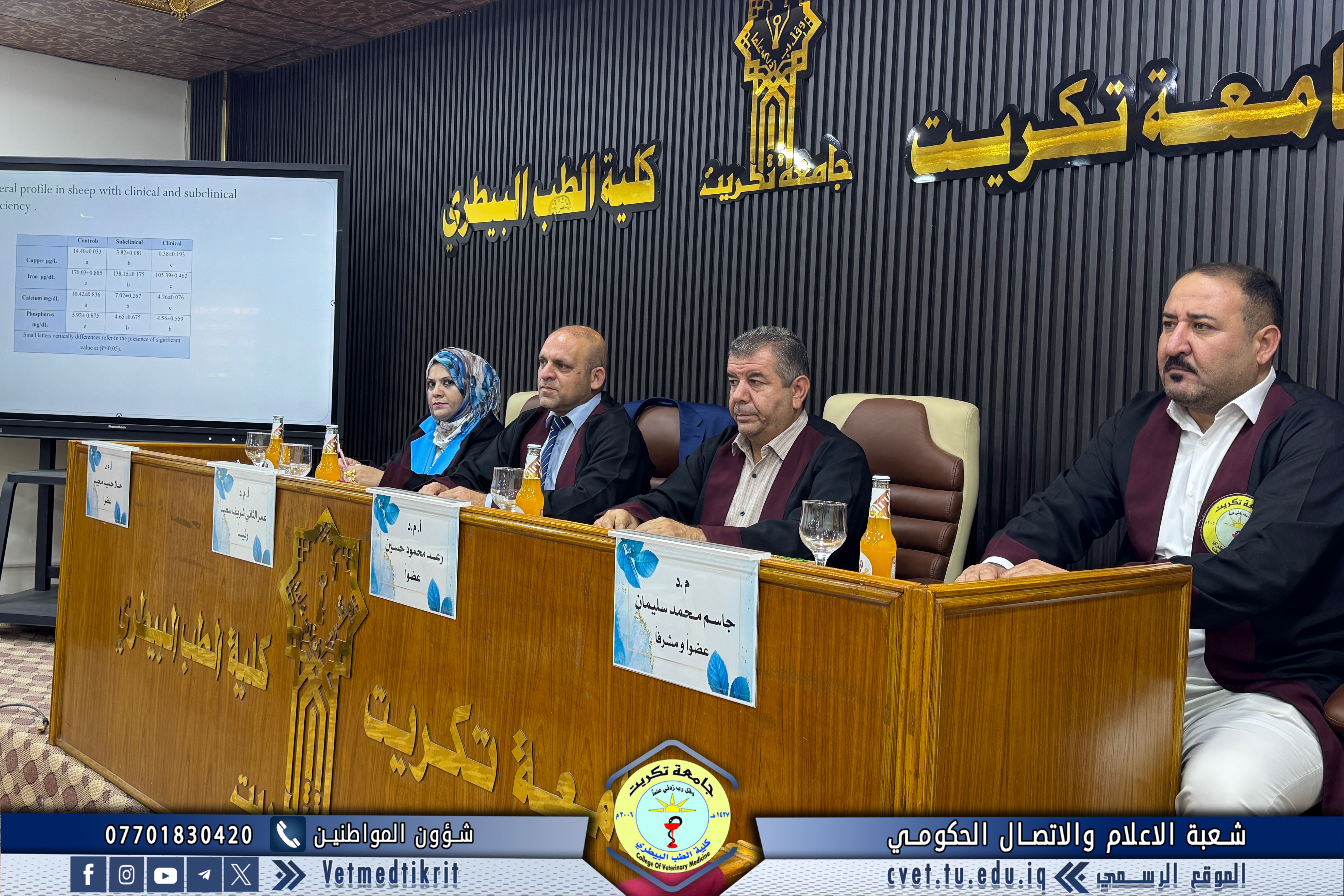
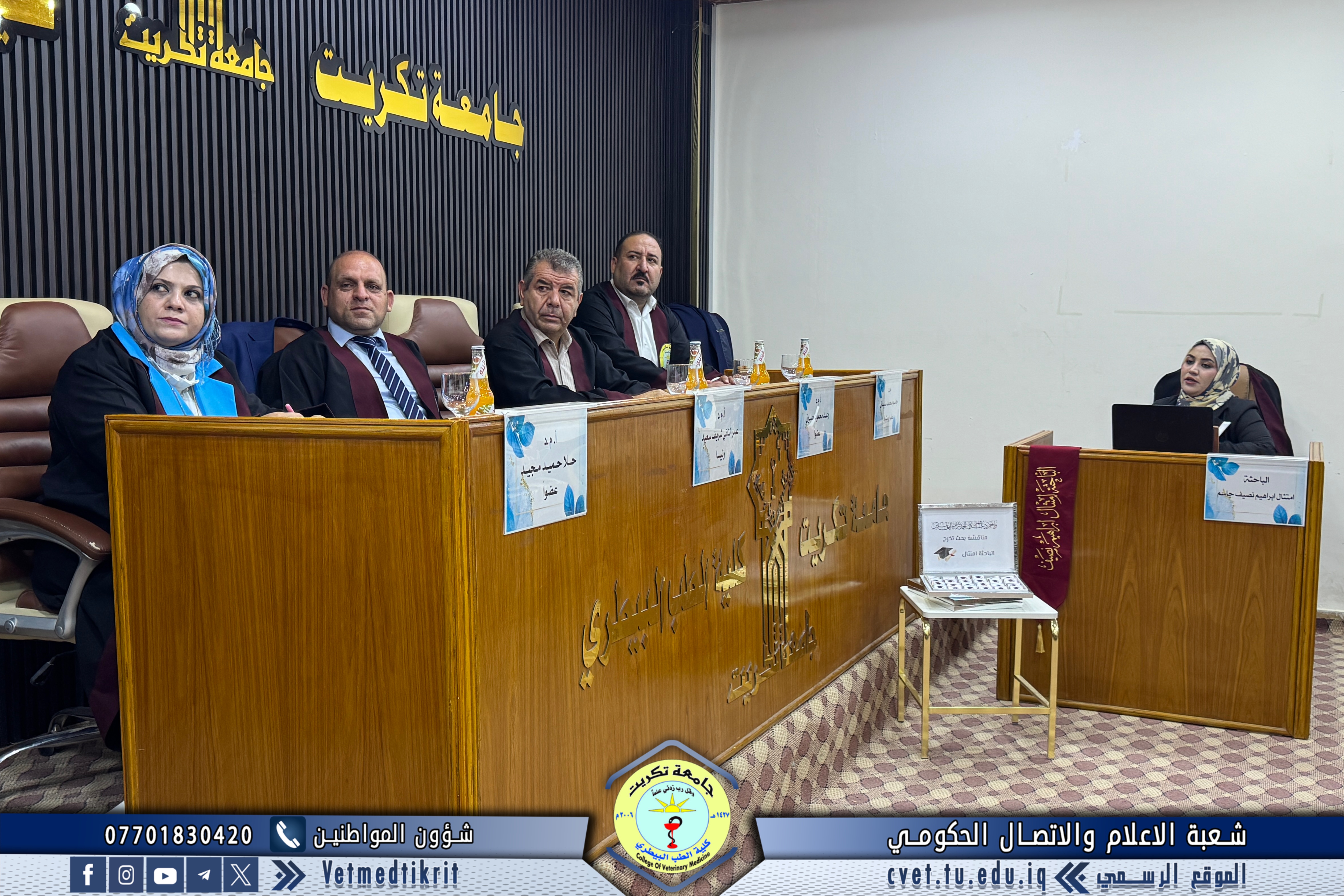
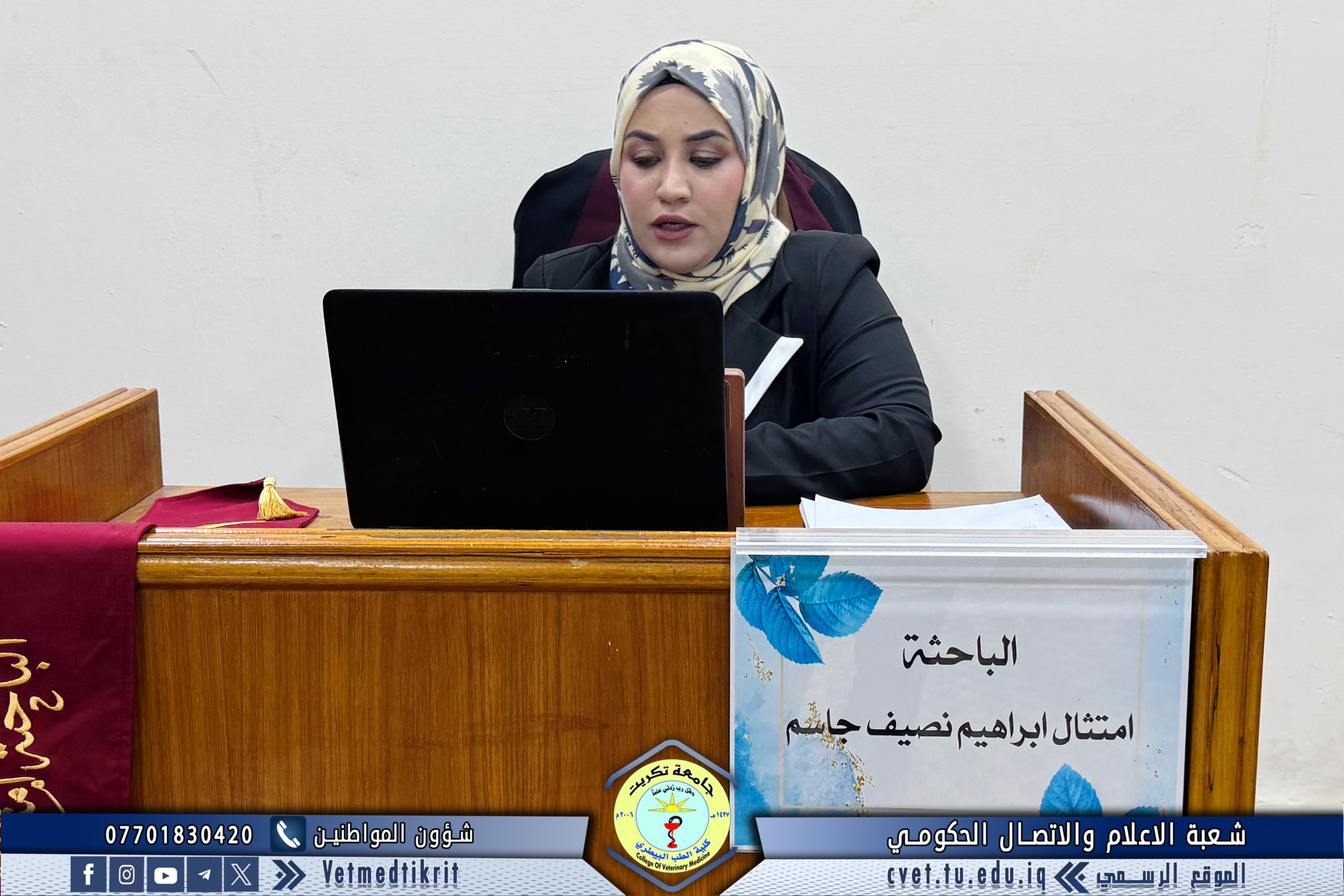
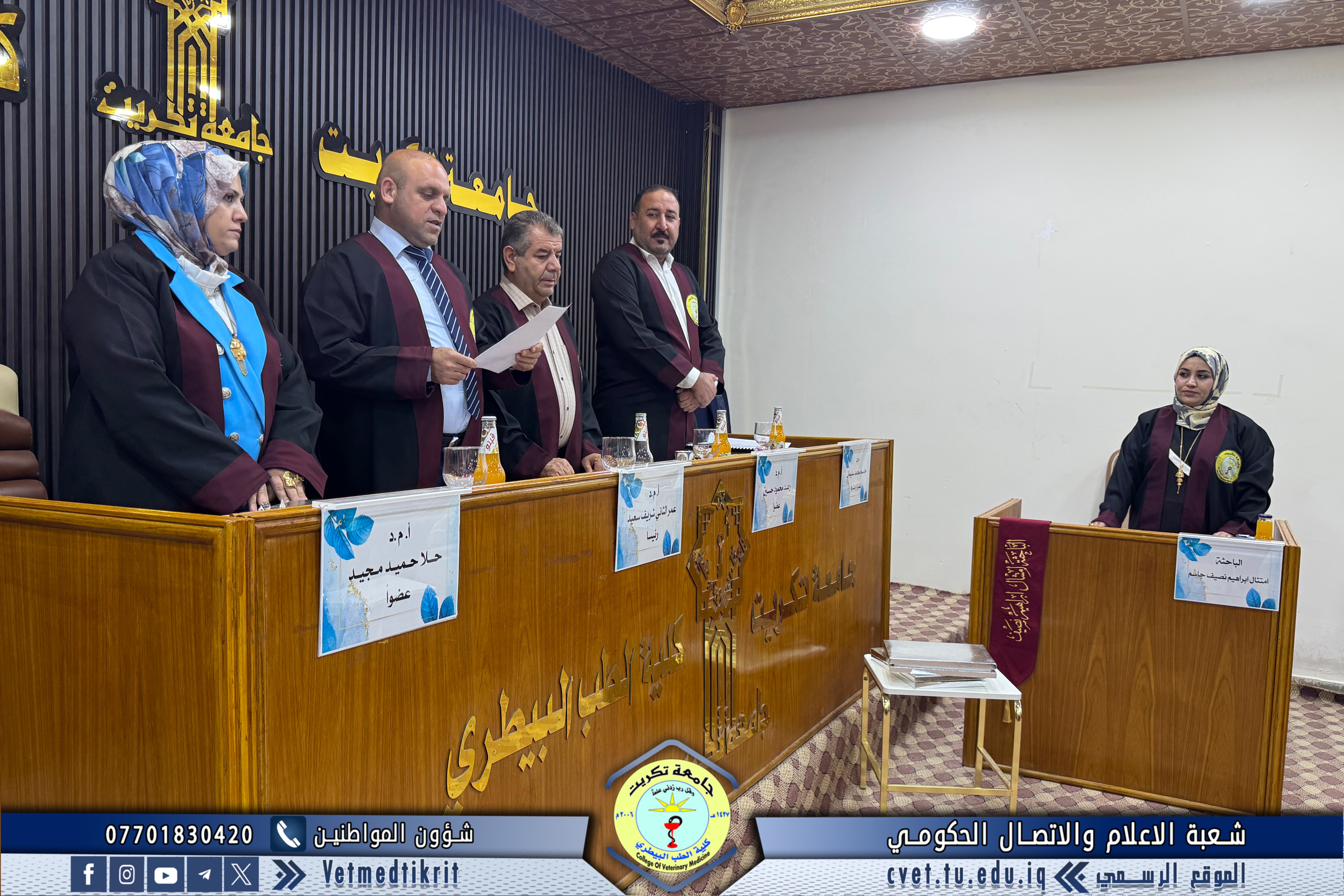
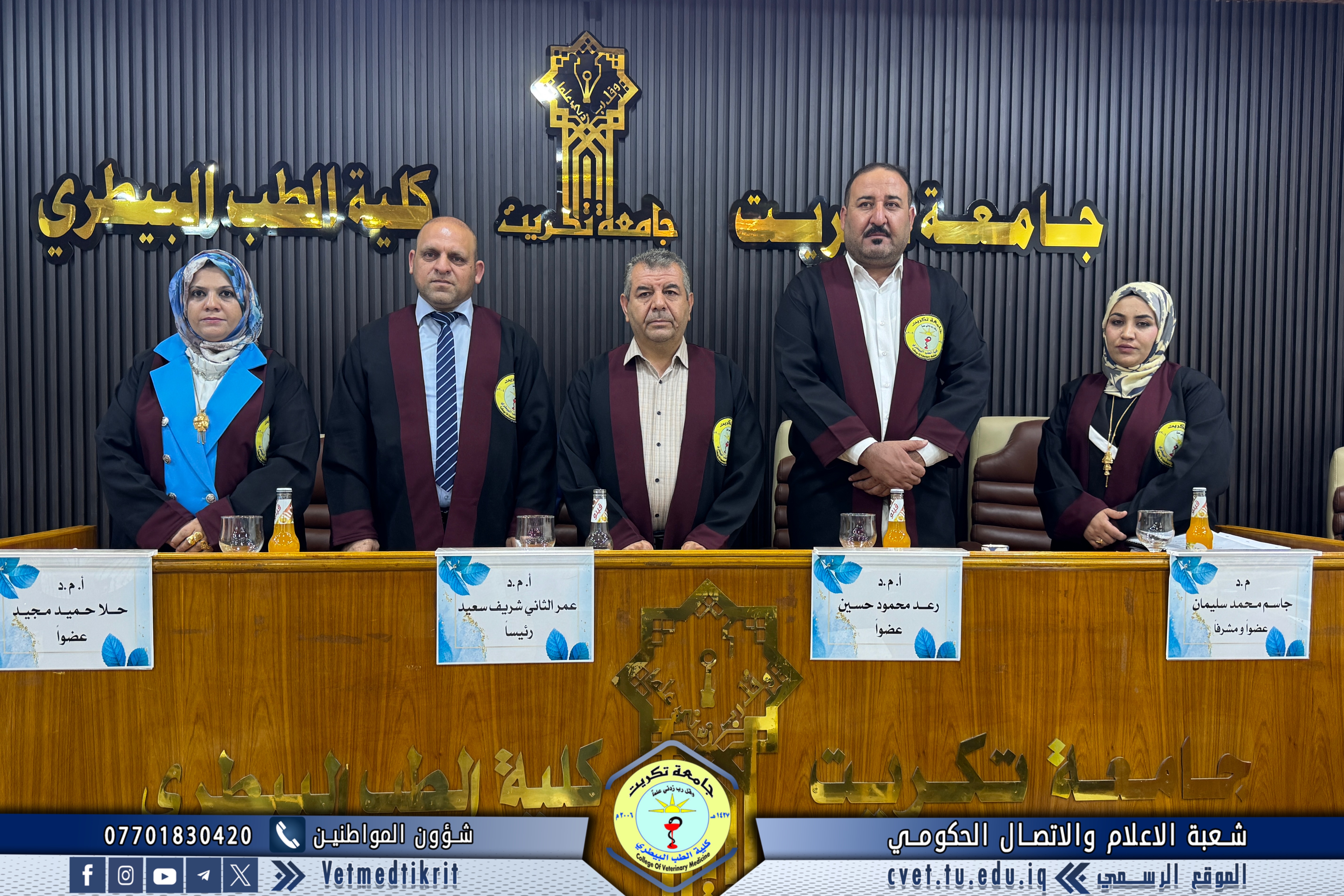
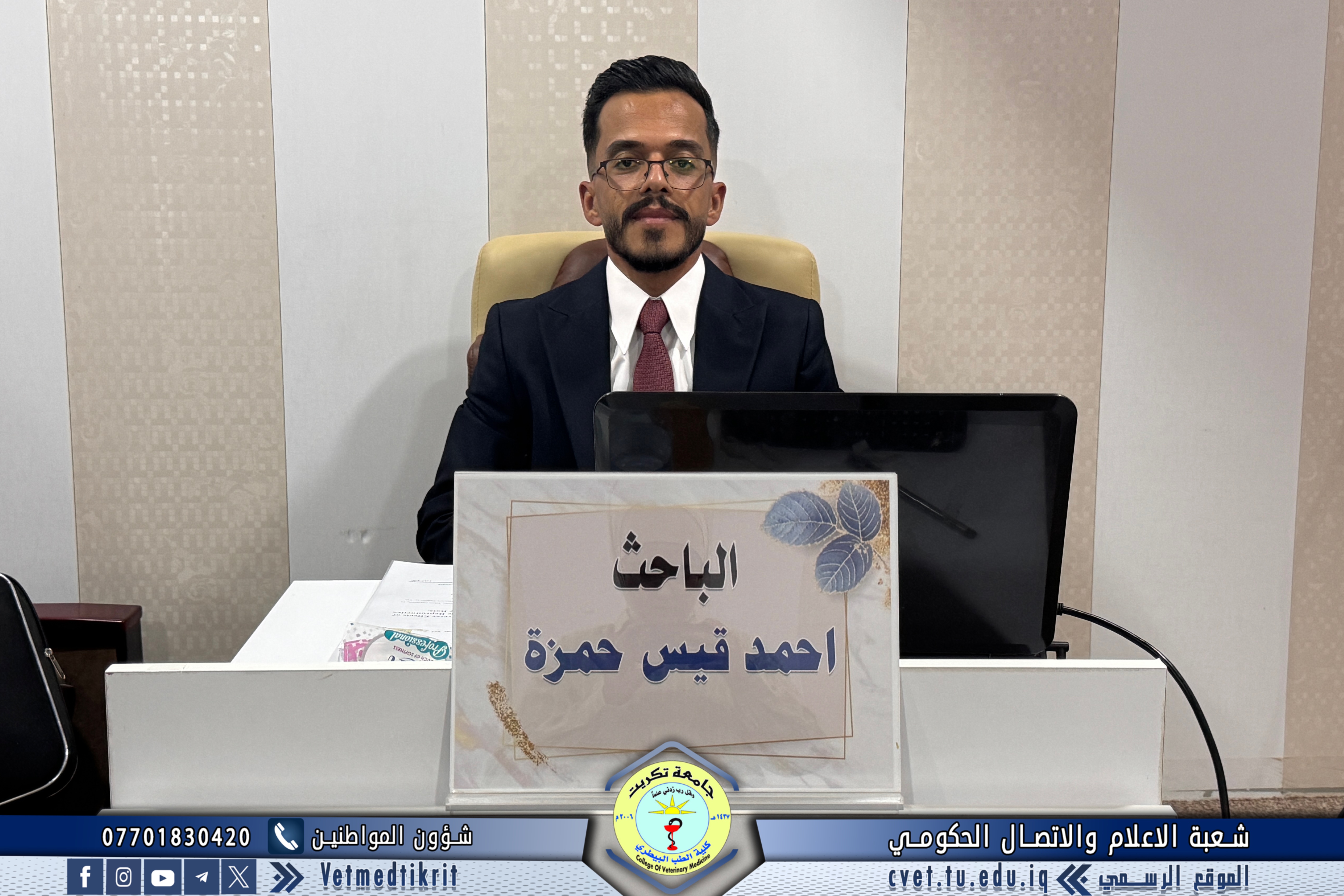
The thesis, entitled “Histological Evaluation of the Stomach and Small Intestine Using the Standard Dose of Copper Sulfate in Rats (Feed Additive Dose)”, was submitted by the student Amani Ali Mahmoud Sultan in the field of Veterinary Histology.
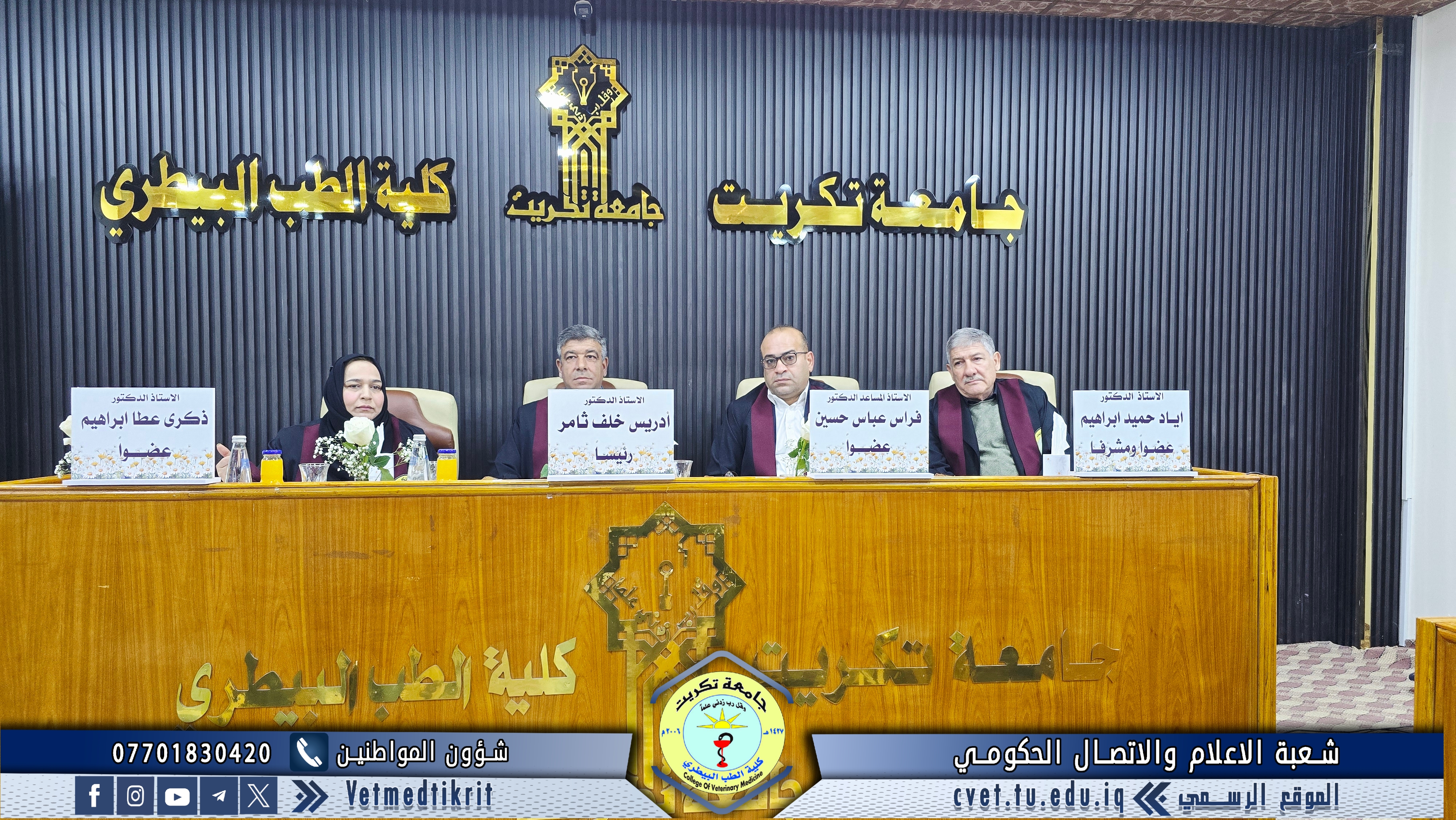
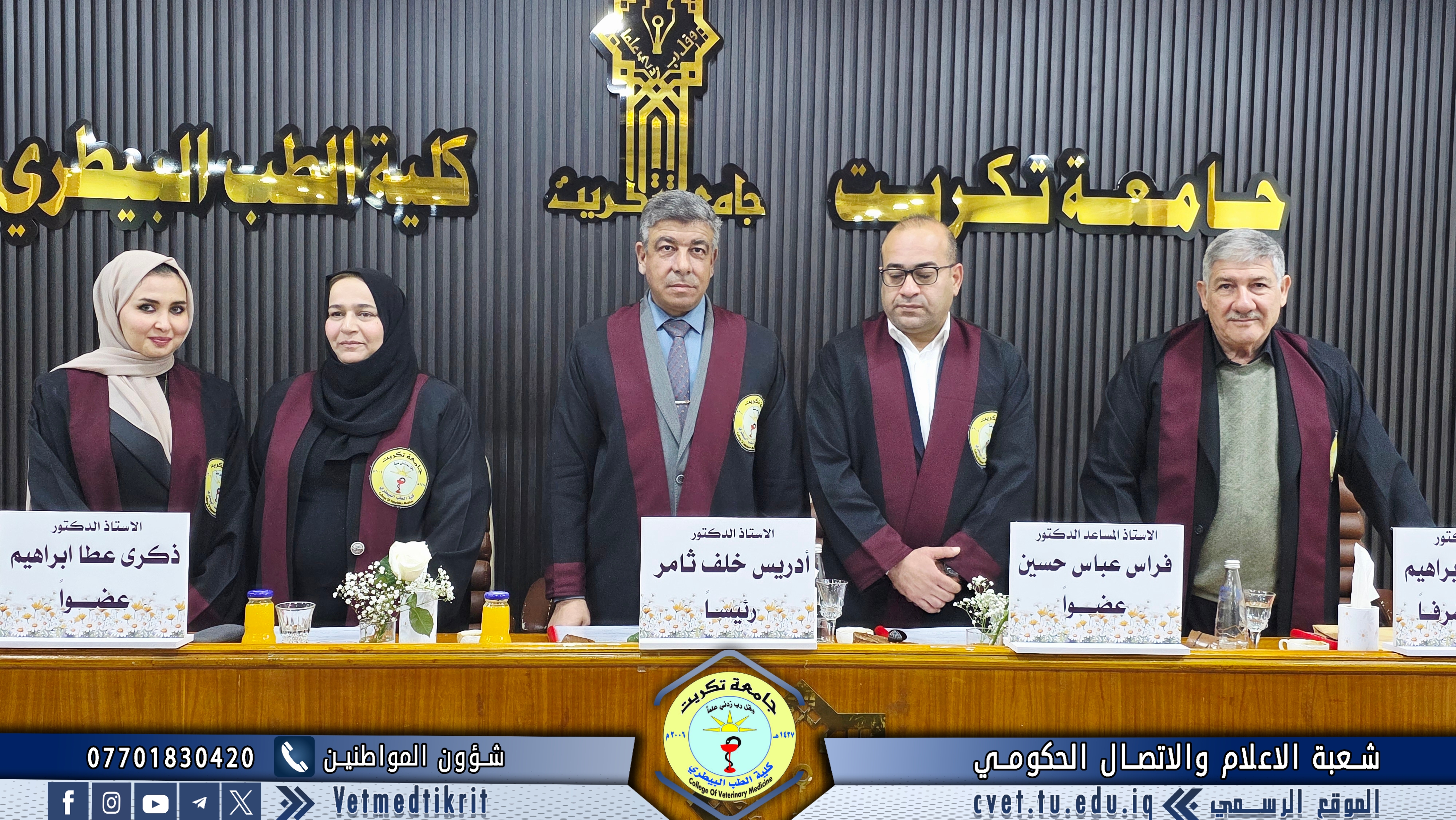
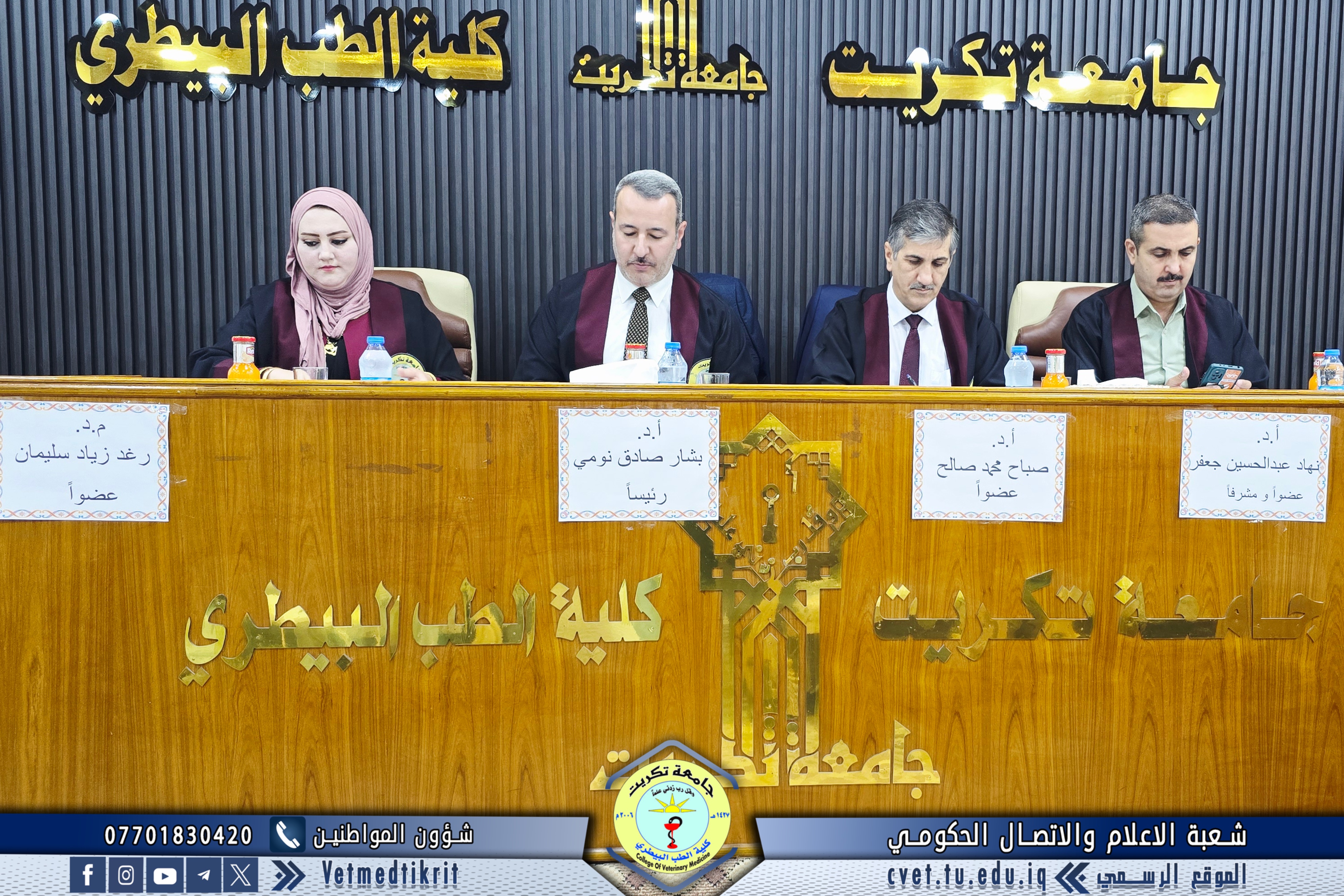
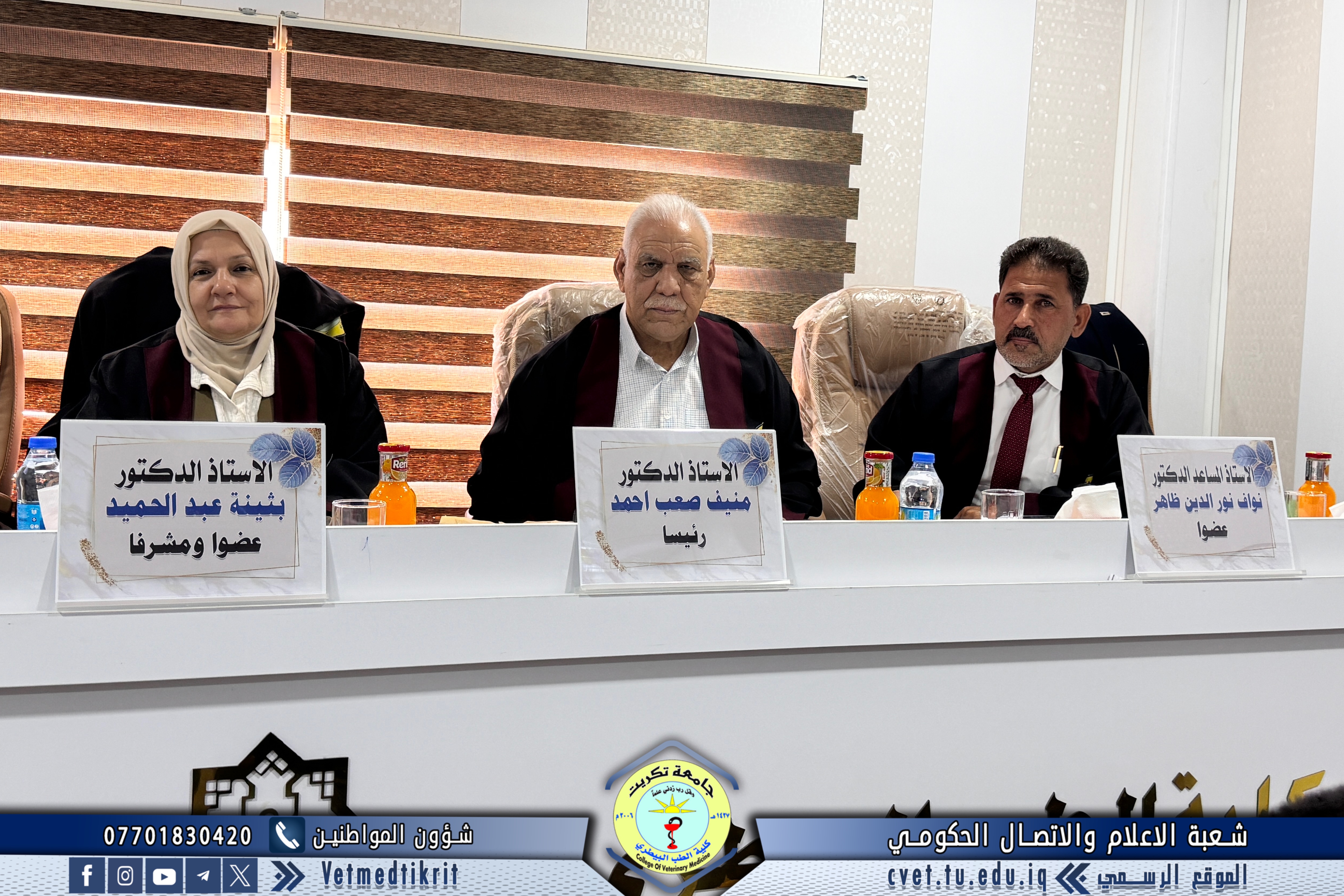
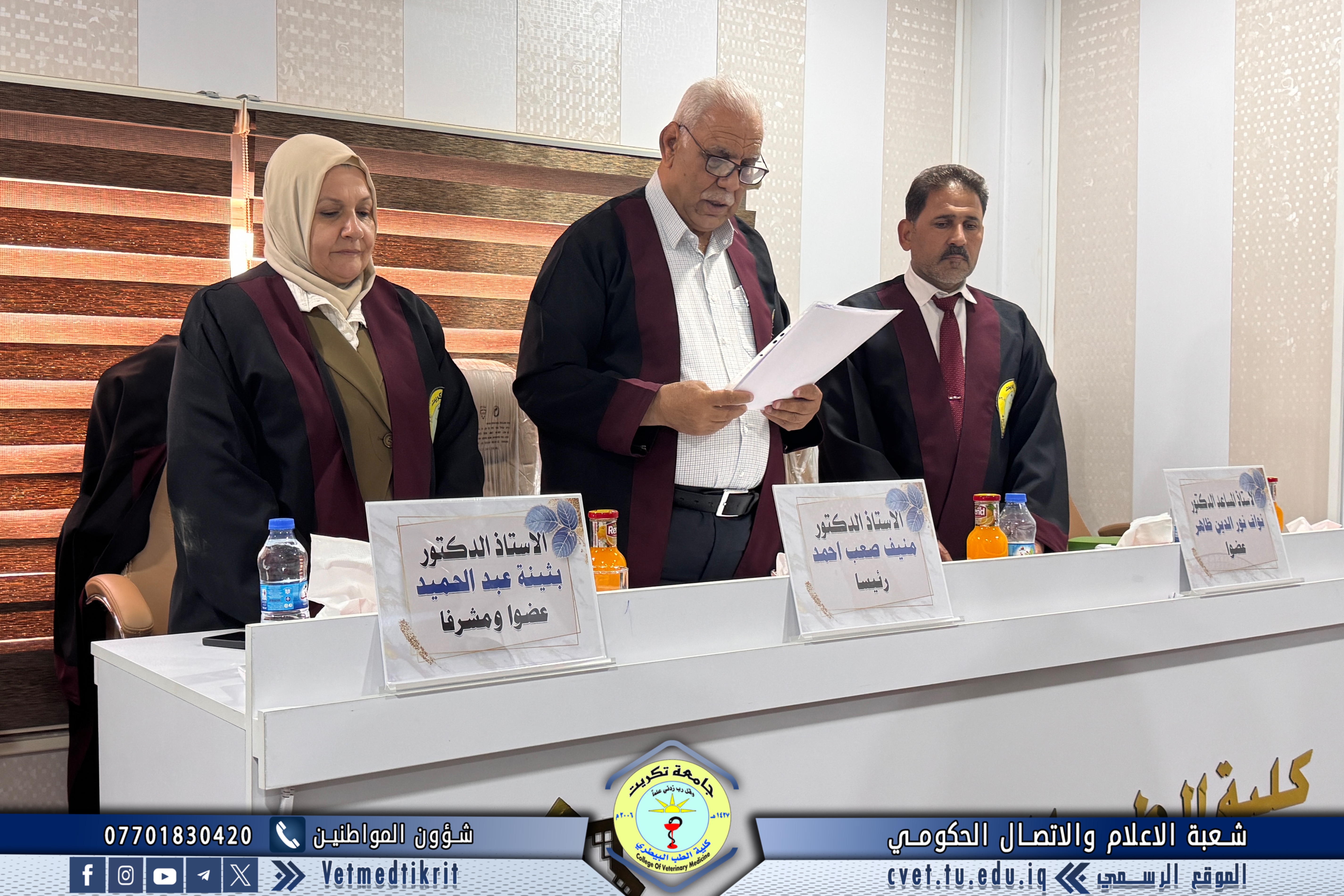
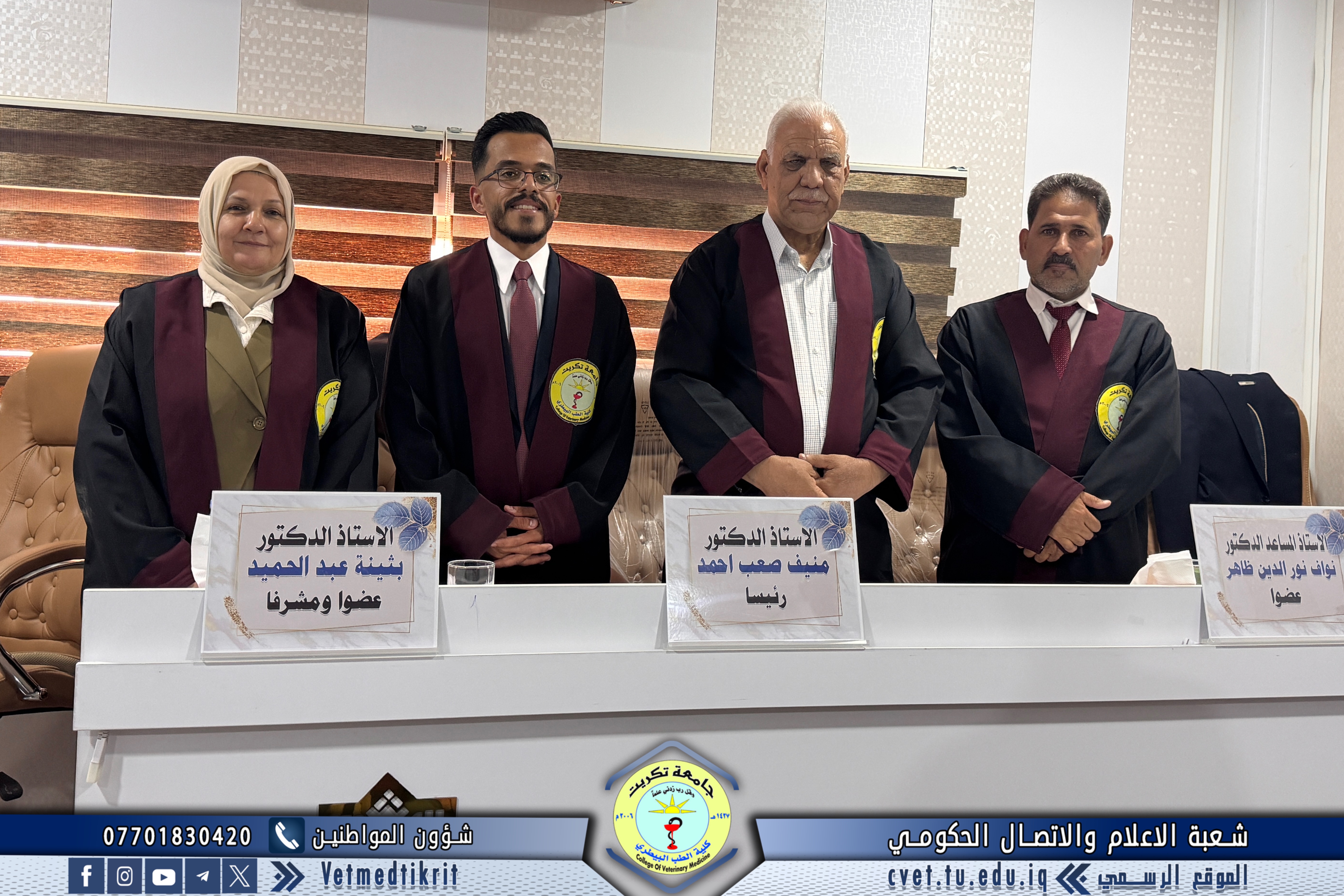
The examination committee consisted of:
-
Professor Dr. Idris Khalaf Thamer / Histology / University of Tikrit – College of Medicine / Chair
-
Professor Dr. Zikra Atta Ibrahim / Histology and Embryology / University of Diyala – College of Education / Member
-
Assistant Professor Dr. Firas Abbas Hussein / Anatomy and Histology / University of Tikrit – College of Veterinary Medicine / Member
-
Professor Dr. Iyad Hamid Ibrahim / Anatomy and Histology / University of Tikrit – College of Veterinary Medicine / Member and Supervisor
The study aimed to determine the histological effects of copper sulfate on the stomach and small intestine and to evaluate the potential toxic effects of this substance on body tissues. The research was conducted in the animal house of the College of Veterinary Medicine during the period from September 1 to October 1, 2024, using 45 male rats aged 8–10 weeks and weighing 120–180 g. The animals were divided into control and copper sulfate groups according to a daily dosing regimen and dosing every three days for different time periods.
The results revealed clear histological changes in the stomach, including degeneration and desquamation of epithelial cells, atrophy of some gastric glands, infiltration of white blood cells, and vascular and pigmentary changes, with severity increasing with longer exposure duration. The findings also demonstrated histological alterations in the small intestine, represented by shortening and atrophy of intestinal villi, loss of columnar epithelial cells, an increase in goblet cells and their mucous droplets, as well as inflammatory cell infiltration, indicating cumulative toxic effects of copper sulfate on the gastrointestinal tract.
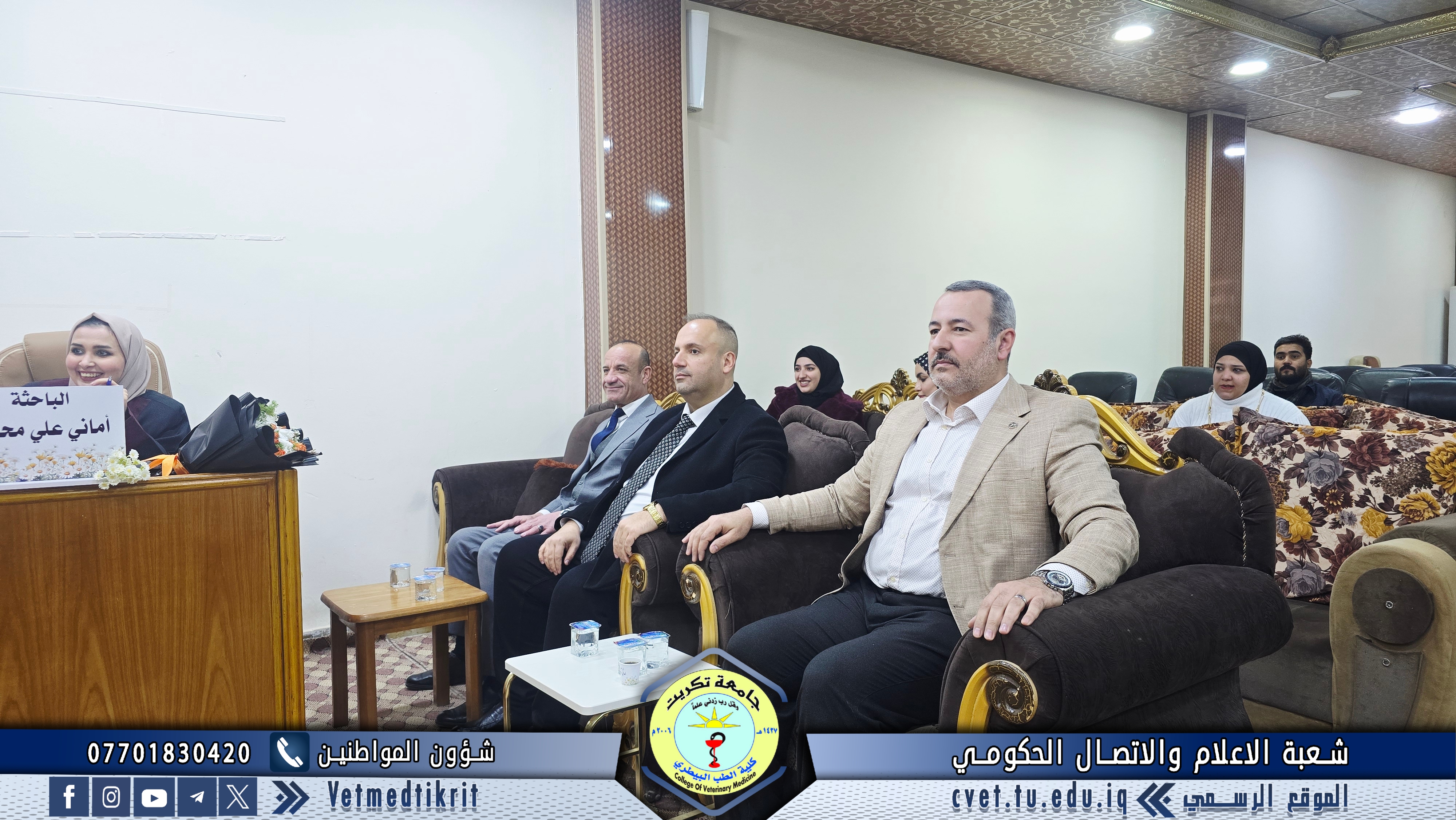
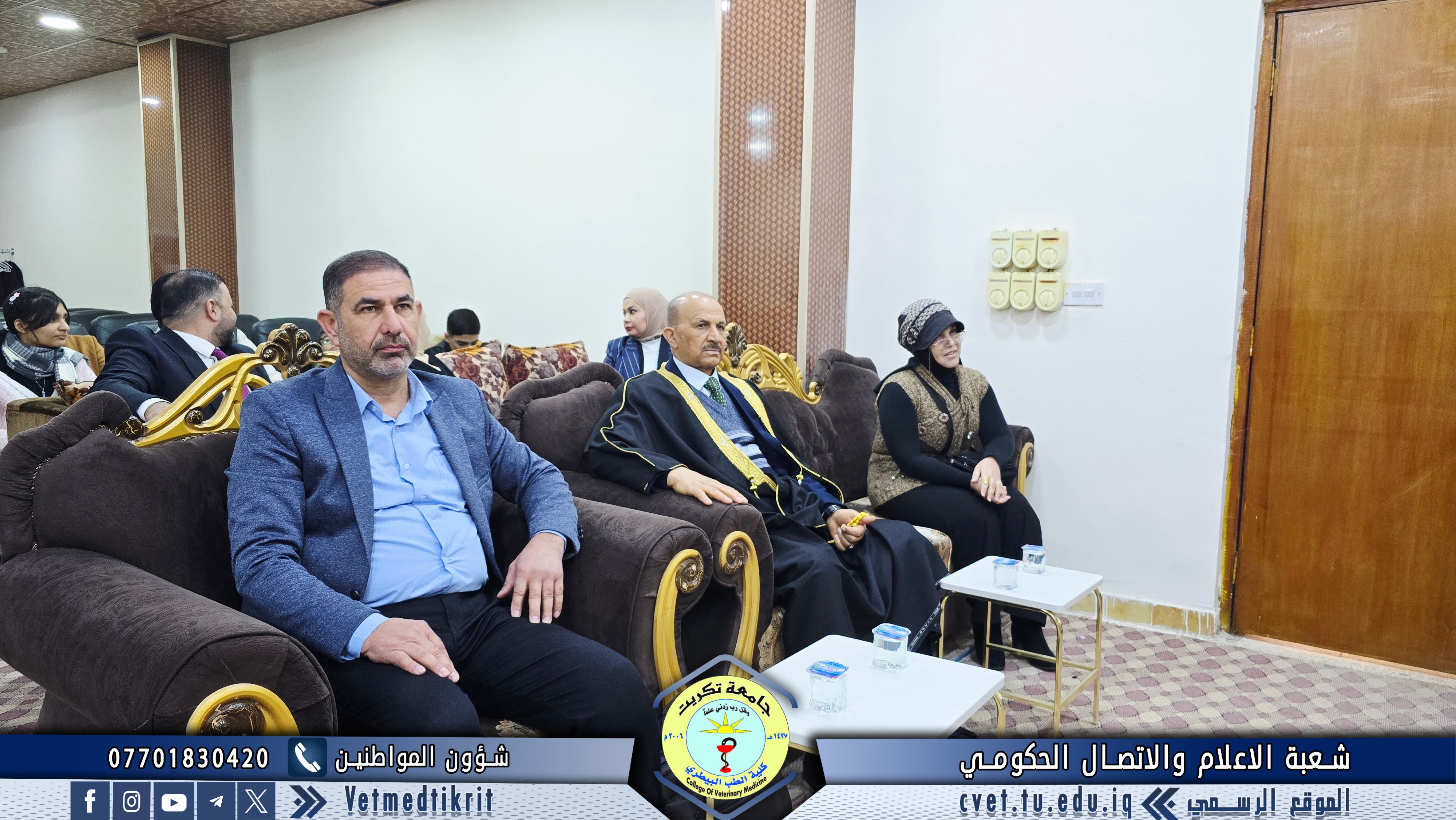
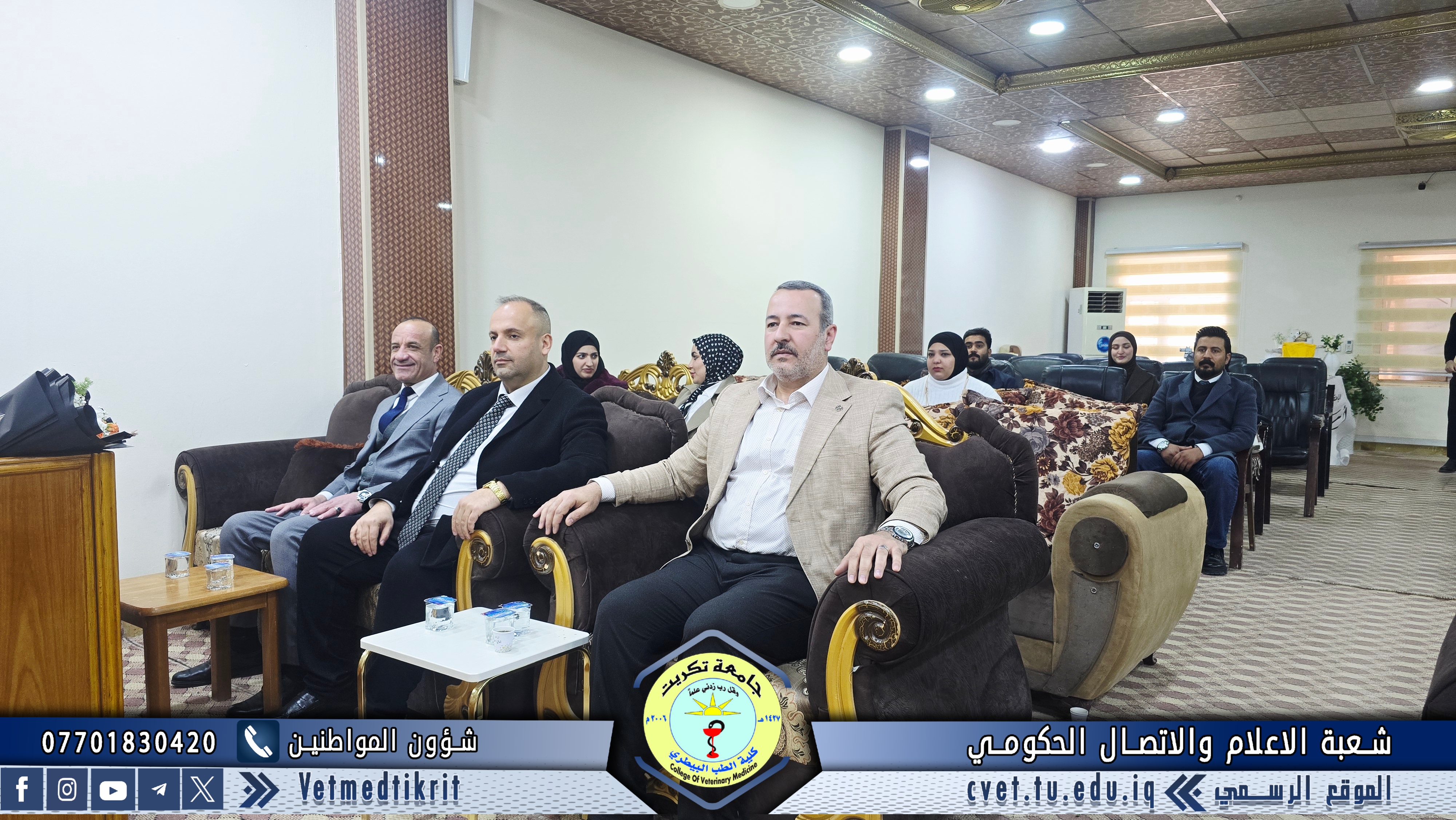
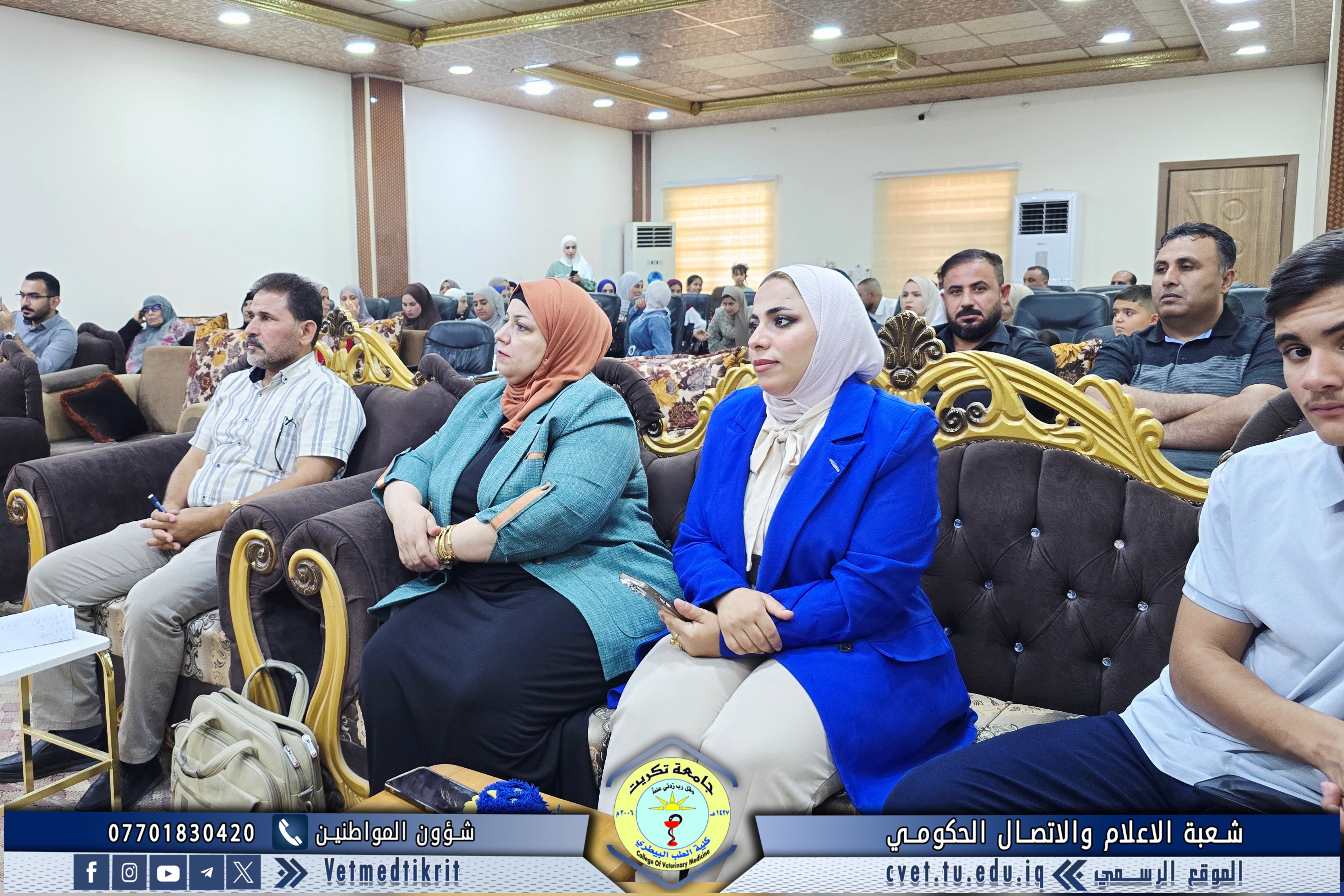
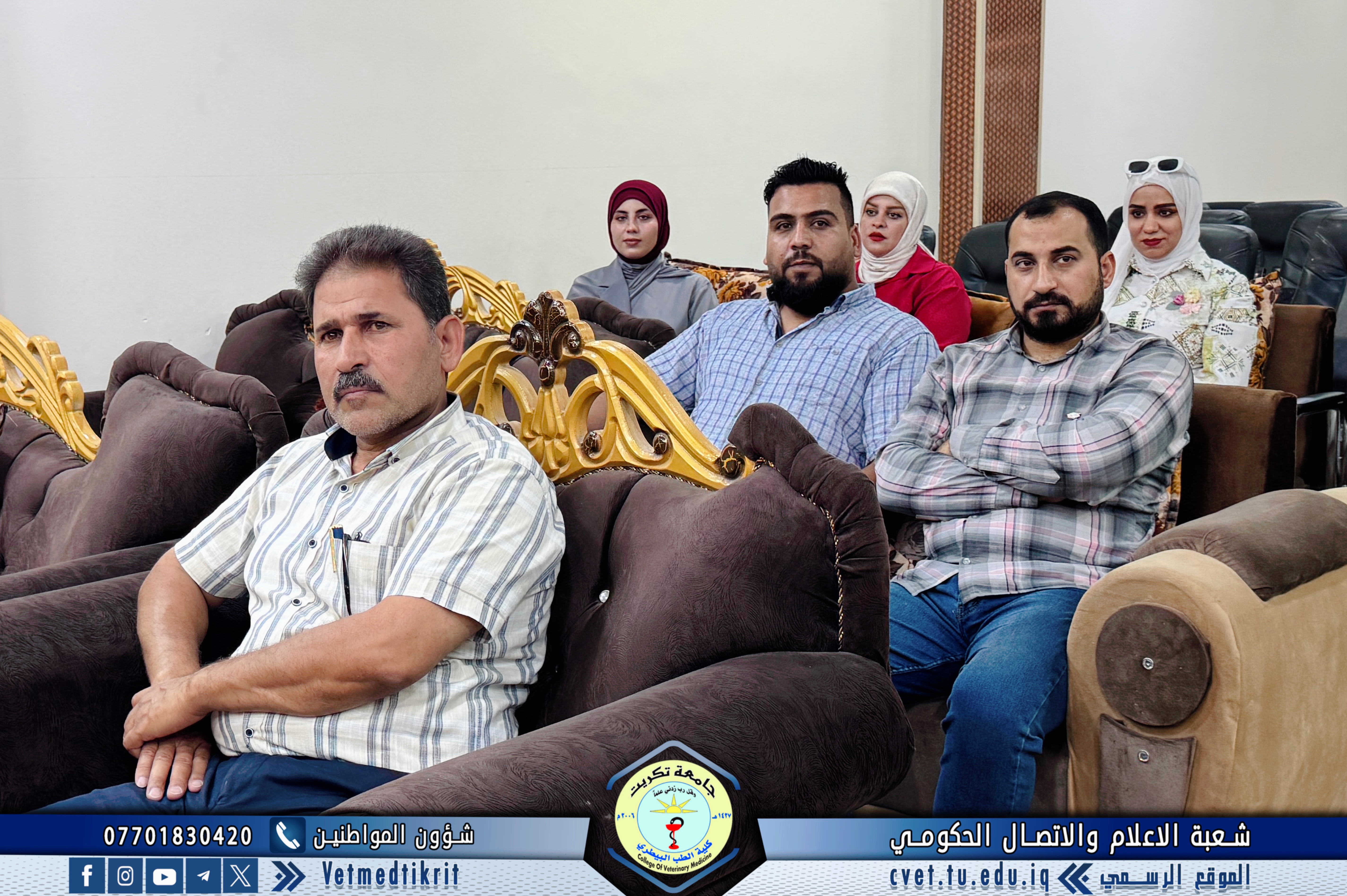
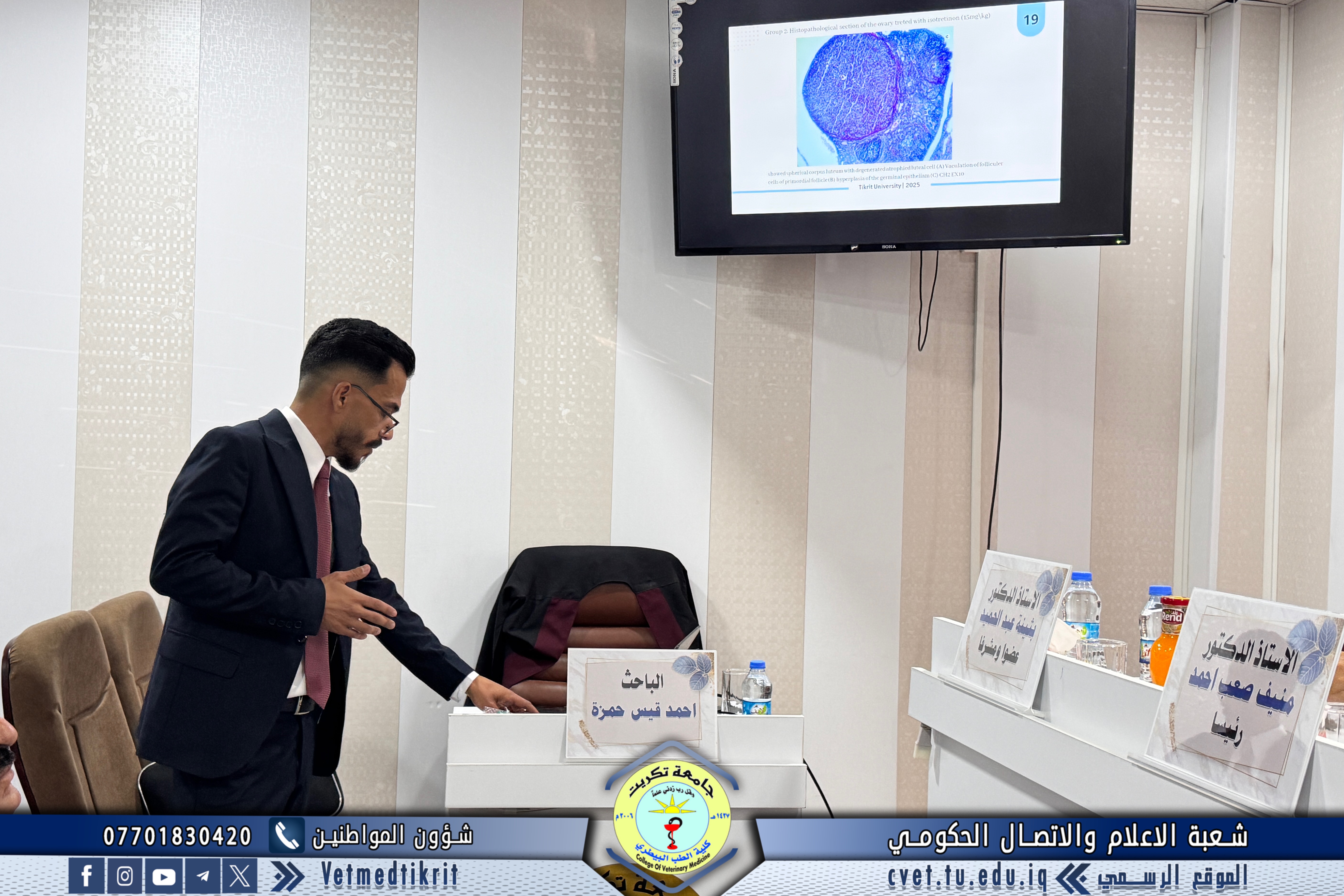
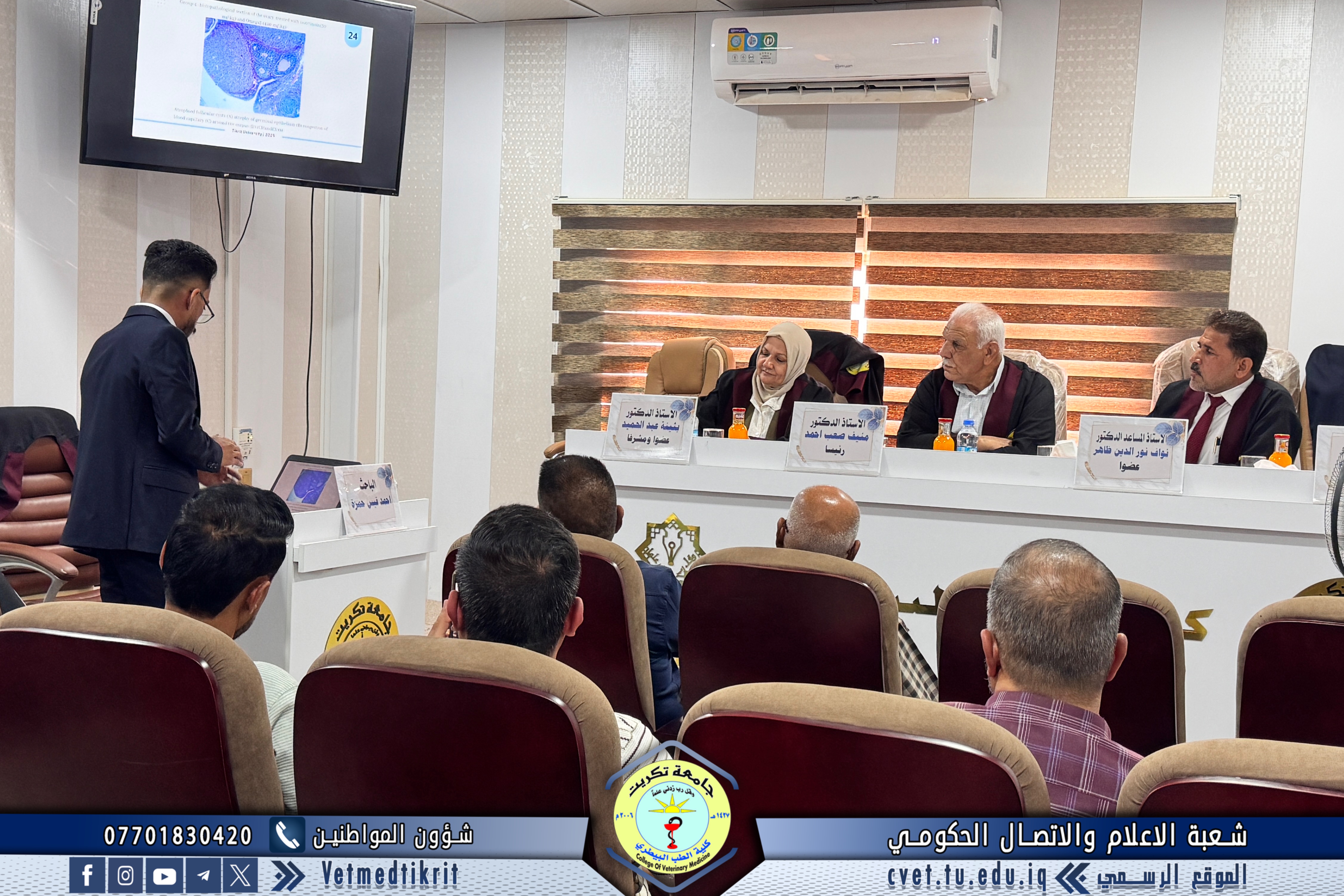
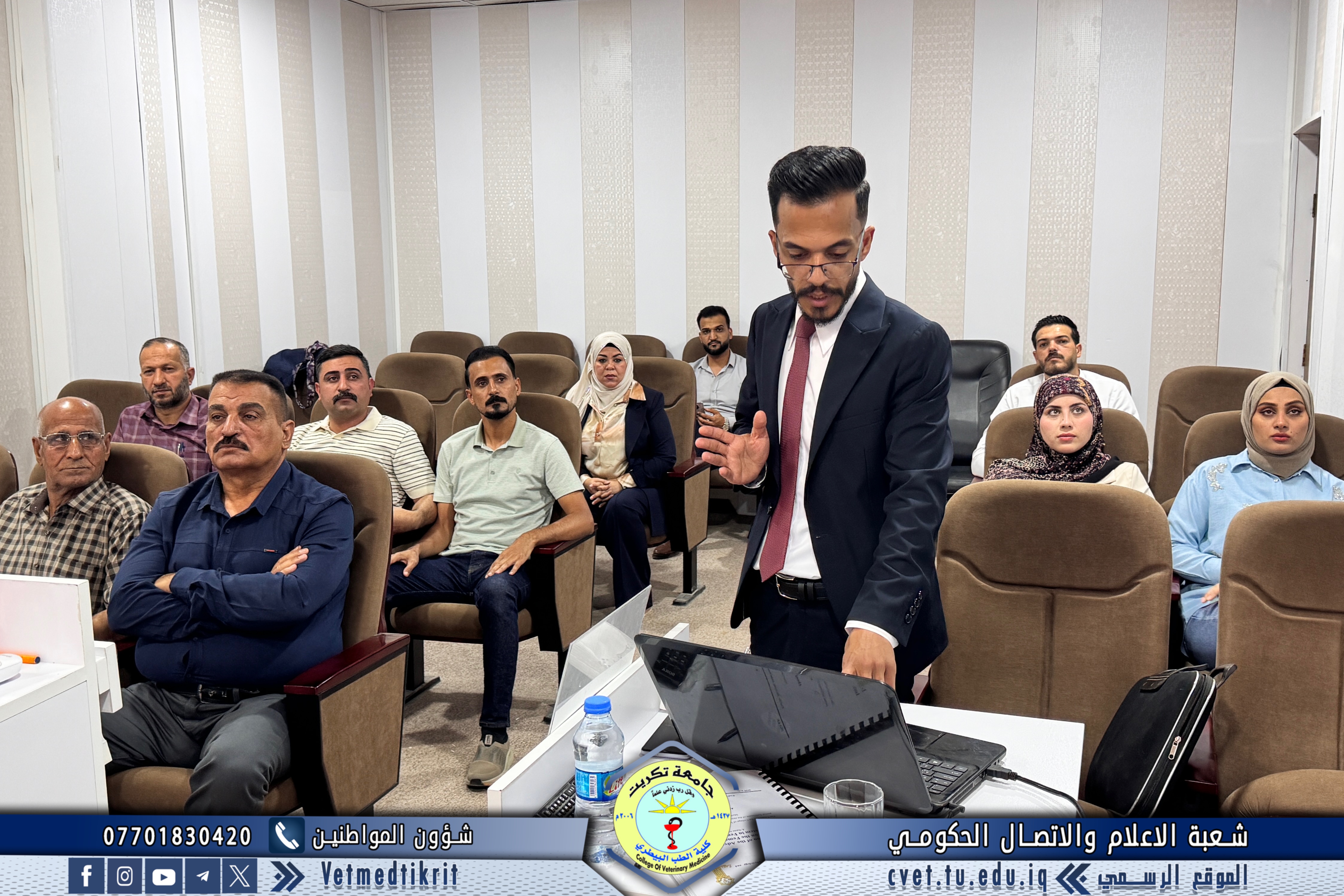
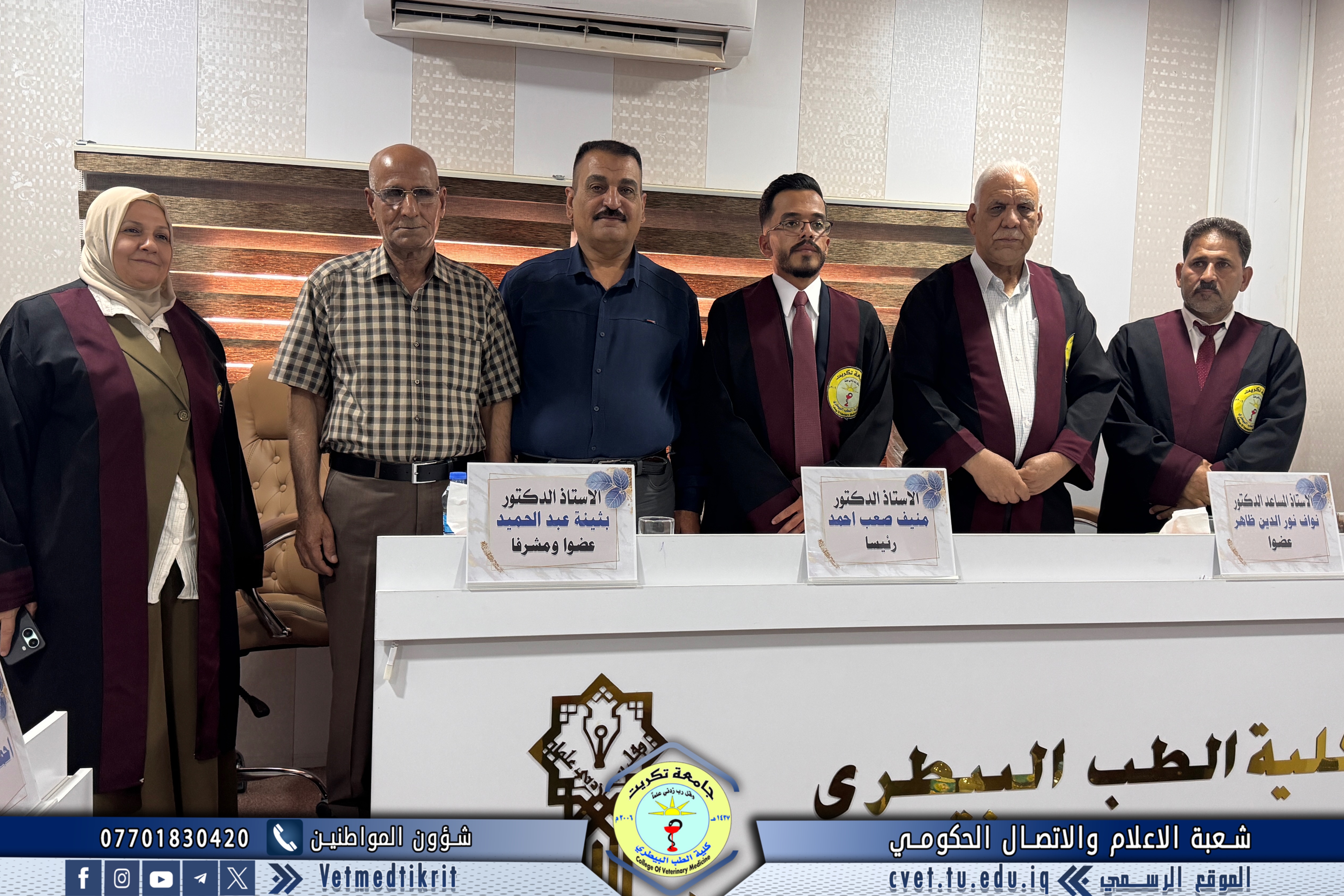
The defense, held in Dr. Muhannad Maher Hall at the College of Veterinary Medicine, was attended by a number of faculty members and students, in a distinguished scientific and academic atmosphere.